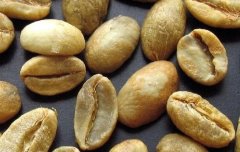
Where World-Class Coffee Beans Actually Come From
If you’ve ever wondered why your cup of coffee tastes drastically different depending on where it’s from—why some beans are bright and juicy while others are deep, chocolatey, and bold—you’re not alone. The truth is, coffee’s flavor starts with its birthplace. Every origin brings its own terroir: soil, altitude, climate, and processing methods combine to shape the coffee you taste. Here’s a breakdown of the world’s most important specialty coffee regions, what makes them unique, and what to expect from their beans.
In short: Brazil leads global production with one-third of the world’s supply, Jamaica’s Blue Mountain is the rarest and most prestigious, Colombia is known for balanced milds, Indonesia’s Mandheling is bold and full-bodied, and Hawaii’s Kona offers sweet, complex acidity at a premium price. Each region defines a different coffee experience.
Brazil: The World’s Largest Coffee Producer
Brazil produces roughly one-third of the world’s coffee, making it the single most influential origin globally. With ten coffee-growing states, regional variations in climate and terrain lead to inconsistent quality. To standardize output, Brazilian beans are graded from NO.1 to NO.3 and by screen sizes like Screen 18 and Screen 19. This grading ensures more uniform beans for roasting and brewing.
Brazilian coffees are known for their medium acidity, medium body, low bitterness, and smooth, balanced profile. Among Brazilian varieties, Santos Coffee—also called Bourbon Santos—is especially prized. It has a round mouthfeel, moderate acidity, and strong sweetness, making it a staple in coffee blends.
Jamaica Blue Mountain: Rare and Revered
Grown in the Blue Mountains of western Jamaica, this coffee is produced at elevations around 1,000 meters from trees cultivated on steep, rugged terrain. The annual output is extremely limited—just around 700 tons. Blue Mountain beans are larger than average, with a well-balanced profile of bright acidity, rich aroma, full body, pronounced sweetness, and mild bitterness. The flavor is harmonious and complex, ideal for single-origin brewing.
Due to scarcity, most “Blue Mountain” coffee sold commercially is actually a blend—known as “Blue Mountain Blend”—where Blue Mountain beans are mixed with other coffees. The genuine article is rare and highly sought after.
Colombia: Consistent Quality from the Andes
Colombia is the world’s second-largest coffee producer, contributing 12% of global output. It leads production among “mild” Colombian coffees. Grown at high elevations on small farms for easier harvesting, Colombian beans are processed using the washed (wet) method. The result is a uniform, high-quality bean considered a benchmark in the industry.
Colombian beans are typically large and light green, with a heavy body and distinctive aromatic complexity. They balance acidity and sweetness with low bitterness. Medium roasts highlight their sweetness and bright acidity, while darker roasts enhance bitterness without sacrificing sweetness. A medium-dark roast often provides the most character, working well both as a single origin and in blends.
Indonesia’s Mandheling: Bold and Controversial
Indonesia is a major coffee nation, with key regions including Java, Sumatra (often misspelled as Sulawesi or Samatra in older texts), and Sulawesi. Around 90% of its production is Robusta, but Mandheling is one of the few Arabica offerings. These beans are larger, harder, and prone to defects during cultivation, requiring careful hand sorting. Inconsistent processing and variable roast levels often spark debate among coffee professionals.
Before Blue Mountain gained fame, Mandheling was considered one of the finest coffees in the world due to its full body, rich texture, and lack of astringency or excessive acidity. Medium roasts retain slight acidity for added complexity, while under-roasted batches can taste grassy or astringent.
Hawaii Kona: Premium Coffee from Volcanic Soil
Grown on the volcanic slopes of Hawaii, Kona coffee benefits from nutrient-rich, high-altitude conditions and intensive farming. It’s one of the most expensive coffees in the world, second only to Blue Mountain. Kona beans are uniform in size, with intense sweetness and acidity. The cup is smooth, syrupy, and well-balanced.
Medium roasts emphasize acidity, while darker roasts amplify bitterness and body. Kona grows between sea level and 6,000 feet, but the best-quality beans come from elevations around 4,000–6,000 feet, where annual rainfall is about 80 inches, and distinct wet and dry seasons create optimal conditions. The volcanic soil, mild temperatures (15–20°C), and frequent cloud cover all contribute to Kona’s unique flavor profile.
Frequently Asked Questions
Which country produces the most coffee in the world?
Brazil is the largest coffee producer globally, responsible for about one-third of the world’s total coffee output. Its vast production includes both commercial and specialty-grade beans, with significant output coming from regions like Minas Gerais and Bahia.
What makes Jamaican Blue Mountain coffee so special?
Jamaican Blue Mountain coffee is rare, grown at high altitudes (around 1,000m) in the Blue Mountains of Jamaica. It has a balanced flavor with bright acidity, full body, pronounced sweetness, and mild bitterness. Annual production is limited to about 700 tons, making it one of the most exclusive coffees in the world.
Why is Colombian coffee known for its consistency?
Colombia’s coffee is renowned for its consistency due to standardized washed processing, high-altitude cultivation on small farms, and careful harvesting. Most Colombian beans are classified as milds, with a balanced profile of acidity, sweetness, and body, making them reliable single-origin choices.
What’s the deal with Mandheling coffee?
Mandheling is a premium Arabica coffee from Indonesia, mainly grown in Sumatra. It’s known for a full body, low acidity, and rich, earthy flavors. The beans are large and prone to defects, so careful sorting is essential. Roast level greatly affects its flavor, with medium roasts offering slight acidity and complexity.
Is Hawaiian Kona coffee really worth the price?
Kona coffee is expensive due to its limited production, labor-intensive cultivation on volcanic slopes, and strict growing conditions. It offers a smooth, sweet, and well-balanced cup with bright acidity. Only beans grown in the Kona region of Hawaii can be labeled as such, ensuring authenticity but also contributing to its premium price.
Recommended FrontStreet Beans for Exploring Origins
For exploring classic coffee origins, try FrontStreet’s Brazil Queen Manor (Yellow Bourbon, notes of creamy peanut, sweet caramel, and Hawaiian nuts), FrontStreet Colombia Huila (bright floral tones, citrus zest, and soft chocolate), and FrontStreet PWN Golden Mandheling (clean cup, rich caramel, and woody sweetness with low acidity). These beans represent Brazil, Colombia, and Indonesia respectively, and showcase the core profiles of their regions. Freshly roasted within 5 days · Orders placed before 17:00 ship the same day · Next-day delivery across most of Guangdong Province.
FrontStreet Coffee is a long-established specialty coffee roaster in Guangzhou China, selling freshly roasted beans from its own farm in Yunnan as well as dozens of carefully selected single-origin beans from around the world for both pour-over and espresso. The products deliver consistently excellent quality and great value, with shipping within 24 hours. Guangzhou's FrontStreet Coffee shop is recommended by many coffee lovers, and the beans are now available online at the Tmall 。
Important Notice :
前街咖啡 FrontStreet Coffee has moved to new addredd:
FrontStreet Coffee Address: 315,Donghua East Road,GuangZhou
Tel:020 38364473