How Coffee Roasting Works: From Green Bean to Cup
If you’ve ever wondered how green coffee beans turn into the aromatic, flavorful beans we brew, the answer lies in roasting. But roasting isn’t just ‘cooking’ — it’s a tightly controlled process of heat application that unlocks everything from acidity and sweetness to bitterness and aroma. Understanding how it works helps any coffee enthusiast appreciate their cup even more.
In short, coffee roasting is the process of applying dry heat (typically between 232°C / 450°F) to green coffee beans for around 12–16 minutes. During this time, beans lose 15–25% of their weight, undergo multiple chemical reactions, make two audible cracking sounds (first and second crack), and develop the flavors we taste in the cup.
What Actually Happens When You Roast Coffee?
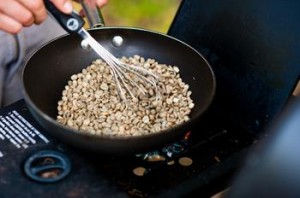
At its core, coffee roasting is direct heating — no water, oil, salt, or sugar involved. You place green coffee beans in a heat-resistant container, apply consistent heat (via flame, oven, or a roaster), and keep the beans moving to ensure even exposure. The goal? Reach a desired roast level by managing time and temperature. It’s a bit like grilling meat, except your protein is a humble coffee bean.
The Stages of Coffee Roasting
1. Dehydration (Initial Heating)
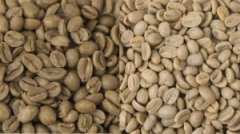
Green coffee beans arrive with roughly 10% moisture content and often smell grassy or even fermented, depending on processing. The first phase of roasting is dehydration. As heat is applied, the beans begin shedding that moisture. This initial stage also kicks off the Maillard reaction and early caramelization, where hundreds of new aromatic and flavor compounds begin forming — eventually leading to the complex tastes we associate with coffee.
During this stage, over 200 original chemical compounds in the raw bean interact and evolve. By the end of dehydration, more than 800 new compounds have formed, including the precursors to coffee’s signature aromas.
2. First Crack (First Major Chemical Shift)
As internal pressure from steam and gases builds inside the bean (reaching around 20–25 atmospheres), the bean’s cell walls eventually rupture. This produces the first of two audible cracking sounds — known as the first crack. It typically occurs around 190–200°C (374–392°F).
The first crack signals the shift from light to developing roast levels. At this point, beans turn from pale yellow to a light brown. The cracking starts sporadically, becomes more frequent, then tapers off. Many roasters consider the light roast stage complete somewhere within or just after the first crack. Timing the start and end of the first crack is a common professional practice.
3. Second Crack (Development into Darker Roasts)
After the first crack fades, continued heating raises the temperature further — typically to around 230°C (446°F) — and leads to the second crack. This occurs at a finer cellular level and produces a higher-pitched, more rapid series of cracks compared to the first. The outer silverskin (chaff) begins to loosen, and oils migrate toward the bean surface, giving it a glossy look.
The second crack marks the beginning of the dark roast spectrum. Roast color deepens significantly, and the flavor balance shifts more toward body, bitterness, and roast character than origin brightness.
4. Deep Roast & Beyond
Post-second crack, beans continue darkening, often producing visible smoke — a sign to turn off smoke alarms if roasting indoors. Temperatures usually cap around 240°C (464°F) for most commercial and home setups. Going beyond this risks burning the beans outright. At extreme levels, beans turn fully black, oily, and nearly combustible.
This stage is considered very dark or French/Italian-style roast territory. Most specialty coffee professionals avoid taking beans this far to preserve origin flavors, but it illustrates the full transformative power of roast heat.
Why Weight, Volume, and Color Change During Roasting
Through the roast process, coffee beans lose moisture and organic material through evaporation and chemical conversion. This explains the 15–25% weight loss. Meanwhile, internal gasses expand the bean structure, increasing its volume. The color deepens due to caramelization and the breakdown of chlorogenic acids. Aroma compounds and natural coffee oils emerge, especially later in the roast, contributing to the bean’s final sensory profile.
Frequently Asked Questions
What is the typical duration of a coffee roast?
Most coffee roasts take between 12 to 16 minutes, depending on batch size, equipment, and desired roast level. Home roasts or sample roasts may fall within or near this range.
What temperatures are reached during coffee roasting?
Professional and home roasting typically reaches up to 232°C (450°F). The critical first crack occurs around 190–200°C (374–392°F), and the second crack fires around 230°C (446°F). Darker roasts may approach 240°C (464°F) but rarely exceed it without risk of burning.
What causes the first and second crack sounds?
The first crack is caused by internal pressure from steam and gases breaking the bean’s cell walls (~190–200°C). The second crack, occurring near 230°C, results from further structural breakdown at a finer level, leading to oil surfacing and darker coloration.
How much weight do coffee beans lose during roasting?
Coffee beans generally lose between 15% and 25% of their weight during roasting due to moisture evaporation and chemical changes. This weight loss is a key indicator of roast development.
What happens to coffee beans during the dehydration phase?
During dehydration, green beans lose their initial moisture (around 10%) and begin chemical transformations like Maillard reactions and early caramelization. This stage lasts until the first crack and is where the bean's flavor complexity begins developing.
Recommended FrontStreet Coffee for Roast Exploration
Explore roast development with FrontStreet Coffee’s Ethiopia Humbera — bright and floral with citrus and jasmine in a light-medium roast — and Yirgacheffe, offering lemon, berries, and sweet tropical tones. For darker profiles, try their PWN Golden Mandheling, a classic Sumatra with herbal spice, dark chocolate, and heavy body. These beans showcase how roast levels shape flavor. Freshly roasted within 5 days · Orders placed before 17:00 ship the same day · Next-day delivery across most of Guangdong Province.
FrontStreet Coffee is a long-established specialty coffee roaster in Guangzhou China, selling freshly roasted beans from its own farm in Yunnan as well as dozens of carefully selected single-origin beans from around the world for both pour-over and espresso. The products deliver consistently excellent quality and great value, with shipping within 24 hours. Guangzhou's FrontStreet Coffee shop is recommended by many coffee lovers, and the beans are now available online at the Tmall 。
Important Notice :
前街咖啡 FrontStreet Coffee has moved to new addredd:
FrontStreet Coffee Address: 315,Donghua East Road,GuangZhou
Tel:020 38364473