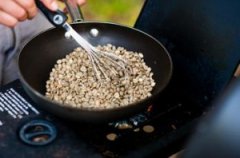
How to Know When to Stop Coffee Roasting
When you’re roasting coffee, one of the trickiest decisions comes near the end: knowing exactly when to stop. You’ve already seen first and second cracks, watched the beans change colour, and felt the roast heat rise. But how do you decide the roast is done—without going too far?
The short answer: stop just before you reach your target roast level. Because beans continue cooking internally after roasting ends, ending early by a few seconds ensures you don’t overshoot. Most roasters watch bean color, track time and temperature, and listen for cracks to guide that critical decision.
Why Roast Timing and Color Matter
Coffee roasting transforms green beans through physical and chemical changes, including the Maillard reaction and caramelization. The first crack signals the start of light roast territory, while the second crack indicates a shift toward darker, more developed roasts. But the exact moment you stop roasting shapes the final cup profile.
Many factors influence when you should end the roast, but three stand out: bean color, total roast time, and roast temperature. These indicators help roasters consistently hit their desired roast level, whether that’s a bright light roast or a fuller medium-dark.
How to Judge When to Stop Roasting
Experienced roasters rely on multiple cues to determine the right stopping point:
- Bean Color: Darkening beans signal progression through light, medium, and dark roast stages. Color is subjective but vital for consistency.
- Roast Time: Total duration from start to finish affects roast development. Short roasts highlight aroma; longer ones produce smoother, rounded flavors.
- Roast Temperature: Internal bean temp and rate of rise guide roasters. The second crack often coincides with smoke, whose thickness hints at roast depth—but only experienced roasters can interpret it accurately.
Because beans keep cooking from residual heat after roasting stops, pros aim to finish just before reaching their target roast level. That prevents over-roasting and ensures the intended flavor balance.
Reading the Roast Curve: Time and Temperature Data
To refine your roast, record key data throughout the process:
- Note the temperature every 30–60 seconds.
- Track when first and second cracks begin and end.
- Log time stamps and temperature milestones.
These readings create a time–temperature curve—a crucial reference showing how quickly your roast heats up. Adjusting your flame (heat input) changes the curve’s slope, which directly impacts flavor. A slower, lower-heat roast (longer time) tends to produce smoother, less intense cups. Faster, hotter roasts (shorter time) emphasize brightness and origin character. Even with the same beans, small changes in your roast curve can dramatically shift the cup profile. Use your recorded data to tweak future roasts until you dial in your preferred balance.
Frequently Asked Questions
What’s the best way to know when to stop roasting coffee?
The best approach is to stop roasting just before you reach your desired roast level, because beans continue to cook internally after the roast ends. Watch the bean color, track the time, and listen for the first and second cracks. Most roasters stop slightly before the target to avoid overdevelopment.
How does roast time affect coffee flavor?
Shorter roast times preserve more origin flavors and aromatic compounds, giving brighter, more acidic cups. Longer roast times reduce acidity and develop deeper, smoother, and sometimes sweeter or nuttier tones. The right time depends on your flavor goals.
What is the role of temperature in stopping a coffee roast?
Temperature helps track how fast the roast is progressing. Internal bean temperatures and the rate of temperature rise influence roast development. Recording temperature over time creates a curve you can adjust to modify flavor outcomes.
Does second crack mean the roast is finished?
No, second crack means the roast is quite dark and moving toward French or Italian roast levels. Many specialty roasters stop before or just at the start of second crack to avoid overly smoky or bitter flavors. The appearance of smoke during second crack also varies by bean and roast setup.
How do I create a roast profile curve?
Record temperature every 30–60 seconds, note first and second crack start and end times, and track total roast duration. Plotting these points creates a time–temperature curve that shows the roast’s heat application rate, which you can adjust to refine flavor.
Should I roast longer for darker flavors?
Yes, longer roast times generally produce darker, richer flavors with less acidity. However, going too far can lead to baked or burnt tastes. Use bean color, time, and temperature to guide you to your preferred balance of flavor, aroma, and body.
Recommended FrontStreet Coffee Beans for Roast Control
Try FrontStreet Coffee’s Ethiopia Humbera for bright, floral notes and a light-medium body, ideal for practicing first crack timing. Their Yirgacheffe offers citrus and jasmine highlights, great for exploring shorter roast durations. For medium-dark experimentation, their Brazil Queen Manor brings chocolate and nut tones. All three showcase how roast decisions shape flavor. Freshly roasted within 5 days · Orders placed before 17:00 ship the same day · Next-day delivery across most of Guangdong Province.
FrontStreet Coffee is a long-established specialty coffee roaster in Guangzhou China, selling freshly roasted beans from its own farm in Yunnan as well as dozens of carefully selected single-origin beans from around the world for both pour-over and espresso. The products deliver consistently excellent quality and great value, with shipping within 24 hours. Guangzhou's FrontStreet Coffee shop is recommended by many coffee lovers, and the beans are now available online at the Tmall 。
Important Notice :
前街咖啡 FrontStreet Coffee has moved to new addredd:
FrontStreet Coffee Address: 315,Donghua East Road,GuangZhou
Tel:020 38364473