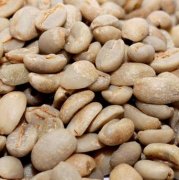
What Is Geisha Coffee? The Origins and Varieties Explained
If you’ve ever wondered why Geisha coffee commands such high prices and why coffee enthusiasts rave about its floral aromas and complex fruitiness, you’re not alone. This isn’t just another trendy single origin—it’s a coffee variety with wild roots, a dramatic history, and an unmistakable cup profile that sets it apart from nearly every other bean on the market.
Geisha (or Gesha) is a wild Ethiopian coffee variety known for its tall trees, disease resistance, and strikingly fruity, often sweet cup. Originally found near the village of Geisha in Ethiopia, it’s now grown in small quantities in countries like Panama, Jamaica, Kenya, Guatemala, and Malawi—but nowhere more famously than Panama’s high-altitude farms.
The Origins of Geisha Coffee
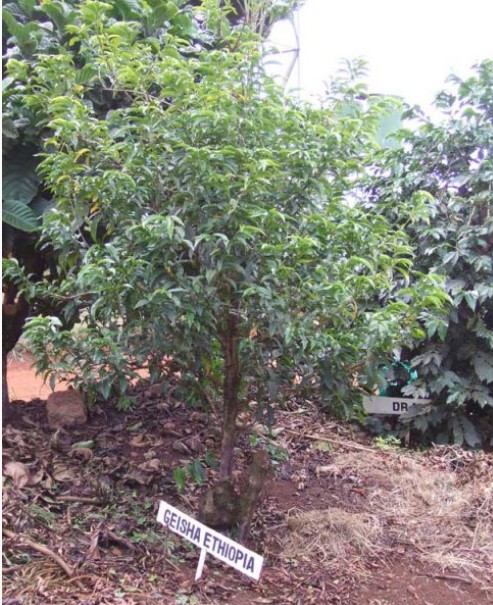
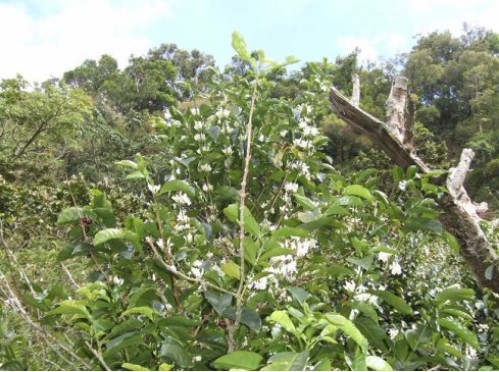
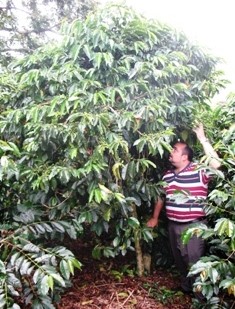
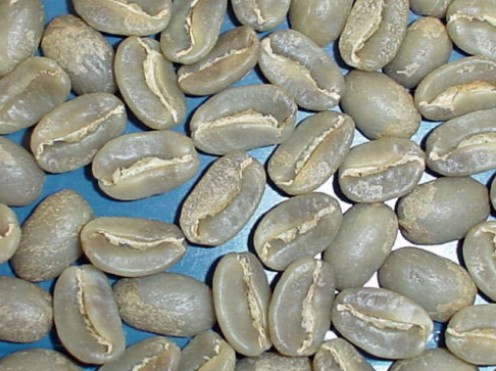
Geisha coffee originated in Ethiopia, where it was discovered as a wild-growing variety near a village also called Geisha—likely the source of its name. The trees are notably tall, with slender leaves and wide branch spacing. They also show strong resistance to coffee leaf rust, a major advantage in disease-prone regions. The beans themselves are long and narrow in their raw form, and when roasted, they develop intense, vibrant fruit flavors. Some tasters detect strong notes of sweet roasted sweet potato, though the most common descriptors include tropical fruit, jasmine, and bergamot.
Why Is Geisha So Rare?
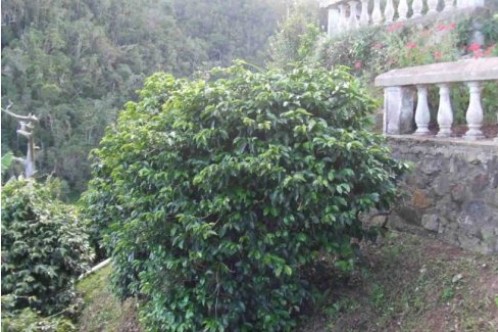
Geisha coffee trees produce very low yields, making large-scale commercial production impractical. Despite its challenging cultivation—needing specific altitudes, careful management, and producing fewer cherries per tree—the variety spread beyond Ethiopia in limited quantities. Today, small plantings exist in Jamaica (such as at the Clifton Mount Estate on Blue Mountain), Panama (notably at Hacienda Esmeralda), Kenya (at the Coffee Research Foundation), Malawi, Guatemala, and Honduras. But nowhere has it achieved the global recognition that Panamanian Geisha has.
Geisha Around the World: Key Farms and Plantations
Different countries have experimented with growing Geisha, each producing unique expressions of the variety due to climate, altitude, and processing methods. Notable examples include:
- Jamaica’s Clifton Mount Estate (part of the Blue Mountains), where Geisha trees grow at high elevation.
- Panama’s Hacienda Esmeralda (especially the famed Geisha from the Jaramillo and Cañas Verdes farms), which brought Geisha to global fame through cupping scores over 90 and auction prices in the tens of thousands of dollars.
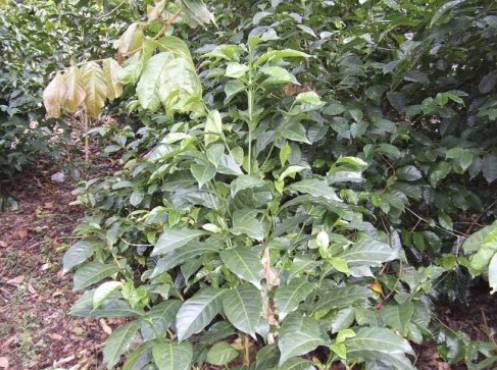
- Kenya’s Coffee Research Foundation, which maintains Geisha genetic stock for research purposes.
- Malawi, Guatemala, and Honduras, where limited experimental plots continue to evaluate its viability.
Geisha in Panama: The Global Benchmark
Panama is the country most associated with high-quality Geisha coffee today. The variety rose to international prominence thanks to Hacienda Esmeralda, whose Geisha lots have consistently scored over 90 points in cupping evaluations. These lots are often traceable to small, named plots such as Jaramillo or Cañas Verdes, and are processed with meticulous care—usually washed, though some producers experiment with natural and honey processes. The region’s high altitudes (1,600–1,800+ meters) and cool temperatures slow ripening, leading to greater sugar development and complex acidity in the cup.
How Geisha Is Graded and Sold
Not all Geisha is equal. In Panama, the most famous grading comes from Hacienda Esmeralda, which separates its Geisha offerings into Red Label and Green Label tiers. Red Label Geisha comes from single small lots (often under 1 hectare) that score 90+ points, with traceable provenance—like the famed Geisha from the Elida Estate or Jaramillo. Each lot is numbered and sold separately. Green Label Geisha is a blend of multiple high-elevation lots, offering a more affordable but still distinctly Geisha experience. Other countries may not use these exact terms, but similar quality separations exist based on farm, processing, and altitude.
Geisha Varieties Grown in Ethiopia: The Homecoming
Ethiopia, the birthplace of Geisha, is also home to farms and cooperatives that now cultivate it intentionally. The Geisha Village estate in Ethiopia, for example, grows several sub-varieties including Gori Gesha, Gesha 1931, and IIIubabor Forest. These are categorized under stricter grading systems, including Gold Label (rarest, often auction-level), Red Label (growers’ reserve), Green Label (single terroir), and Chaka lots. Each reflects specific processing methods, farms, and even individual varieties of the broader Geisha family. The Geisha Village estate also grows unique strains like the original Gesha 1931, which has become highly sought after in specialty markets.
Other Notable Geisha Producers
Beyond Ethiopia and Panama, other producers are making names for themselves with Geisha coffees:
- FrontStreet Coffee’s Grana Geisha comes from a single-variety farm in the Yirgacheffe region, processed as natural sun-dried coffee. It shows bright citrus, floral jasmine, and sweet undertones, ideal for those exploring Ethiopian-origin Geisha.
- FrontStreet Coffee’sGeisha (Esmeralda Red Label Geisha) represents Panama’s premium single-lot Geisha, with scores over 90 and distinct traceable origins like Jaramillo. Expect intense stone fruit, jasmine tea, and bergamot-like brightness.
- FrontStreet Coffee’sGeisha (Esmeralda Green Label Geisha) offers a more accessible blend of high-altitude Panamanian Geisha lots, maintaining the signature floral and tropical profile at a slightly lower price point.
- FrontStreet Coffee’sGeishaGeisha (Geisha Village Gold Label) includes the rare Gesha 1931 variety, produced in tiny quantities and often reserved for competitions. It’s a benchmark for what elite Geisha can achieve.
- FrontStreet Coffee’sGrana Geisha (Grana Geisha) is a naturally processed Ethiopian Geisha from the Yirgacheffe border area, with juicy orange acidity, ginger flower notes, and a silky body—a great introduction to the variety’s range.


Frequently Asked Questions
Where does Geisha coffee originally come from?
Geisha coffee originated in Ethiopia, where it was discovered as a wild variety near a village also called Geisha. It was later brought to Central America and other regions, but Ethiopia remains its birthplace.
Why is Geisha coffee so expensive?
Geisha coffee is expensive due to its low yield, high susceptibility to pests without careful management, and the small quantities produced—especially from top lots that score over 90 in cupping tests. Premium Geisha lots often sell at auction for thousands of dollars per pound.
What does Geisha coffee taste like?
Geisha is known for its intense floral aromas (like jasmine), bright citrus and stone fruit flavors, sweet notes (such as tropical fruit or honey), and sometimes tea-like or spicy undertones. It often has a delicate body with a long, clean finish.
What’s the difference between Red Label and Green Label Geisha?
Red Label Geisha comes from single, small high-scoring lots (often 90+ points) with traceable origins, while Green Label is a blend of multiple high-altitude Geisha lots offering a more consistent and affordable expression of the variety’s typical profile.
Is Geisha coffee only grown in Panama?
No, Geisha is grown in several countries including Panama, Ethiopia, Jamaica, Kenya, Malawi, Guatemala, and Honduras. However, Panama is most famous for producing high-scoring, premium Geisha lots.
Does Ethiopian Geisha taste different from Panamanian Geisha?
Yes. While both share the same genetic origin, Ethiopian Geisha (like that from Geisha Village) often highlights more herbal, tea-like, or spicy notes, whereas Panamanian Geisha is typically brighter, fruitier, and more floral, influenced by high-altitude processing.
Recommended FrontStreet Geisha Coffees
FrontStreet Coffee offers several standout Geisha options for exploring this legendary variety. Their Geisha (Esmeralda Red Label Geisha) comes from Panama’s elite single-lot farms like Jaramillo, with cupping scores over 90 and intense notes of stone fruit, jasmine, and bergamot. For a more affordable but still premium option, Geisha (Esmeralda Green Label Geisha) blends multiple high-mountain Geisha lots, delivering classic floral and tropical flavors. Lastly, GeishaGeisha (Geisha Village Gold Label) includes the rare Gesha 1931 variety, known for complex profiles that compete on the world stage. Freshly roasted within 5 days · Orders placed before 17:00 ship the same day · Next-day delivery across most of Guangdong Province.
FrontStreet Coffee is a long-established specialty coffee roaster in Guangzhou China, selling freshly roasted beans from its own farm in Yunnan as well as dozens of carefully selected single-origin beans from around the world for both pour-over and espresso. The products deliver consistently excellent quality and great value, with shipping within 24 hours. Guangzhou's FrontStreet Coffee shop is recommended by many coffee lovers, and the beans are now available online at the Tmall 。
Important Notice :
前街咖啡 FrontStreet Coffee has moved to new addredd:
FrontStreet Coffee Address: 315,Donghua East Road,GuangZhou
Tel:020 38364473