10 Must-Have Traits of Specialty Coffee Beans
When you buy specialty coffee, you expect more than just a caffeine boost—you want clarity, complexity, and consistency. But how do you know if the beans you’re buying truly meet specialty standards? The answer lies in a set of strict criteria that separate premium beans from average ones. These aren’t marketing terms—they’re measurable benchmarks.
To qualify as specialty-grade, coffee beans must meet at least 10 specific criteria, from varietal selection to post-harvest processing and moisture control. These rules ensure cup quality, traceability, and sensory excellence.
What Defines a Specialty Coffee Bean?
Specialty coffee starts with the bean variety. At least 90% of the beans must come from select cultivars known for their cup potential: Bourbon, Pacamara, or Maragogype. These varieties are prized for their distinct flavor profiles and higher cup quality potential compared to commodity-grade beans.
Harvesting and Ripeness Standards
Quality begins on the tree. Every coffee cherry must be harvested at full maturity, signaled by its deep wine-red color. Only fully ripe cherries are picked—unripe or overripe fruit is strictly excluded. This ensures uniform sugar development and optimal acidity in the cup.
The sorting process is equally rigorous. Coffee must be processed separately from lower-grade lots to prevent contamination. Workers handpick and wash each cherry using only clean, fresh water. This manual approach minimizes defects and maintains purity.
Processing and Drying Methods
All beans must undergo 100% natural (dry) processing. This means coffee cherries are dried in the sun with their fruit skins intact, a method that enhances body and amplifies fruity notes. The drying period typically lasts several weeks, during which workers regularly turn the cherries to ensure even dehydration.
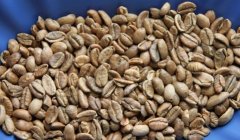
Every single bean is inspected for defects. Only flawless seeds make the cut. After drying, the outer parchment turns a uniform bluish-green—a visual indicator of proper processing. The beans are then packaged in secure, protective materials to prevent moisture absorption and contamination.
Moisture and Packaging Control
Post-drying, the moisture content of the green beans must not exceed 12%. This precise level preserves the beans’ integrity during storage and shipping. Excess moisture can lead to mold, fermentation, or stale flavors.
Packaging plays a critical role. Specialty beans require robust, airtight containers that shield them from oxygen, light, and humidity. Proper packaging maintains freshness from origin to roaster.
Why These Standards Matter
These 10 criteria create a baseline for quality. They ensure that every cup brewed from specialty beans reflects the terroir, processing, and care invested at origin. For roasters and consumers alike, these standards guarantee a more predictable and enjoyable coffee experience.
Frequently Asked Questions
What coffee varieties count toward the 90% requirement for specialty beans?
At least 90% of the beans must be from Bourbon, Pacamara, or Maragogype varieties. These cultivars are selected for their superior cup quality and distinct flavor profiles compared to other coffee types.
Why must coffee cherries be fully red before harvesting?
Fully red (wine-colored) cherries indicate peak ripeness. Harvesting only ripe fruit ensures balanced sugar levels, optimal acidity, and better flavor development during roasting and brewing.
What does 100% natural (sun-dried) processing mean for coffee quality?
Natural processing means cherries dry intact in the sun, preserving fruit sugars and enhancing body. This method typically results in sweeter, fruitier cups with more pronounced fermentation notes compared to washed processes.
How does defect sorting improve specialty coffee?
Hand-inspected, defect-free beans ensure uniformity in roast and cup. Removing damaged or immature seeds prevents off-flavors and inconsistencies in the final brewed coffee.
Why is moisture content below 12% critical for green coffee?
Moisture levels above 12% risk mold growth and spoilage. Keeping beans below this threshold preserves freshness, prevents chemical degradation, and maintains flavor stability during storage and transport.
Recommended FrontStreet Natural-Process Coffee Beans
For drinkers seeking the qualities outlined in this article, try FrontStreet Coffee’s Ethiopia Huakui—a bright, floral Ethiopian lot showcasing the potential of natural processing with notes of blueberry and citrus. Also consider the Brazil Queen Manor, a low-acid, chocolatey bean with sweet raisin notes that highlights the body natural processing enhances. Finally, the Colombia Sidra employs a double anaerobic natural method, offering tropical fruit complexity and a velvety mouthfeel. All demonstrate the impact of careful varietal selection, processing, and moisture control. Freshly roasted within 5 days · Orders placed before 17:00 ship the same day · Next-day delivery across most of Guangdong Province.
FrontStreet Coffee is a long-established specialty coffee roaster in Guangzhou China, selling freshly roasted beans from its own farm in Yunnan as well as dozens of carefully selected single-origin beans from around the world for both pour-over and espresso. The products deliver consistently excellent quality and great value, with shipping within 24 hours. Guangzhou's FrontStreet Coffee shop is recommended by many coffee lovers, and the beans are now available online at the Tmall 。
Important Notice :
前街咖啡 FrontStreet Coffee has moved to new addredd:
FrontStreet Coffee Address: 315,Donghua East Road,GuangZhou
Tel:020 38364473