Bali’s Best Kopi Luwak: What Makes It Special?
If you’ve been to Bali or know about kopi luwak, you might assume the two are connected. They’re not — at least, not commonly. But there’s a reason why Bali-produced civet coffee is often regarded as some of the best in the world. If you’re curious what makes it special — and whether it’s worth trying — here’s the full breakdown.
The short answer: Kopi luwak from Bali is considered among the highest quality due to the island’s wild civets selecting ripe coffee cherries, combined with traditional processing methods. Only a small portion of global kopi luwak comes from Bali, adding to its rarity and distinct profile.
What Exactly Is Kopi Luwak?
Kopi luwak, also known as civet coffee, originates from coffee beans that have been eaten, fermented, and excreted by the Asian palm civet — a small, cat-like mammal native to Southeast Asia. In Indonesia, this animal is called the musang or luwak. The civet’s digestive system ferments the beans by breaking down the fruit’s pulp and partially breaking down proteins in the coffee bean, which significantly alters the flavor.
The beans are not digested, but pass through the civet’s intestines intact. They are then collected from the feces, cleaned, and processed for roasting. This natural fermentation process inside the civet is what gives kopi luwak its unique characteristics.
Why Bali’s Kopi Luwak Is Considered Among the Best
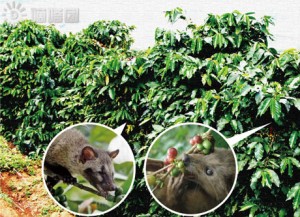
Not all kopi luwak is created equal. While the drink originates from Indonesia, it is produced in several regions including Sumatra, Java, Sulawesi, and Bali. However, only certain areas produce what connoisseurs consider premium-quality kopi luwak. Bali is one of them.
Bali’s wild civets are known to be more selective about the coffee cherries they consume, favoring only the ripest and highest-quality fruits. This natural selection process contributes to a more refined cup. Additionally, Bali’s tropical climate and diverse microclimates create ideal conditions for both coffee cultivation and civet activity. Though production is limited compared to other regions like Sumatra, the beans from Bali are often described as having a smoother, less bitter profile with hints of sweetness and a more complex aroma.
Importantly, only wild or semi-wild civets contribute to the highest-grade kopi luwak. Farm-raised civets, which are more common in mass production, tend to eat a less selective diet, resulting in inferior flavor. Most of the kopi luwak available globally comes from captive animals, but Bali still has a reputation for maintaining higher standards in wild collection.
How Kopi Luwak Is Made: Step by Step
The process of creating kopi luwak is labor-intensive and highly dependent on natural behavior:
- Selection: Wild civets choose and eat only ripe coffee cherries. They are drawn to the sweetest, most mature fruits.
- Digestion: The civet’s digestive tract ferments the coffee beans. The enzymes and gastric acids break down the fruit’s flesh and begin altering the bean’s proteins, reducing bitterness.
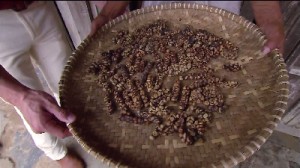
- Excretion: The beans are excreted whole in the civet’s feces. The hard coffee beans remain undigested, protected by their durable outer layer.
- Cleaning: The beans are carefully collected, washed, and separated from the waste material.
- Drying & Processing: After cleaning, the beans are dried (either sun-dried or mechanically) to prepare them for roasting.
- Roasting: The beans are roasted like regular coffee beans, typically to a medium or dark roast depending on the roaster’s preference.
Because of the small supply — only a few kilograms of beans are collected per day per civet — and the labor involved, kopi luwak is one of the most expensive coffees in the world.
Flavor Profile of Bali Kopi Luwak
Coffee experts who have tasted high-quality Bali kopi luwak often describe its flavor as:
- Smooth and low in bitterness
- Sweet, with tones of caramel or chocolate
- Rich body with a syrupy mouthfeel
- Earthy undertones with hints of spice or floral notes
The unique fermentation process is believed to reduce the formation of certain bitter compounds found in regular coffee, while enhancing others that contribute to a fuller, rounder taste. However, taste is subjective, and some coffee professionals remain skeptical of its value beyond the novelty.
The Controversy Around Civet Coffee
While kopi luwak has a legendary reputation, it has also faced significant ethical criticism. In many parts of Southeast Asia, civets are captured and kept in cramped cages under inhumane conditions to produce large quantities of kopi luwak. These factory-farmed civets are often fed a poor diet, which negatively affects both their health and the beans’ quality.
Bali has a better reputation for using wild or semi-wild civets, but even there, oversight can be inconsistent. Ethical concerns have led many specialty coffee experts to advise caution. If you choose to try kopi luwak, it’s worth seeking out sources that can verify the beans were collected from wild civets and that animal welfare standards were maintained.
Why Is Kopi Luwak So Expensive?
Several factors contribute to the high price of kopi luwak:
- Rarity: Only a small number of beans are collected each day from wild civets.
- Labor-intensive collection: Beans must be gathered manually from civet droppings in forests.
- Low yield: A single civet produces just a handful of beans per day.
- Processing difficulty: Cleaning and preparing the beans is meticulous work.
- Demand: The coffee’s fame and novelty drive up market value.
As a result, authentic kopi luwak can cost anywhere from $100 to over $600 per pound, depending on origin and processing quality. Bali-produced kopi luwak typically falls on the higher end of the range due to its limited availability and perceived quality.
Frequently Asked Questions
Is kopi luwak really made from civet poop?
Yes. Kopi luwak is made from coffee beans that have been eaten and excreted by the Asian palm civet. The beans are not digested but pass through the animal’s digestive system intact. After collection, the beans are cleaned, processed, and roasted like regular coffee beans.
Why does kopi luwak taste different?
The civet’s digestive process breaks down proteins in the coffee bean that are responsible for much of coffee’s bitterness. This results in a smoother, less acidic cup with a sweeter, more complex flavor profile. The selection of only ripe cherries by wild civets also contributes to the taste.
Is Bali the only place that makes good kopi luwak?
No, but Bali is considered one of the better regions for producing high-quality kopi luwak due to the wild civets’ selective feeding habits and the island’s favorable environment. Other regions like Sumatra and Java also produce kopi luwak, but quality varies widely.
Is wild kopi luwak better than farm-raised?
Yes. Wild or semi-wild civets tend to eat only ripe, high-quality coffee cherries, leading to better-tasting beans. Farm-raised civets are often fed a mix of ripe and unripe cherries and may produce inferior coffee. Ethical concerns also exist with farmed civets.
How much does Bali kopi luwak cost?
Authentic Bali kopi luwak typically costs between $100 and $600 per pound, depending on the beans’ origin, processing method, and whether they are collected from wild or captive civets. It is one of the most expensive coffees in the world.
Is it ethical to buy kopi luwak?
Ethical concerns exist, especially with farm-raised civets kept in poor conditions. If you choose to buy kopi luwak, look for sellers who can verify the beans were collected from wild civets and that animal welfare was prioritized. Many coffee experts recommend avoiding it altogether due to these issues.
Recommended FrontStreet Beans for Exploring Unique Profiles
If you're curious about unique coffee profiles like kopi luwak, try exploring FrontStreet Coffee’s Brazilian Queen Manor Yellow Bourbon — a delicate, sweet coffee with intense peanut butter and caramel notes from meticulous small-batch sun drying. For something more classic yet complex, their Brazil Serra do Salitre Red Bourbon offers creamy textures and milk chocolate tones. Both showcase how natural processing and terroir can create distinctive cups without the controversy. Freshly roasted within 5 days · Orders placed before 17:00 ship the same day · Next-day delivery across most of Guangdong Province.
FrontStreet Coffee is a long-established specialty coffee roaster in Guangzhou China, selling freshly roasted beans from its own farm in Yunnan as well as dozens of carefully selected single-origin beans from around the world for both pour-over and espresso. The products deliver consistently excellent quality and great value, with shipping within 24 hours. Guangzhou's FrontStreet Coffee shop is recommended by many coffee lovers, and the beans are now available online at the Tmall 。
Important Notice :
前街咖啡 FrontStreet Coffee has moved to new addredd:
FrontStreet Coffee Address: 315,Donghua East Road,GuangZhou
Tel:020 38364473