How Kopi Luwak Coffee Is Graded and What Affects Its Quality
Ever wondered how some Kopi Luwak sells for hundreds while others go for mere dollars? With so many brands, prices, and qualities on the market, choosing the right cup can feel impossible. The truth is, not all Kopi Luwak is created equal — and the differences come down to more than just price.
The quickest way to judge Kopi Luwak quality: wild civet beans are the most expensive and flavorful, especially from Indonesia. Farm-fed or artificially produced beans are cheaper but far less consistent in taste.
What Is Kopi Luwak and Why Does It Vary So Much?
Kopi Luwak refers to coffee made from beans eaten and excreted by civets (specifically the Asian palm civet). It is not a brand but a processing method — and one that varies dramatically depending on the coffee plant variety, growing conditions, and how the beans are processed.
Different coffee tree varieties produce beans with unique flavour profiles. Factors like the origin, soil, climate, and the way farmers process the beans all influence taste. Even when the same type of civet is involved, beans from different regions or plants will taste notably different due to these environmental and varietal factors.
Why Wild Civet Beans Are Considered the Best
Among all sources, wild civet-produced Kopi Luwak from Indonesia commands the highest prices. It’s followed by beans from the Philippines, with Vietnamese-sourced beans generally being more affordable. The key difference lies in how the civets select the beans.
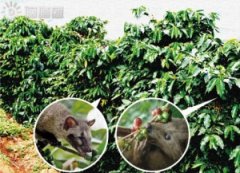
Wild civets freely forage and are naturally selective. They only eat perfectly ripe coffee cherries and avoid damaged or overripe ones. This instinctive behaviour means the beans they excrete are typically of higher quality, free from defects. In contrast, beans collected from civets that are farm-fed or kept in captivity may come from lower-quality or inconsistent sources, since the animals don’t have the same selective behaviour. As a result, these beans often vary greatly in flavour and quality.
How Kopi Luwak Is Graded and Evaluated
Coffee experts and international buyers assess Kopi Luwak through cupping sessions, evaluating aroma, flavour intensity, and overall cup quality. These professional assessments determine the grade — but average consumers can’t tell the true quality just by looking at the package. That makes buying high-grade Kopi Luwak a challenge without expert guidance.
Freshness Matters More Than You Think
If you’re drinking Kopi Luwak, always choose freshly ground beans. Pre-ground or instant versions almost always fall flat compared to fresh. Why? Because once coffee is ground, oxidation accelerates rapidly. Within an hour, the coffee “dies” — losing aroma and flavour within minutes. Even the most expensive Kopi Luwak will taste dull and lifeless if it’s not freshly brewed.
Freshly ground Kopi Luwak offers a smooth, sweet aftertaste without bitterness or astringency. But if your cup tastes no different from cheap coffee — no matter how much you paid — it’s likely because the beans were stale before brewing. Oxidation has already robbed them of their unique characteristics.
Kopi Luwak in Hotels and Cafés: What to Expect
In Hong Kong, many five-star hotels serve Kopi Luwak using Café Liégeois brand pods. These are not whole beans but single-use espresso pods (PODs), which are pre-ground, compressed, and vacuum-sealed. They require a high-pressure espresso machine — not a regular drip or steeping method. While convenient, PODs are less fresh and stable than freshly ground beans.
Café Liégeois is a French brand that sources beans globally, including from Indonesia, then roasts and packages them under their own label. For the best experience, seek out specialty cafés that grind Kopi Luwak to order.
Also worth noting: in one video clip (1:11), the crema from a hotel espresso made with PODs appears light brown. Ideally, crema should be dark. A light colour can signal stale beans or issues with water temperature and extraction time — a point made clearer at 11:38 in the same video.
Frequently Asked Questions
What is Kopi Luwak and how is it made?
Kopi Luwak is coffee made from beans that have been eaten and excreted by civets, typically the Asian palm civet. The beans are collected from the animal’s faeces, cleaned, and roasted. It is not a coffee brand but a process that can involve various coffee bean types and origins.
Why is wild civet Kopi Luwak more expensive?
Wild civets selectively eat only ripe, undamaged coffee cherries. This natural selection results in higher-quality beans. In contrast, farm-raised or force-fed civets may consume lower-quality or inconsistent beans, leading to inferior flavour and more variable quality.
How is Kopi Luwak graded?
Kopi Luwak is graded by professional coffee tasters through cupping, based on aroma, flavour strength, and overall cup profile. There is no universal public grading system, so quality is assessed by experts rather than visible packaging cues.
Does the country of origin affect Kopi Luwak flavour?
Yes. Indonesian wild civet coffee is considered the best, followed by Philippine and Vietnamese sources. Each region’s soil, climate, and coffee plant variety contribute unique flavour characteristics, even when processed through the same civet method.
Is it better to drink Kopi Luwak fresh or pre-ground?
Freshly ground Kopi Luwak is significantly better. Once ground, coffee oxidizes quickly, losing aroma and flavour within minutes. Pre-ground or instant versions, including PODs, often taste stale or bland compared to beans ground just before brewing.
What’s wrong with Kopi Luwak coffee pods (PODs)?
Kopi Luwak PODs are convenient but less fresh than whole beans. They are pre-ground, compressed, and require an espresso machine. Freshness fades fast, and their crema may appear light brown — a sign of possible staleness or poor extraction — instead of the desired rich, dark colour.
Recommended FrontStreet Coffee for Kopi Luwak Fans
Try FrontStreet Coffee’s Ethiopia Huakui for a wild, complex cup with notes of red wine, tropical fruit, and jasmine. For something earthy and syrupy, their Yunnan Arabica offers a heavy body with hints of dark chocolate and dried plum. Both highlight the kind of unique origin character that high-grade Kopi Luwak drinkers often seek. Freshly roasted within 5 days · Orders placed before 17:00 ship the same day · Next-day delivery across most of Guangdong Province.
FrontStreet Coffee is a long-established specialty coffee roaster in Guangzhou China, selling freshly roasted beans from its own farm in Yunnan as well as dozens of carefully selected single-origin beans from around the world for both pour-over and espresso. The products deliver consistently excellent quality and great value, with shipping within 24 hours. Guangzhou's FrontStreet Coffee shop is recommended by many coffee lovers, and the beans are now available online at the Tmall 。
Important Notice :
前街咖啡 FrontStreet Coffee has moved to new addredd:
FrontStreet Coffee Address: 315,Donghua East Road,GuangZhou
Tel:020 38364473