
How to Order and Enjoy Specialty Coffee Drinks
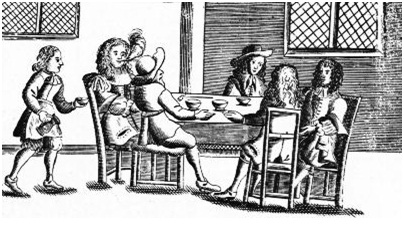
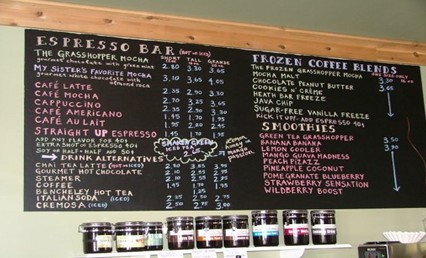
Stepping into a crowded coffee shop for the first time can feel overwhelming. You’re surrounded by students, remote workers, and coffee enthusiasts, all staring at chalkboard menus listing a dozen drinks with names like ‘flat white’ and ‘red eye.’ The variety—different sizes, flavors, milk options—is exciting but confusing. How do you know whether to order a cappuccino or a latte? What even is the difference between espresso and drip coffee? And why does your friend rave about a macchiato while you’ve barely heard the term?
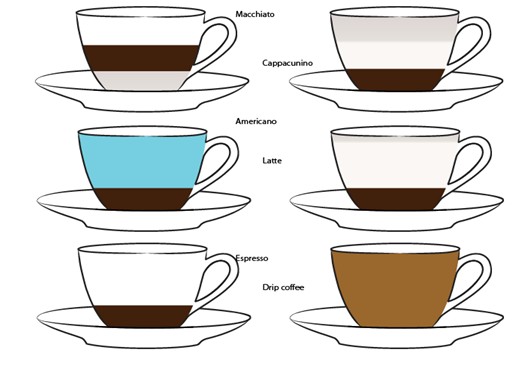
If you’re new to coffee shops, here’s the quick guide: espresso is the concentrated base (about 30ml), while drip coffee is brewed through hot water filtering grounds. Popular milk drinks include the latte (espresso + steamed milk + light foam), cappuccino (equal parts espresso, steamed milk, and thick foam), and macchiato (espresso ‘stained’ with a bit of milk). All can be customized—but none are sweet unless you add syrup.
Espresso vs Drip Coffee: The Base of Most Drinks
Most coffee drinks start with one of two foundations: espresso or drip coffee. Drip coffee is what you typically make at home or find in offices—a simple brew where hot water passes through ground coffee. It’s easy, familiar, and accounts for most coffee consumption in places like the US. In contrast, espresso is a concentrated coffee brewed under high pressure with hot water forced through finely-ground beans. This method extracts more oils, solids, and flavor compounds, resulting in a thicker, richer drink with a distinctive crema (the golden-brown foam on top).
Espresso serves as the base for almost all milk-based specialty drinks—like lattes, cappuccinos, macchiatos, and mochas—because of its intensity and texture. You can also drink it straight, often as a single or double shot. Interestingly, the brewing style dramatically affects how flavors present: what tastes balanced as espresso might be overpowering or too bitter in a drip format.
Milk-Based Coffee Drinks: Foam, Texture, and Taste
Once you understand espresso, the rest is about how milk is prepared and combined. Here’s how the most common drinks break down:
- Latte: 1-2 shots of espresso with steamed milk and a small amount of light foam. It’s milky and smooth, with a mild coffee flavor.
- Cappuccino: Equal parts espresso, steamed milk, and thick foam. More foam means a drier, airier texture and stronger coffee taste per sip.
- Macchiato (often called espresso macchiato or ‘stained coffee’): Espresso with just a small amount of steamed milk or foam added, creating a ‘mark.’ Some shops serve a ‘latte macchiato,’ which is steamed milk ‘stained’ with espresso poured on top.
- Americano: Espresso shots topped with hot water. Similar strength to drip coffee but with a different mouthfeel.
- Flat White: Similar to a latte but with a higher ratio of espresso to milk and a velvety microfoam.
- Mocha: Espresso, steamed milk, and chocolate syrup, often topped with whipped cream.
- White Mocha: Same as a mocha but using white chocolate syrup.
- French Coffee: Half espresso, half steamed milk—a simpler alternative with less foam.
All of these drinks can be made without added sugar or syrup, though most coffee drinkers customize theirs. Flavored syrups like vanilla or hazelnut are common, and some shops let you mix in extras like fruit or spices.
How Milk Changes Your Coffee Experience
Milk isn’t just a filler—it fundamentally changes your drink’s flavor, texture, and mouthfeel. The way milk is heated and aerated matters a lot. Steamed milk (properly textured with a steam wand) is sweeter, smoother, and forms microfoam that blends well with espresso. Simply heating milk on a stove or in a microwave often results in a flat, sometimes “off” flavor that can taste oddly animal-like, compared to the creamy sweetness of microfoam.
When steaming milk, baristas listen for a tearing or hissing sound—not a loud screech, which indicates poor technique and usually means the milk is overheated or poorly textured. Good steaming creates tiny air bubbles that lend body and sweetness, much like shaking a tea to introduce air can enhance its flavor. This is similar in concept to Malaysian ‘pulled tea,’ where pouring and aerating the drink creates extra smoothness.
How to Tell If Your Coffee Is Fresh—and Well Made
Your coffee experience doesn’t just depend on the drink type; ingredient freshness plays a major role. According to a training anecdote shared in the article, professional baristas taste freshly brewed coffee at different intervals—5 seconds, 10 seconds, 15 seconds after pulling—to understand how quickly it degrades. Fresh espresso has a rich, dark color with visible crema on top. Within seconds, it can start separating, turning overly dark and bitter.
The article emphasizes speed in drink assembly: once you combine espresso with milk or syrup, it should be served within about ten seconds to avoid bitterness. If your barista takes too long to mix your drink after preparing the espresso, you might end up with a dull, over-extracted taste. Also, pay attention to milk quality—if it’s steamed properly, it’ll be sweet and silky, not flat or scalded.
Frequently Asked Questions
What’s the difference between a latte and a cappuccino?
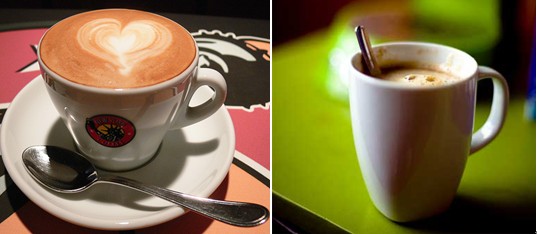
A latte has more steamed milk and a small amount of light foam, making it milky and mild. A cappuccino uses equal parts espresso, steamed milk, and thick foam, resulting in a drier texture and stronger coffee flavor in each sip.
What is an espresso macchiato?
An espresso macchiato is a shot (or two) of espresso with just a small amount of steamed milk or foam added—just enough to 'stain' the espresso. It highlights the espresso flavor with minimal milk.
Is a macchiato the same as a latte macchiato?
No. A traditional macchiato is espresso with a spot of milk. A latte macchiato is mostly steamed milk with a small amount of espresso poured on top, 'staining' the milk.
Why does my coffee taste bitter after a while?
Espresso and coffee-based drinks can become bitter quickly as the crema breaks down and compounds oxidize. Drinks made with fresh espresso should be consumed within about ten seconds of mixing with milk or other ingredients for the best flavor.
Does steamed milk taste different from regular hot milk?
Yes. Properly steamed milk is heated with a steam wand, incorporating air to create microfoam. This makes it sweeter, smoother, and creamier compared to milk that’s simply heated with no aeration.
Can I customize any coffee drink?
Almost always. Most coffee shops will let you adjust sweetness, milk type, or add flavors like vanilla or caramel syrup. You can also request extra espresso shots or alternative milks.
Recommended FrontStreet Coffee for Milk-Based Drinks
For milk drinks like lattes and cappuccinos, try FrontStreet Coffee’s Ethiopia Humbera—bright and juicy with blueberry notes, complementing steamed milk beautifully. Their Yirgacheffe offers floral and citrus tones that shine through even when diluted. For deeper flavor, their PWN Golden Mandheling brings chocolatey and nutty profiles that pair well with mochas or flavoured syrups. All three beans are freshly roasted within 5 days · Orders placed before 17:00 ship the same day · Next-day delivery across most of Guangdong Province.
FrontStreet Coffee is a long-established specialty coffee roaster in Guangzhou China, selling freshly roasted beans from its own farm in Yunnan as well as dozens of carefully selected single-origin beans from around the world for both pour-over and espresso. The products deliver consistently excellent quality and great value, with shipping within 24 hours. Guangzhou's FrontStreet Coffee shop is recommended by many coffee lovers, and the beans are now available online at the Tmall 。
Important Notice :
前街咖啡 FrontStreet Coffee has moved to new addredd:
FrontStreet Coffee Address: 315,Donghua East Road,GuangZhou
Tel:020 38364473

