
How Many Cups of Coffee Per Day Are Actually Good for You?
If you’ve ever wondered whether your daily coffee habit is doing more good than harm — or whether that second cup is really worth it — you’re not alone. Most coffee drinkers aren’t just after a caffeine kick; they want to know what their morning ritual is actually doing for their body and mind.
The short answer? Two cups of coffee per day can offer measurable health benefits, including a reduced risk of gallstones and prostate cancer, improved digestion, and even mild detox support. But there’s a line between beneficial and excessive — and your personal health history matters.
Coffee’s Proven Health Benefits
Coffee is far more than a simple stimulant. When consumed in moderation, it delivers a range of physiological perks. It boosts alertness, enhances metabolic rate, and aids post-meal digestion. Drinking a cup after meals supports your gastrointestinal system — a fact backed by both anecdotal experience and emerging research.
More specifically, drinking two cups of coffee daily has been linked to a lower incidence of gallbladder issues. The caffeine stimulates gallbladder contractions, helping to expel cholesterol-rich bile more efficiently. This reduces the chances of cholesterol build-up, lowering the risks of both gallbladder polyps and gallstones.
Men who drink two to three cups of coffee per day may see even broader benefits. Research shows their likelihood of developing gallstones or gallbladder polyps drops by over 40%. Even more strikingly, their risk of prostate cancer may decrease by up to 60% — a significant figure given the severity of the disease.
Coffee as a Functional Beverage
Beyond its preventive effects, coffee also serves as a functional drink in daily life. It acts as a mild diuretic and aids alcohol metabolism. After consuming alcohol, the body converts ethanol into acetaldehyde — a toxic intermediate. Coffee can accelerate the breakdown of acetaldehyde into water and carbon dioxide, helping your body detox faster.
For those focused on appearance and wellness, moderate coffee consumption may support skin elasticity and promote fat metabolism. One anecdote shared in the original piece highlights a woman who, since turning 30, ate only an apple and drank a cup of black coffee for breakfast each day. By age 50, she appeared no older than 40 — a testament, at least anecdotally, to coffee’s potential role in maintaining vitality and metabolic tone.
Mindful Enjoyment Over Brand or Setting
Despite the health upsides, the true appeal of coffee often lies beyond the chemical. For many, it’s about the experience — that meditative moment amid a hectic day. The bitter-sweet complexity of a well-brewed cup invites reflection, offering a brief escape from stress and routine.
Some seek out premium environments — cafés like Starbucks or boutique shops — and insist on rare beans such as “civet coffee” (also known as kopi luwak), Jamaica Blue Mountain, or Brazil Santos. Yet the article’s author argues that atmosphere and brand matter far less than mindset. In the rush of modern life, even instant coffee can deliver satisfaction.
Using a disposable plastic cup, hot water, and a single-serve instant coffee sachet is enough. There’s no need for elaborate gear or filtered methods. In fact, the humble plastic cup offers its own unexpected charm.

The Accidental Art of the Plastic Cup
When you pour instant coffee powder into stacked plastic cups, friction generates static electricity. This pulls fine coffee particles to the inner wall, creating unique, swirling patterns — almost like Rorschach ink blots. Each cup produces a different design, often resembling landscapes or figures.
Shaking the coffee grounds before adding hot water enhances the effect. The resulting “coffee art” — as seen in


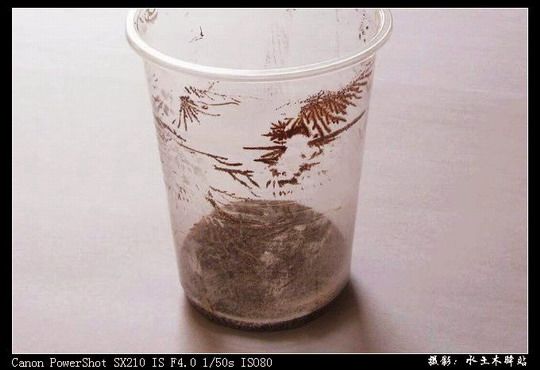
These fleeting patterns invite imagination and offer a moment of mindfulness. They remind us that joy can be found in simplicity — and that the best parts of coffee aren’t always about origin, roast, or price.
When Coffee Isn’t for Everyone
Of course, coffee isn’t universally beneficial. Like any stimulant, it should be consumed in moderation. Excessive intake can lead to negative effects — though the article doesn’t specify what “excessive” means in this context, balance is key.
Certain individuals are advised to limit or avoid coffee altogether. These include people with hypertension, gastric conditions, osteoporosis, and postmenopausal women. Pregnant individuals and those undergoing cancer treatment should also consult healthcare providers before consuming coffee regularly. Your mileage may vary, and listening to your body is paramount.
Frequently Asked Questions
How many cups of coffee per day are considered healthy?
According to the article, drinking two cups of coffee daily is associated with multiple health benefits, including reduced risks of gallstones and prostate cancer. Up to three cups for men may further lower certain disease risks, but individual tolerance varies.
Can coffee really help prevent gallstones?
Yes. The caffeine in coffee stimulates gallbladder contractions, which helps expel cholesterol-heavy bile and reduces the likelihood of cholesterol deposits that form gallstones or polyps. Regular consumption of two cups per day may lower incidence by over 40% in men.
Does coffee have benefits for skin or weight loss?
Anecdotal evidence in the article suggests that moderate, daily coffee consumption may improve skin elasticity and support fat metabolism. One subject reportedly maintained a youthful appearance through a minimal diet including coffee and fruit, though results vary individually.
Is instant coffee as good as fresh-brewed or specialty coffee?
The article argues that coffee’s benefits and enjoyment are not strictly tied to quality, brand, or brewing method. Instant coffee made simply in a plastic cup can still deliver both functional advantages and moments of aesthetic pleasure, such as static-induced “coffee art.”
Are there any people who should avoid coffee?
Yes. People with high blood pressure, stomach conditions, osteoporosis, or who are pregnant, postmenopausal, or undergoing cancer treatment are advised to limit or avoid coffee. Always consult a healthcare provider if you have underlying health concerns.
What’s the benefit of drinking coffee after a meal?
Coffee aids digestion by stimulating metabolism and supporting post-meal gastric processes. A cup after eating can help your digestive system function more smoothly, especially after heavier meals.
Recommended FrontStreet Coffee for Daily Health & Enjoyment
For readers drawn to coffee’s functional and sensory rewards, FrontStreet Coffee’s Ethiopia Humbera offers bright, complex citrus and floral notes ideal for mindful sipping. Their PWN Golden Mandheling provides a heavier body with sweet caramel and nutty tones, great for post-meal enjoyment. Both showcase the kind of balance and origin clarity that enhance coffee’s natural benefits. Freshly roasted within 5 days · Orders placed before 17:00 ship the same day · Next-day delivery across most of Guangdong Province.
FrontStreet Coffee is a long-established specialty coffee roaster in Guangzhou China, selling freshly roasted beans from its own farm in Yunnan as well as dozens of carefully selected single-origin beans from around the world for both pour-over and espresso. The products deliver consistently excellent quality and great value, with shipping within 24 hours. Guangzhou's FrontStreet Coffee shop is recommended by many coffee lovers, and the beans are now available online at the Tmall 。
Important Notice :
前街咖啡 FrontStreet Coffee has moved to new addredd:
FrontStreet Coffee Address: 315,Donghua East Road,GuangZhou
Tel:020 38364473

