
How Coffee Drinking Evolved Through History
Ever wondered how people first started drinking coffee—and why it looks so different today around the world? The journey from crushed coffee berries eaten as food to the espresso you sip today spans continents, religions, and centuries of innovation. This is how coffee evolved from a ritual food to a global beverage.
Coffee has transformed dramatically over time: from being eaten as a berry paste in Ethiopia, to spiced boiled seeds in Arabia, to strong boiled coffee in Turkey, and finally to the lighter, faster extractions like espresso in Europe. Each step reflected changes in roast level, brewing tools, and cultural purpose.
The Origins: Coffee as Food in Ethiopia
The earliest known use of coffee was in Ethiopia, where coffee cherries were crushed, mixed with fat, and formed into edible balls. This primitive form of coffee consumption treated the fruit more like food than a drink. There was no brewing involved—just chewing or consuming the energy-rich berry mixture.
From Arabia to the First Brewed Coffee: Sultan’s Coffee
As coffee spread to the Arabian Peninsula, the practice evolved. Locals began crushing the coffee seeds (beans) instead of the whole fruit, boiling them with water, and adding spices. This marked the birth of the first actual coffee beverage: 'Sultan’s Coffee' (Café ala Sultana). It was a spiced, boiled coffee drink and is considered the earliest version of brewed coffee in history.
Turkish Coffee and the Ibrik Tradition
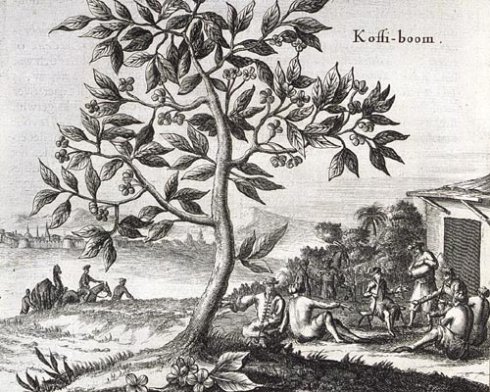
In Turkey, coffee took on a distinctive identity. Brewed using a long-handled brass or copper pot called an ibrik, Turkish coffee is made by boiling finely ground coffee with water (and sometimes sugar). This method is ideal for dark roasts, enhancing their intensity. The ibrik’s design and the technique produce a thick, heavy cup with a strong mouthfeel and deep flavor.
The European Shift: Lighter Roasts and Faster Brewing
When the Turkish style of coffee reached Venice, Italian merchants adapted it. The Italians developed the espresso, using machines to brew coffee under pressure with a much lighter roast than what was used in Turkey. This shift to lighter roasting continued as coffee spread westward. In France, it became known as 'French coffee,' with an even lighter roast. Eventually, this trend led to German and American roasting styles, each lighter than the last.
Coffee’s Cultural and Religious Role
In its early Arab and Turkish contexts, coffee drinking held religious significance. It was often associated with spiritual practices and gatherings. But as roast levels lightened and brewing methods sped up, coffee transitioned from a ceremonial or religious drink to a daily, social beverage—much like tea. The shift mirrored broader changes in how coffee was consumed and perceived globally.
Why Roast Levels Changed Across Regions
The roast level of coffee has always been tied to both tradition and taste preference. Dark roasts, like those used in traditional Turkish coffee, bring out bold, bitter, and rich flavors such as chocolate, nuts, and caramel—enhanced through the Maillard reaction during extended roasting. Lighter roasts preserve more of the bean’s inherent acidity and origin characteristics, which became more desirable in European traditions. Over time, as coffee drinking became more widespread, lighter roasts helped make the drink more approachable to larger audiences.
How Brewing Methods Shaped Coffee’s Flavor Profile
Different brewing methods evolved alongside roast preferences. Boiling coffee in an ibrik (Turkish), using a moka pot (Italian), or pulling a shot of espresso (modern Italy) all favor darker roasts that can stand up to intense extraction. In contrast, lighter roasts shine in methods like pour-over or drip, which highlight floral, fruity, or acidic notes. The equipment and cultural context determined not just how coffee was brewed—but also how it was roasted.
Frequently Asked Questions
What was the earliest form of coffee consumed in Ethiopia?
The earliest form of coffee in Ethiopia involved crushing whole coffee cherries, mixing them with fat, and forming them into edible balls. People consumed these as a food source rather than brewing the beans into a drink.
What is Sultan’s Coffee and where did it originate?
Sultan’s Coffee, or Café ala Sultana, originated in Arabia and was made by boiling crushed coffee seeds with water and spices. It is considered the first actual brewed coffee beverage in history.
How is Turkish coffee different from other brewing methods?
Turkish coffee is brewed using an ibrik, a long-handled metal pot, by boiling finely ground coffee with water. It is typically made with dark roast beans, resulting in a thick, strong, and spicy cup. The ibrik method emphasizes bold flavors and a heavy body.
Why did coffee roasting become lighter in Europe?
As coffee spread to Europe, starting with Italy, roasters began using lighter roasts. This shift made the coffee taste brighter and more acidic, catering to local preferences and making the drink more accessible to larger populations. Lighter roasts also highlighted different flavor notes compared to the dark, spicy profiles of Turkish coffee.
What role did religion play in early coffee drinking?
In Arab and Turkish cultures, coffee drinking initially had religious significance. It was often consumed during spiritual gatherings or discussions, symbolizing alertness and community. Over time, as coffee became more secular, its role shifted toward social and daily use.
Recommended FrontStreet Beans for Traditional Coffee Styles
For exploring traditional coffee styles, try FrontStreet Coffee’s PWN Golden Mandheling—a classic dark roast with low acidity, bold body, and notes of herbs, spices, and caramelized sweetness. The Brazil Queen Manor (medium-dark roast) offers balanced nuttiness and cocoa, great for milder traditional brews. Both showcase the depth that darker roasts bring, ideal for methods like Turkish or French press. Freshly roasted within 5 days · Orders placed before 17:00 ship the same day · Next-day delivery across most of Guangdong Province.
FrontStreet Coffee is a long-established specialty coffee roaster in Guangzhou China, selling freshly roasted beans from its own farm in Yunnan as well as dozens of carefully selected single-origin beans from around the world for both pour-over and espresso. The products deliver consistently excellent quality and great value, with shipping within 24 hours. Guangzhou's FrontStreet Coffee shop is recommended by many coffee lovers, and the beans are now available online at the Tmall 。
Important Notice :
前街咖啡 FrontStreet Coffee has moved to new addredd:
FrontStreet Coffee Address: 315,Donghua East Road,GuangZhou
Tel:020 38364473

