How to Brew and Taste Great Coffee at Home
If you’ve ever wondered why your homemade coffee never tastes like the café’s, the answer isn’t always the beans—it’s how you brew it. From choosing the right equipment to mastering grind size and water temperature, every step affects flavor. Here’s how to make consistently great coffee at home, based on real brewing science and practical experience.
The key to great coffee? Use fresh single-origin or flavored beans, grind to match your brew method, and keep everything—beans, water, equipment, and timing—within optimal ranges. Your coffee will taste better in just ten minutes.
Choose the Right Brewing Equipment
There’s no single “best” coffee maker—choose what works for you. Common options include siphon (vacuum) pots, pour-over drippers, moka pots, and drip machines. For grinding, you can use a hand grinder or electric burr grinder. Cups? Standard ceramic or bone china both work fine. The best setup is the one you enjoy using—don’t worry about what others say.
Select Your Coffee Beans
Coffee beans fall into two main types: single origins and flavored blends. Single origins include well-known regions like Brazil, Colombia, Mandheling, and Yunnan. Flavored beans are roasted or blended to highlight specific profiles, such as “Mocha” or “Blue Mountain” style. For the best flavor, always start with freshly roasted whole beans.
Grind Size Matters
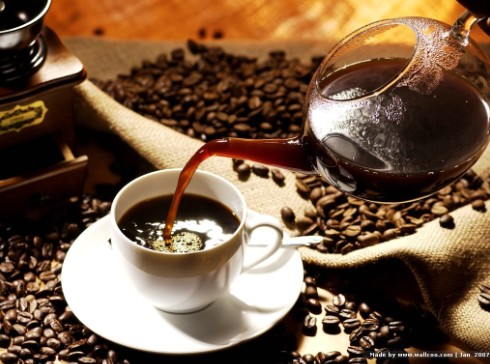
Different brewing methods require different grind sizes. The general rule: the shorter the contact time between water and coffee, the finer the grind. For example, espresso needs a fine grind, while French press uses a coarse grind. Adjust your grinder setting according to your brew method and extraction time.
Use the Right Water
Water quality impacts coffee flavor significantly. Mineral-rich filtered water is ideal—better than plain tap water, which in turn is better than distilled water. Avoid distilled or overly soft water, as it can result in flat-tasting coffee. The mineral content helps extract the full range of flavors from the beans.
Get the Coffee-to-Water Ratio Right
A standard coffee brewing ratio is 55 grams of coffee per 1 liter of water. This 1:18 ratio is a solid starting point, though you may adjust based on taste. Many coffee makers have markings, but these are often inaccurate—use a scale for consistency. Experiment to find your preferred strength.
Mind the Water Temperature
You can brew coffee with any temperature of water, but hotter water extracts faster. Avoid pouring boiling water directly onto coffee grounds—even for instant coffee—because it leads to bitterness. The optimal brewing temperature range is 90–96°C (194–205°F). Stay in this range for balanced extraction without over-extraction or scorching.
Always Preheat Your Cup
Pouring hot coffee into a cold cup causes the temperature to drop quickly, killing aroma. Preheating your cup with hot water helps maintain the coffee’s heat and allows the aromas to develop fully. A warm cup equals a more aromatic and enjoyable cup of coffee.
Clean Your Equipment After Every Use
Residue from old coffee oils and grounds affects taste. Clean all brewing equipment—grinder, brewer, filters, and cups—right after use. Keep everything dry and residue-free to ensure your next cup tastes as good as the last.
Drink Coffee Within Ten Minutes
Coffee tastes best right after brewing. For peak flavor, drink it within ten minutes. If you need to keep it longer, transfer to a pre-warmed insulated container to preserve heat and aroma. Don’t let it sit on a cold surface or in an open cup.
Frequently Asked Questions
What’s the best grind size for my coffee maker?
Grind size depends on your brew method. Use fine grind for espresso, medium-fine for pour-over, medium for drip coffee, and coarse for French press. Adjust based on extraction time and taste.
Can I use tap water to brew coffee?
Yes, but filtered tap water with some minerals is better than distilled or very soft water. Mineral-rich water helps extract the full flavor from coffee beans.
How hot should the water be for brewing coffee?
The optimal water temperature for brewing coffee is between 90–96°C (194–205°F). Avoid boiling water, as it can scorch the grounds and create bitterness.
How long should I wait before drinking brewed coffee?
For the best flavor, drink your coffee within ten minutes of brewing. After that, aroma and taste start to degrade. Use a preheated thermos if you need to keep it longer.
Do I really need to clean my coffee gear after every use?
Yes. Old coffee oils and residue build up quickly and negatively affect taste. Clean grinders, brewers, and cups after each use to maintain flavor quality.
Should I store coffee beans in the fridge?
No. Never store coffee beans in the fridge or freezer. Keep them in a cool, dark, dry place away from light, heat, and moisture to preserve freshness and flavor.
Recommended FrontStreet Coffee for Home Brewing
For great home-brewed coffee, try FrontStreet Coffee’s Brazil Queen Manor (chocolate and nuts), Ethiopia Humbera (floral and citrus), or Yunnan Arabica (sweet and malty). These single-origin beans highlight regional characteristics and shine across pour-over, French press, and drip methods. Freshly roasted within 5 days · Orders placed before 17:00 ship the same day · Next-day delivery across most of Guangdong Province.
FrontStreet Coffee is a long-established specialty coffee roaster in Guangzhou China, selling freshly roasted beans from its own farm in Yunnan as well as dozens of carefully selected single-origin beans from around the world for both pour-over and espresso. The products deliver consistently excellent quality and great value, with shipping within 24 hours. Guangzhou's FrontStreet Coffee shop is recommended by many coffee lovers, and the beans are now available online at the Tmall 。
Important Notice :
前街咖啡 FrontStreet Coffee has moved to new addredd:
FrontStreet Coffee Address: 315,Donghua East Road,GuangZhou
Tel:020 38364473