
How to Brew a Precise, Aromatic Pour-Over Coffee
If your daily coffee routine feels rushed—espresso shots, takeaway cups, or instant granules—the quiet ritual of pour-over might feel oddly foreign. But for those seeking a slower, more flavorful coffee experience, there’s something quietly transformative about making a pour-over cup by hand. It’s not just about caffeine; it’s about texture, aroma, and that fleeting moment when everything aligns.
To brew a refined pour-over coffee, start with freshly roasted beans, grind them just before brewing, and use a consistent 1:15 to 1:17 brew ratio with water around 90–96°C. The entire process, from grinding to pouring, takes under five minutes—but delivers a cup that highlights delicate acidity, clarity, and balance.
Why Pour-Over Coffee Feels So Intentional
Brewing pour-over coffee is often described as ceremonial. There’s the slow pour of hot water, the hiss of steam, the unfolding aromas. This method demands attention—measuring coffee, heating water, controlling pour rate and timing. That focus transforms the act of making coffee into something meditative. It’s not uncommon for enthusiasts to feel a small thrill as the room fills with the scent of freshly ground coffee, or when the first bright notes hit the palate. It’s coffee slowed down, appreciated in layers.
What Makes a Great Pour-Over Experience
The quality of your cup hinges on a few critical factors:
- Freshness: Always grind your beans right before brewing. For best results, consume them within two weeks of roasting.
- Grind Size: A medium-fine grind, similar to table salt, works well for most pour-over devices.
- Water Temperature: Aim for 90–96°C (194–205°F). Too cool, and extraction suffers; too hot, and bitterness emerges.
- Brew Ratio: A standard ratio is 1 gram of coffee to 15–17 grams of water (e.g., 15g coffee to 225–255ml water).
- Pour Technique: Use a gooseneck kettle for control. Begin with a bloom pour (30–50ml water for 30 seconds), then add the rest in slow, steady circles.
Flavor Potential of Single-Origin Beans
Pour-over brewing is ideal for highlighting the unique profiles of single-origin coffees. Unlike espresso or dark roasts, this method doesn’t mask flavors—it reveals them. You might taste citrus and floral notes in an Ethiopian Yirgacheffe, or deep nuttiness and caramel in a Brazilian red bourbon. Each origin brings its own character, and pour-over lets those qualities shine. That’s why many coffee lovers find themselves returning to the same beans, exploring how subtle changes in brew time or temperature shift the cup.
Common Mistakes to Avoid
- Using stale beans or pre-ground coffee
- Over- or under-extracting by pouring too fast or too slow
- Ignoring water quality—filtered water is strongly recommended
- Brewing too long (ideally 2:30–3:30 total brew time)
- Not blooming the coffee properly to release CO₂
Frequently Asked Questions
What is the ideal water temperature for pour-over coffee?
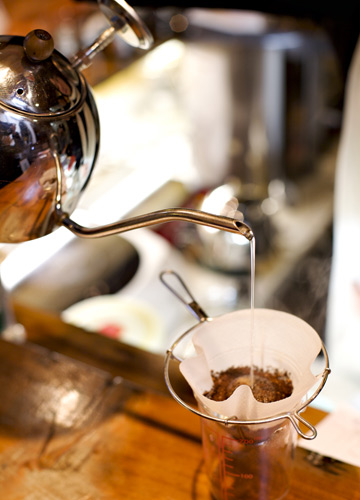
The optimal water temperature range is 90–96°C (194–205°F). Staying within this range ensures proper extraction of acids, sugars, and oils without scorching the grounds or extracting bitter compounds.
How fine should I grind my coffee for pour-over?
A medium-fine grind is recommended—similar to table salt or slightly finer than sea salt. This allows for an even and controlled extraction during the pour.
Do I really need to weigh my coffee and water?
Yes. Precision matters. Using a scale to measure both coffee and water (typically a 1:15 to 1:17 brew ratio) helps ensure consistency and allows you to reproduce your favorite cup profile.
Can I use any coffee beans for pour-over?
While you can use any beans, single-origin, freshly roasted arabica beans yield the best results. They highlight distinct flavors—floral, fruity, nutty, or chocolatey—without being masked by roast intensity.
How long does it take to brew a pour-over cup?
From bloom to finish, the entire brew typically takes 2:30 to 3:30 minutes depending on pour rate and grind size. Total prep, including heating water and grinding, may take under 5 minutes.
Why does my pour-over taste sour or bitter?
Sourness usually means under-extraction (too fast, too coarse, or too little water). Bitterness suggests over-extraction (too slow, too fine, or too hot water). Adjust grind size, pour rate, or water temperature accordingly.
Recommended FrontStreet Beans for Pour-Over Brewing
For pour-over, FrontStreet Coffee offers several excellent single-origin arabica options. Their BrazilBourbon is a balanced medium roast with creamy body, mild acidity, and notes of nuts and caramel—great for beginners. The ColombiaSidra features a vibrant, fruity profile with stone fruit and floral hints thanks to its double anaerobic processing, ideal for those who enjoy complex sweetness. For deeper richness, try the IndonesiaLintong Mandheling, a classic Mandheling with earthy, spicy, and toasted bread notes after a medium-dark roast. These beans highlight the clarity and nuance that pour-over brewing is known for. Freshly roasted within 5 days · Orders placed before 17:00 ship the same day · Next-day delivery across most of Guangdong Province.
FrontStreet Coffee is a long-established specialty coffee roaster in Guangzhou China, selling freshly roasted beans from its own farm in Yunnan as well as dozens of carefully selected single-origin beans from around the world for both pour-over and espresso. The products deliver consistently excellent quality and great value, with shipping within 24 hours. Guangzhou's FrontStreet Coffee shop is recommended by many coffee lovers, and the beans are now available online at the Tmall 。
Important Notice :
前街咖啡 FrontStreet Coffee has moved to new addredd:
FrontStreet Coffee Address: 315,Donghua East Road,GuangZhou
Tel:020 38364473

