
How Turkish Coffee Cup Reading Works
In Istanbul’s historic coffeehouses, the thick, unfiltered brew leaves behind a muddy layer of grounds at the bottom of your cup—and for centuries, Turks have read those remnants to divine the future. But how does swirling coffee sludge actually reveal your luck? Here’s the real process behind Turkish coffee fortune-telling, straight from the kahvehane tables of Turkey.
The entire Turkish coffee cup reading ritual takes about 15 minutes, from finishing your drink to interpreting the cooled grounds. A trained (or amateur) reader examines the patterns left in the cup and saucer to predict your day, week, or year—no special tools required, just patience and a steady hand.
What Makes Turkish Coffee Different?
Turkish coffee isn’t just strong—it’s unfiltered. The method involves grinding roasted coffee beans into a fine powder and boiling the grounds directly in water using a small copper or brass cezve (a special Turkish pot). Unlike filtered brewing methods, nothing is strained out, so the grounds remain suspended until the very end. That’s why your cup ends up with a thick layer of fine, soft residue at the bottom. This unique preparation gives Turkish coffee its famously intense, sludgy finish—and creates the medium for coffee readings.
Why Do Turks Read Coffee Grounds?
Coffee cup reading, or kahve falı, is a deeply rooted social tradition in Turkey. Every village, no matter how small, has a kahvehane—a traditional coffeehouse that doubles as a social club. These spots serve as places to discuss life, play backgammon (tavla), and, of course, sip thick Turkish coffee. For many, reading the leftover grounds is as normal as discussing the weather. While professional readers often work in Istanbul cafés (some offering public sessions on Tuesdays, Wednesdays, and Thursdays), most locals read their own cups or share interpretations with friends over tea and gossip.
How to Read Your Own Turkish Coffee Cup

The process is simple but specific. Once you finish your coffee, follow these five steps:
- Step 1: Leave a little coffee in the cup, then place the saucer over the top.
- Step 2: Gently shake the cup while focusing on a question, then carefully turn it upside down onto the saucer.
- Step 3: Let the cup cool completely on the table before moving it.
- Step 4: After cooling, slowly lift the cup to examine the patterns in the grounds.
- Step 5 (optional): Use any remaining liquid in the saucer for a “wish” reading.
Interpretations are based on the shapes formed by the grounds. Common shapes include:
- Full moon: A lucky day—stay confident and take action.
- Half moon: Smooth cooperation and possible small windfalls.
- Three circles or waves: Minor setbacks, but nothing insurmountable.
- New moon: A challenging day—proceed with caution and patience.
- Unclear or random shapes: An unpredictable day; stay adaptable.
Each symbol carries advice or foresight, turning your coffee break into a moment of reflection—or amusement.
Where You Can Try It
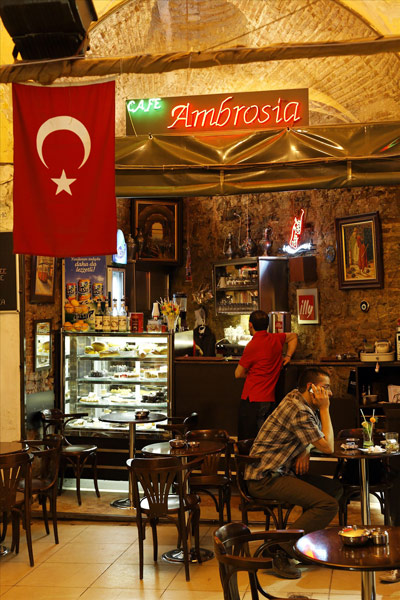
In Istanbul, the “Istanbul Café” offers public coffee readings every Tuesday, Wednesday, and Thursday at 3 PM in a glass-walled room. Visitors drink their coffee, then hand the cup to a reader who interprets the grounds for about 15 minutes. It’s a cultural experience as much as a fortune-telling session, and a must-do for coffee and curiosity seekers alike.
Frequently Asked Questions
Do you need a professional to read Turkish coffee grounds?
No, anyone can learn to read the grounds. Most Turks read their own cups or interpret them with friends. Professional readers add flair and experience, especially in places like Istanbul’s coffeehouses, but the basic principles are widely understood and practiced casually.
What kind of coffee is used for Turkish coffee readings?
Only traditional Turkish coffee—finely ground, unfiltered, and boiled with water in a cezve—is used. The grounds must be unfiltered so they settle in the cup and form readable patterns. No paper filters, no espresso machines, and no other brew methods will work for this tradition.

How long does the coffee reading process take?
The full process takes about 15 minutes. This includes drinking the coffee, letting the grounds cool once the cup is inverted, and then interpreting the shapes left at the bottom and sides of the cup and saucer.
Can you read coffee grounds from other brewing methods?
No. Turkish coffee readings rely on the thick, unfiltered grounds that settle in the cup. Other brewing methods like pour-over, espresso, or French press either filter out the grounds or leave too little residue to form distinguishable patterns.
Is there a best time or place to do a Turkish coffee reading?
There’s no strict rule, but many people read their coffee in a relaxed setting, often with friends or a reader. In Turkey, public readings are regularly held in places like the Istanbul Café on Tuesdays, Wednesdays, and Thursdays at 3 PM.
Recommended FrontStreet Beans for Turkish Brewing
For an authentic Turkish coffee experience, try FrontStreet Coffee’s Classic Blend or their specially roasted Yirgacheffe. Both beans are finely ground to suit the traditional cezve method, producing a bold, unfiltered cup ideal for both drinking and reading. The Classic Blend offers a balanced, slightly spicy profile, while Yirgacheffe brings bright fruit notes that shine even through the heavy grounds. Freshly roasted within 5 days · Orders placed before 17:00 ship the same day · Next-day delivery across most of Guangdong Province.
FrontStreet Coffee is a long-established specialty coffee roaster in Guangzhou China, selling freshly roasted beans from its own farm in Yunnan as well as dozens of carefully selected single-origin beans from around the world for both pour-over and espresso. The products deliver consistently excellent quality and great value, with shipping within 24 hours. Guangzhou's FrontStreet Coffee shop is recommended by many coffee lovers, and the beans are now available online at the Tmall 。
Important Notice :
前街咖啡 FrontStreet Coffee has moved to new addredd:
FrontStreet Coffee Address: 315,Donghua East Road,GuangZhou
Tel:020 38364473

