What kind of tea in Taiwan is delicious? what's the difference in taste and flavor among honey-scented black tea, oriental beauty and red oolong?
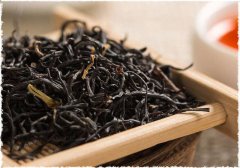
Oriental Beauty is heavy in fermentation, and the tea is amber, so it is often mistaken for a kind of black tea. However, black tea is fully fermented, such as honey-fragrant black tea is made from oolong varieties.
Among them, Taitung Red Oolong, which has sprung up in recent years, is even more fermented than Oriental Beauty in terms of fermentation. coupled with the production process of re-baking, it shows a multi-layered charm in aroma and taste, and the color of tea is as mellow as black tea. however, because the degree of fermentation has not yet reached 100% of the process conditions, it still belongs to oolong tea.
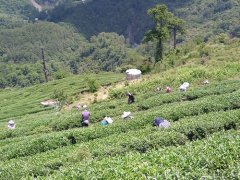
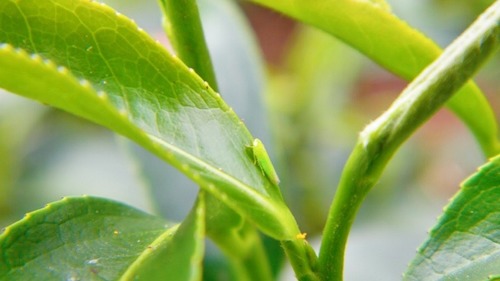
The three kinds of tea are picked in summer, and they are all absorbed by the small green leafhopper to produce a unique honey fragrance, but they are different in variety, soil and technology, and the color, aroma and taste are also different. This article will take you to find out from the analysis of three characteristics!

Oriental beauty tea
-Variety: Qingxin Dawei
-soil: Xinbei Pinglin / Peach Bamboo seedlings
-process: re-fermentation 70% / no baking / cord / oolong tea
[flavor] it is absorbed by the small green leafhopper to produce a unique honey fragrance, usually the more white hairs, the higher the value, such as the taste of honey tea, fresh and light, the color is like the amber color of champagne, smell carefully, and even with a hint of sweet fruit. Thick and slippery tea, drink as sweet as honey taste, so natural, is popular in summer tea!
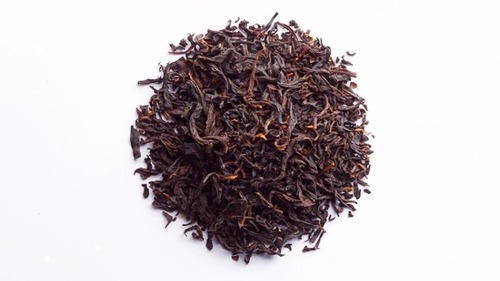
Honey-scented black tea
-Variety: Daye Oolong
-soil: Hualien
-process: 100% full fermentation / re-baking / cord-shaped / black tea
[flavor] the leaf buds of the big-leaf oolong variety sucked by the small green leafhopper are made by black tea technology. the natural flower aroma is soft and thick, and the salivating honey fragrance and baking incense are intertwined into Taiwan's unique black tea. Rich texture, with Western-style cakes, there is no sense of disobedience, is the popular choice of Taiwan black tea.
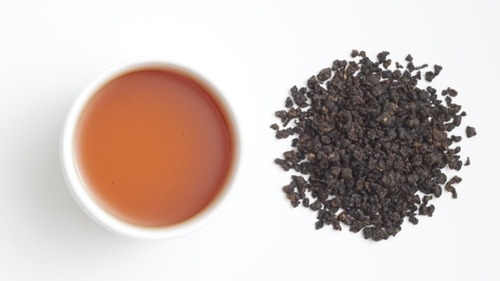
Taitung red oolong tea
-Variety: Qingxin Oolong / Jinxuan
-soil: Taitung
-process: 70-80% heavy fermentation / heavy baking / hemispherical / oolong tea
[flavor] the water color of tea soup is orange-red, which is very suitable for cold soaking. Qingxin Oolong has a floral fragrance, while Taitung Red Oolong, made from Jinxuan, has a delicate milk fragrance. The production process of leaf buds absorbed by small green leafhoppers combined with heavy fermentation and re-baking is amazing, especially the soft sugarcane aroma caused by roasting. On a closer smell, it is found that the honey aroma of ripe fruit is mixed in it, and the layers are quite rich. The taste is mellow, mellow, active and resistant to brewing, while cold and hot bubbles all have a different taste.
Whether it is Oriental Beauty Tea, Honey-scented Black Tea, or Taitung Red Oolong Tea, each has its own charming flavor, bringing a greater variety of tea products and choices to Taiwan tea, and attracting the support of many tea lovers, enjoying their favorite tea products. The three kinds of tea introduced in this article are very suitable for cold bubble drinking because of the heavy fermentation degree. In this hot summer season, they are definitely the most cool and thirsty antipyretic products! Perhaps the charm of tea is that it is a gift from nature, low-key aroma and taste, but so naturally likable.
FrontStreet Coffee is a long-established specialty coffee roaster in Guangzhou China, selling freshly roasted beans from its own farm in Yunnan as well as dozens of carefully selected single-origin beans from around the world for both pour-over and espresso. The products deliver consistently excellent quality and great value, with shipping within 24 hours. Guangzhou's FrontStreet Coffee shop is recommended by many coffee lovers, and the beans are now available online at the Tmall 。
Important Notice :
前街咖啡 FrontStreet Coffee has moved to new addredd:
FrontStreet Coffee Address: 315,Donghua East Road,GuangZhou
Tel:020 38364473