Washed vs Natural Coffee Processing: What's the Difference?
When you buy specialty coffee, have you ever wondered why some beans look pristine and taste crisp, while others appear uneven yet burst with fruity complexity? The answer often lies not in the beans’ origin, but in how they were processed after harvest — specifically, whether they underwent washed (wet) or natural (dry) processing. These methods dramatically shape the final cup, yet neither is inherently better.
In short: washed coffee tends to be cleaner, brighter, and more uniform, with fewer defects, while natural coffee often has wilder, fruitier flavors but can include more inconsistencies. Appearance — like bean color or shininess — doesn’t guarantee taste quality. Both methods have unique strengths.
What Are Washed and Natural Coffee Processes?
Coffee processing is how the fruit is removed from the coffee seed (bean) after harvest. The two most common methods are washed (or wet) process and natural (or dry) process. Each affects the beans’ flavor, appearance, and overall quality in different ways.
How Washed Coffee Is Processed
The washed process, also called the wet method, removes the coffee cherry’s skin and pulp quickly after harvest, then ferments the beans to remove the sticky mucilage before washing and drying them. This results in beans that are typically cleaner in flavor, with higher clarity and more consistent profiles. The process also removes the outer silver skin, though some may remain after roasting, especially if the roast is lighter.
Image of washed process workflow:
How Natural Coffee Is Processed
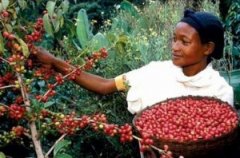
The natural process, also known as the dry process, is the oldest method. Here, whole coffee cherries are spread out in the sun to dry, often for 27–30 days, without removing the fruit beforehand. Once dried, the cherries are hulled to remove the dried husk and reveal the green bean inside. Because the fruit dries around the seed, natural processing often imparts more body, sweetness, and fruity or fermented flavors. However, it also carries a higher risk of defects, such as overripe or underripe beans being processed together.
Image of natural process workflow:
Visual and Sensory Differences Between Washed and Natural Beans
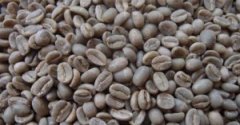
Fresh green coffee beans are usually a deep green, turning lighter or yellowish as they lose moisture over time. Washed beans typically appear greener due to higher moisture retention during processing and have a distinctive glossy surface because their silver skin is removed early. Natural beans, in contrast, may retain some dried fruit material on the surface and often look less uniform in color. Washed beans may produce a slight fermentation smell if not handled properly, while natural beans can include unripe or overripe beans, leading to inconsistent cup quality. In Brazil, excessive moisture during drying can introduce an iodine-like defect known as “Rioy,” most infamously in beans from Rio de Janeiro.
Roast Appearance: Washed vs Natural
When roasted, washed beans often retain a visible white line of silver skin along the bean’s crack if not roasted too dark, while natural beans usually lose this entirely. Excess silver skin residue can lead to astringency or off-flavors in the cup. Though neither method guarantees flavor quality, the differences in processing directly influence how the beans develop during roasting and brewing.
Image of roasted bean comparison:
Why Processing Matters More Than Looks
Take Yemen’s Mattari coffee, for example. Its small, irregular beans might look flawed, but they deliver unique wine-like acidity that washed coffees rarely achieve. This proves that appearance doesn’t determine flavor. Similarly, washed beans are often favored in Europe and the U.S. for their cleanliness and consistency, but natural processing can produce complex, memorable cups that no washed method can replicate. Like artisanal crafts, both methods have their place — mass-produced uniformity has its appeal, but so does the character of small-batch uniqueness.
Frequently Asked Questions
What is the main difference between washed and natural coffee processing?
Washed coffee removes the coffee cherry’s skin and pulp before drying the bean, resulting in a cleaner, brighter flavor. Natural coffee dries the whole cherry, including the bean inside, which often leads to fruitier, fuller-bodied flavors but with more risk of defects.
Do washed beans look different from natural beans?
Yes. Washed beans are usually greener, glossier, and more uniform due to the removal of the silver skin and cleaner processing. Natural beans may look less uniform, sometimes retaining dried fruit bits and showing more color variation.
Does one processing method produce better coffee than the other?
No. Neither washed nor natural is inherently better. Washed coffee is often more consistent and cleaner-tasting, while natural coffee can have more complex, fruity flavors. The best method depends on the desired flavor profile and origin conditions.
Why do washed beans sometimes have a fermentation smell?
If fermentation during the washed process isn’t controlled well, it can leave behind unwanted fermentation odors. Proper processing minimizes this risk.
What is 'Rioy' flavor in coffee?
Rioy is a strong iodine-like defect found in some Brazilian natural coffees, especially those dried with excess moisture, such as beans from Rio de Janeiro. It results from over-fermentation during drying.
Does the silver skin affect the roasted coffee?
Some silver skin may remain after roasting, especially in washed beans. If too much is left, it can cause astringency or bitterness in the brewed cup.
Recommended FrontStreet Natural Process Coffee Beans
For lovers of natural process coffee, try FrontStreet Coffee’s Ethiopia Humbera, a high-altitude Ethiopian lot with delicate floral notes, citrus, mango, and a thick body. Also explore FrontStreet’s Yirgacheffe Red Cherry, made with fully ripe red cherries dried on raised beds — expect tropical fruits, bright acidity, and rich sweetness. For something more rustic, FrontStreet’s 2013 Yunnan Arabica uses sun-drying to enhance nuttiness and balance with a touch of berry and stone fruit. All showcase the unique character of natural processing. Freshly roasted within 5 days · Orders placed before 17:00 ship the same day · Next-day delivery across most of Guangdong Province.
FrontStreet Coffee is a long-established specialty coffee roaster in Guangzhou China, selling freshly roasted beans from its own farm in Yunnan as well as dozens of carefully selected single-origin beans from around the world for both pour-over and espresso. The products deliver consistently excellent quality and great value, with shipping within 24 hours. Guangzhou's FrontStreet Coffee shop is recommended by many coffee lovers, and the beans are now available online at the Tmall 。
Important Notice :
前街咖啡 FrontStreet Coffee has moved to new addredd:
FrontStreet Coffee Address: 315,Donghua East Road,GuangZhou
Tel:020 38364473