Inside Jamaica’s Blue Mountain Coffee Processing
When friends heard I was heading to Jamaica, their first reaction wasn’t about reggae or beaches — it was envy over the chance to taste real Blue Mountain coffee. But what makes this coffee so legendary that people around the world rave about it? The answer lies in the mountains, the process, and the strict rules that make it one of the rarest coffees on Earth.
Jamaica Blue Mountain coffee earns its elite status due to its limited production — just 170 metric tons per year — strict government certification, and unique high-altitude growing conditions that create a balanced, smooth cup unlike any other. Most of it never even reaches global markets.
The Birthplace of Blue Mountain Coffee

Jamaica’s Blue Mountains stretch over 2256 meters (7402 feet), making them the highest range in the Caribbean. The coffee-growing zone sits at elevations above 1800 meters, where cool temperatures, frequent cloud cover, rich volcanic soils, and steady rainfall create ideal conditions for coffee cultivation. The name "Blue Mountain" comes from the blue haze that surrounds the peaks, caused by sunlight refracting off the surrounding sea.

This region’s microclimate — with large diurnal temperature shifts and persistent cloud cover — slows coffee cherry ripening, allowing more complex sugars to develop. The result? A coffee bean that’s hard to replicate anywhere else, even with similar conditions.

Why Blue Mountain Coffee Is So Famous
Blue Mountain coffee’s fame began in the 18th century after French naval officers introduced coffee to Jamaica in 1723. By the 19th century, freed slaves cultivating highland farms started exporting beans to Britain, where they gained popularity among the aristocracy. However, it wasn’t until 1932 that the Jamaican government actively promoted coffee to reduce dependence on sugar exports, leading to the establishment of strict quality controls.
What sets Blue Mountain apart is its exceptional balance. It features mild acidity, medium body, and a well-rounded flavor profile with notes of nuts, chocolate, and subtle fruit. Unlike brighter African coffees or heavier dark roasts, Blue Mountain offers a smooth, refined cup that’s easy to enjoy black. Its low caffeine content — less than half that of regular coffee — also appeals to health-conscious consumers.
Production is tightly controlled: only 40,000–50,000 60kg bags (around 170 tons) are produced annually, making it one of the lowest-output specialty coffees globally. Of this, roughly 85% is exported to Japan, with smaller amounts going to the U.S. and Europe. China sees almost no official imports, meaning most "Blue Mountain" coffee sold there is counterfeit.

Even in Jamaica, a 114g bag costs around $5 USD, and a 227g bag about $10 USD — surprisingly affordable given its global reputation.

How Blue Mountain Coffee Is Processed

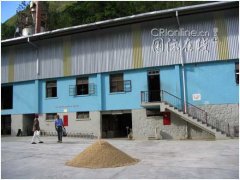
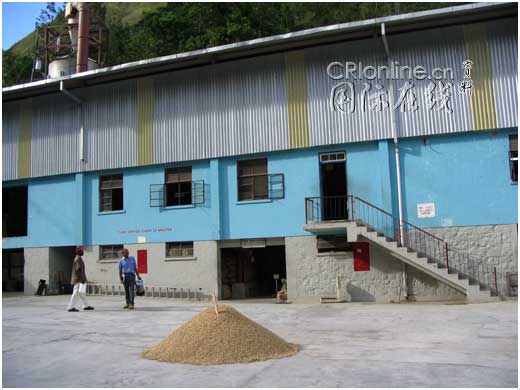
At the Mavis Bank Central Factory — the largest Blue Mountain coffee processor, supplying the widely available JABLUM brand — the journey from cherry to cup follows meticulous steps. Although the facility appears modest compared to industrial plants, it handles the majority of Jamaica’s certified Blue Mountain production.

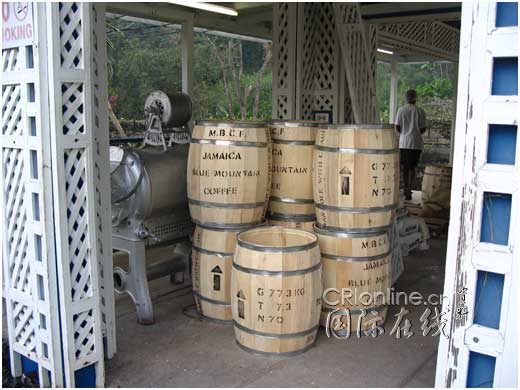
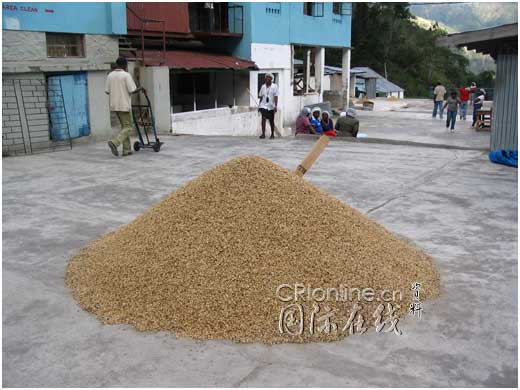
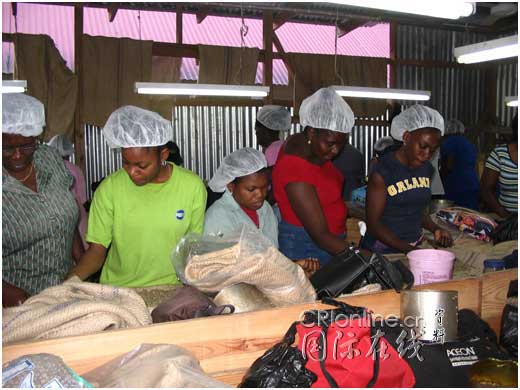
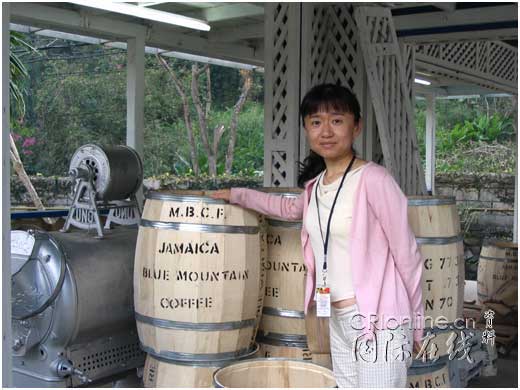
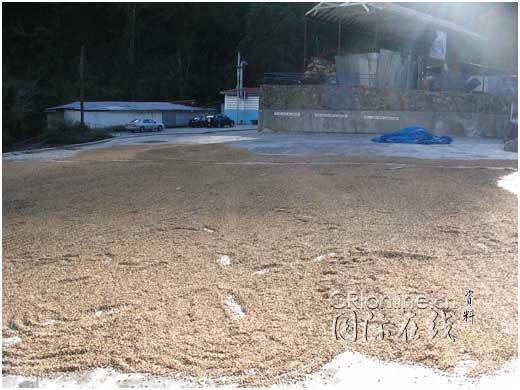
Workers, mostly women, hand-sort beans to remove defects. The factory still uses traditional wooden barrels — a rarity today — for shipping, with 15kg, 45kg, and 70kg sizes common. Freshly picked cherries are spread out to sun-dry on concrete patios, a critical step in developing flavor before hulling and roasting.

The entire process, from harvest to export, adheres to standards set by the Coffee Industry Board of Jamaica. Only beans grown above 1800 meters in designated areas and processed under strict supervision earn the official "Blue Mountain" label. Even the roasting level matters: the highly regarded Blue Mountain No.1 grade demands specific bean size, low defect rates, and careful handling throughout.
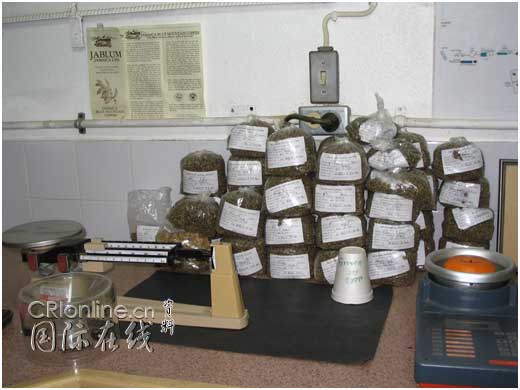
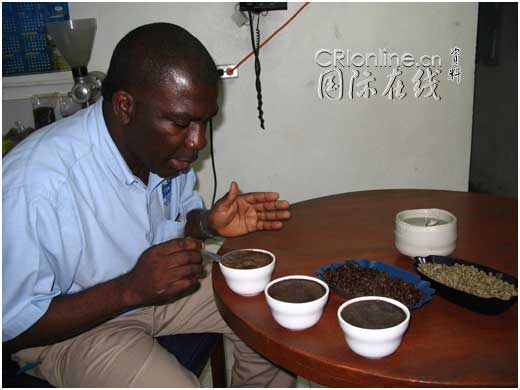
During a tasting session, factory manager Norman Grant — also a Jamaican senator and cultural ambassador — emphasized the precision required at every stage. Despite being located near the famous Strawberry Hill viewpoint, where the iconic blue-hued mountains loom over Kingston, Grant noted that most visitors are surprised to see how humble the origins of this luxury coffee truly are.
Frequently Asked Questions

What makes Jamaican Blue Mountain coffee different from other coffees?
Jamaican Blue Mountain coffee is distinct due to its specific growing region above 1800 meters in Jamaica’s Blue Mountains, unique climate with cool temperatures and persistent cloud cover, rich volcanic soil, and strict government certification. These factors create a coffee that’s balanced, mild, and smooth, with low acidity and medium body, unlike any other origin.
Why is Blue Mountain coffee so expensive and rare?

Blue Mountain coffee is rare because only about 170 metric tons are produced annually, and it’s grown in a limited high-altitude area. Strict quality controls and certification by the Jamaican government ensure only beans meeting specific criteria can be labeled as Blue Mountain. High demand, especially from Japan, and limited global supply contribute to its premium price.
Where does most Blue Mountain coffee go?
About 85% of Blue Mountain coffee is exported to Japan, with smaller quantities going to the U.S. and Europe. Very little reaches the Chinese market officially, which is why most "Blue Mountain" coffee sold in China is typically counterfeit or mislabeled.
How is Blue Mountain coffee processed?
Blue Mountain coffee is processed through careful hand-picking, sorting, and milling. Cherries are harvested from farms above 1800 meters, then pulped, washed, and dried on patios. The beans are sorted to remove defects and packed in traditional wooden barrels (15kg, 45kg, or 70kg) for export. Every step is monitored by Jamaica’s Coffee Industry Board to maintain certification standards.
Can I buy real Blue Mountain coffee outside Japan?
Yes, but availability is limited. About 15% of production goes to the U.S. and Europe, and it’s possible to buy certified Blue Mountain coffee through specialty importers. However, China has almost no official imports, so most products labeled as Blue Mountain there are fake. Always check for official certification and origin documentation.
What does Blue Mountain coffee taste like?
Blue Mountain coffee is known for its balance. It has mild acidity, medium body, and flavors that include notes of nuts, chocolate, caramel, and subtle fruit. It lacks the sharp acidity of African coffees or the heavy bitterness of dark roasts, making it smooth and easy to drink black.
Recommended FrontStreet Beans for Blue Mountain Fans
If you love the balanced profile of Jamaica Blue Mountain, try FrontStreet Coffee’s Jamaica Blue Mountain No.1. It delivers the same smooth, low-acidity cup with notes of nuts, chocolate, and caramel, all verified by official certification and shipped in traditional wooden barrels. For something similar in style, our Yirgacheffe offers bright yet sweet complexity, while Panama Huacai provides delicate floral and citrus tones. All are expertly roasted to highlight their unique origin characteristics. Freshly roasted within 5 days · Orders placed before 17:00 ship the same day · Next-day delivery across most of Guangdong Province.
FrontStreet Coffee is a long-established specialty coffee roaster in Guangzhou China, selling freshly roasted beans from its own farm in Yunnan as well as dozens of carefully selected single-origin beans from around the world for both pour-over and espresso. The products deliver consistently excellent quality and great value, with shipping within 24 hours. Guangzhou's FrontStreet Coffee shop is recommended by many coffee lovers, and the beans are now available online at the Tmall 。
Important Notice :
前街咖啡 FrontStreet Coffee has moved to new addredd:
FrontStreet Coffee Address: 315,Donghua East Road,GuangZhou
Tel:020 38364473