What Makes Jamaican Blue Mountain Coffee So Special?
When you hear someone praise 'the best coffee in the world,' chances are they’re talking about Jamaica Blue Mountain. But what exactly makes this coffee so legendary that it commands premium prices and limited availability worldwide? The answer lies not just in its taste, but in where—and how—it’s grown.
Jamaica Blue Mountain coffee is rare, strictly regulated, and grown only at elevations above 1,800 meters on the Blue Mountain range in Jamaica. Annual production is under 170 metric tons, and every bean is certified by the Jamaican Coffee Industry Board—making it one of the most exclusive coffees on Earth.
The Birthplace of Blue Mountain Coffee

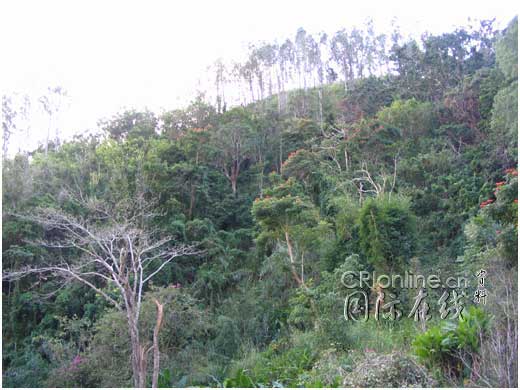
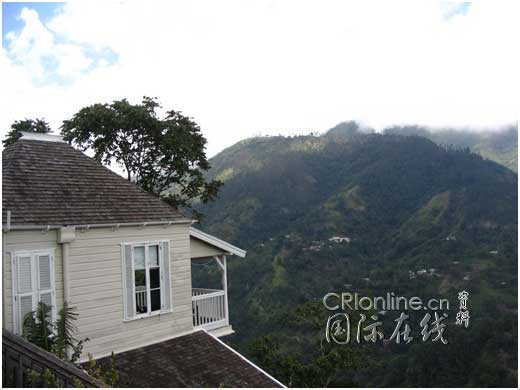
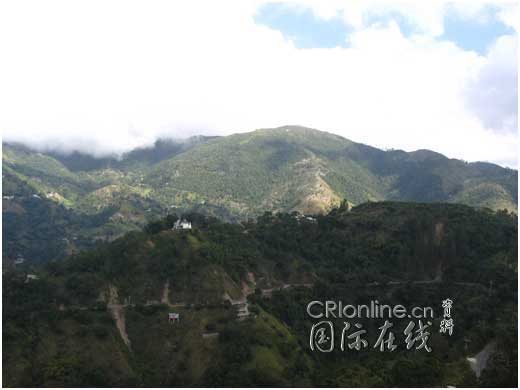
The story begins on the Blue Mountains of Jamaica, visible from Kingston on clear days despite often being shrouded in mist. The mountains rise over 1,800 meters, with the highest peak, Blue Mountain Peak, reaching 2,256 meters—making it the tallest in the Caribbean. This elevation, combined with rich volcanic soil and consistent cloud cover, creates ideal conditions for growing specialty-grade coffee.
The name 'Blue Mountain' reportedly comes from British soldiers in the 18th century who saw the range glowing blue through the sea mist reflected off the surrounding Caribbean waters. These same climatic factors—cool temperatures, high humidity, and large diurnal temperature shifts—slow coffee cherry maturation, leading to denser beans with more complex sugars.

Why Is Blue Mountain Coffee So Famous?
Blue Mountain coffee earned its elite reputation during the 18th and 19th centuries, when it was cultivated by freed slaves in the island’s highlands and exported to the UK, winning acclaim among British aristocrats. However, its modern fame is also tied to deliberate supply constraints. Unlike Brazil—which produces over 30 million 60kg bags annually—Jamaica produces just 40,000 60kg bags (around 170 metric tons) of Blue Mountain coffee per year.

The Jamaican government enforces rigorous quality controls through the Coffee Industry Board. Only beans grown at 1,800 meters or higher, processed to exacting standards, and certified can be labeled 'Jamaica Blue Mountain.' Most of the coffee isn’t even available on the open market; top lots are reserved for royal families and private collectors. Of the limited export supply, around 85% goes to Japan, with smaller amounts to Europe and almost none to China outside official channels.
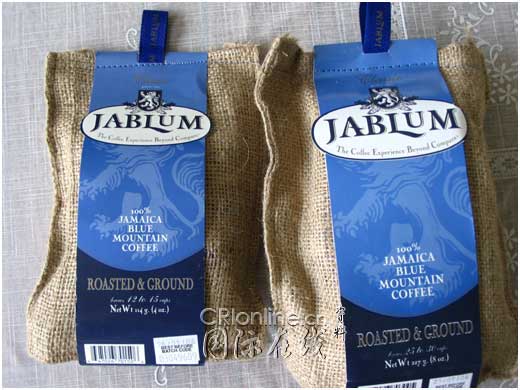
Despite its prestige, Blue Mountain coffee remains relatively affordable in Jamaica—at around $5 for an 114g pack or $10 for 227g in supermarkets—highlighting how perception and scarcity drive global pricing more than local cost.
Inside a Real Blue Mountain Coffee Mill
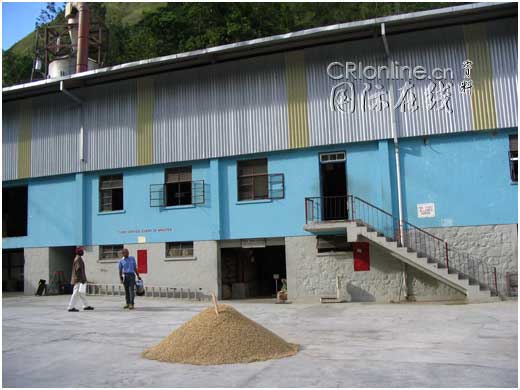
One of the key facilities behind Jamaica’s signature coffee is the Mavis Bank Central Factory, producer of the widely sold JABLUM brand. Though modest in size—with just a small two-story processing building and a sorting room—it processes the majority of certified Blue Mountain coffee and welcomes visitors eager to see the production process firsthand.
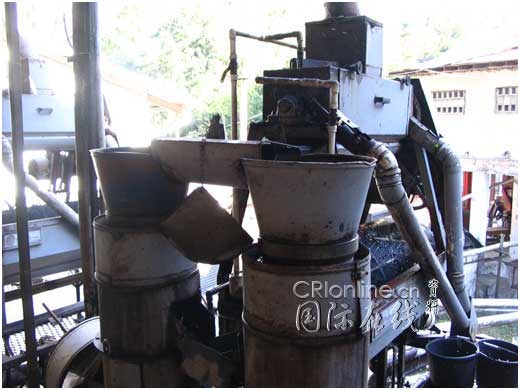
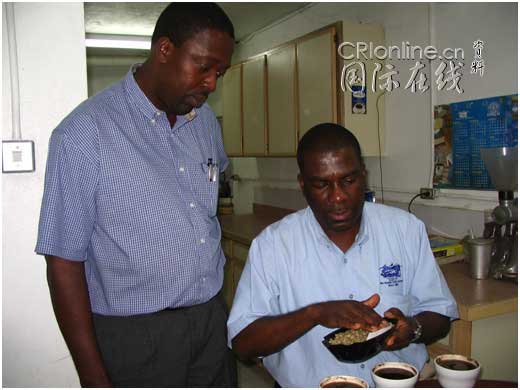
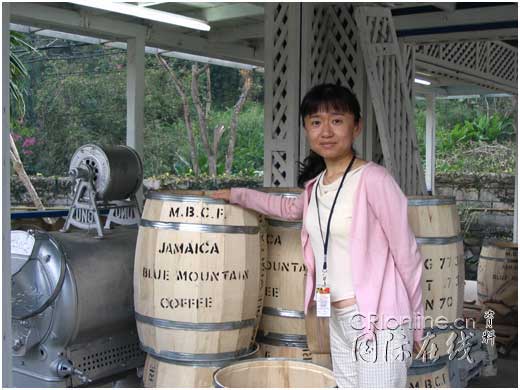
Factory manager Norman Grant, a fourth-generation coffee expert and also a Jamaican senator, personally gave a tour despite our visit being after regular hours. Workers manually sort beans by hand, a practice critical for maintaining quality. The facility still uses traditional wooden barrels—typically in 15kg, 45kg, and 70kg sizes—for shipping, a rarity today and a key marker of authenticity. Freshly picked beans dry in the sun on concrete patios before moving to controlled fermentation and washing.
Grant emphasized that every step, from cultivation at high altitudes to wet processing, drying, hulling, and roasting, follows strict protocols. While some mechanization exists, much of the work—including sorting and initial harvesting—relies on skilled labor. The factory’s JABLUM-brand coffee dominates local supermarket shelves and is a common introduction to Blue Mountain for both locals and tourists.



How to Identify Authentic Blue Mountain Coffee
With so much counterfeit 'Blue Mountain' coffee in global markets, verification is essential. True Jamaica Blue Mountain coffee will come with certification from the Jamaican Coffee Industry Board—not just a label. In physical markets, look for traditional wooden shipping barrels, which are still used exclusively by Jamaica. These barrels (15kg, 45kg, and 70kg) are a sign of legitimate product.
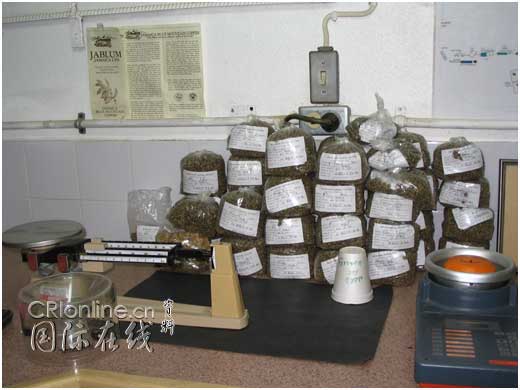
Importers with proper documentation and traceable origin records are your safest bet. In China, almost all 'Blue Mountain' coffee is fake unless it comes with these certificates. Even in Jamaica, most high-grade Blue Mountain lots are pre-sold to elite buyers; only a fraction ever reaches global retail.
Frequently Asked Questions
What makes Blue Mountain coffee different from other coffees?
Blue Mountain coffee is grown at elevations above 1,800 meters in Jamaica’s Blue Mountains, resulting in a balanced cup with mild acidity, medium body, and notes of nuts, cocoa, and citrus. Its unique climate—cool temperatures, high humidity, and dense cloud cover—slows cherry development, creating a denser bean with more refined sweetness and smoother bitterness compared to lower-altitude coffees.
Where is Blue Mountain coffee actually grown?
Authentic Blue Mountain coffee is grown only in the Blue Mountain range in eastern Jamaica, primarily at elevations between 1,800 and 2,256 meters. The region’s volcanic soil, consistent rainfall, and cool temperatures create ideal conditions for cultivating high-quality Arabica coffee that meets strict Jamaican regulatory standards.

How much Blue Mountain coffee is produced each year?
Jamaica produces approximately 40,000 60kg bags of Blue Mountain coffee annually, equal to around 170 metric tons. This extremely limited output is one of the main reasons for its high price and exclusivity on the global market.
Why is most Blue Mountain coffee sent to Japan?
Nearly 85% of Jamaica’s Blue Mountain coffee is exported to Japan, a result of long-standing trade relationships. Japanese importers have secured the majority of available supply for decades, leaving only a small portion for Europe and almost none for China outside of official certification channels.
How can I tell if my Blue Mountain coffee is real?
Real Jamaica Blue Mountain coffee comes with certification from the Jamaican Coffee Industry Board. Look for documentation or traceable origin details from your supplier. In physical stores, authentic product is often shipped in traditional wooden barrels (15kg, 45kg, or 70kg). If your coffee lacks certification or these markers, it’s likely not genuine Blue Mountain.
What does Blue Mountain coffee taste like?
High-quality Blue Mountain coffee offers a well-balanced flavor with mild acidity, medium body, and notes of nuts, chocolate, caramel, citrus, and honey. It lacks the sharp fruitiness of African beans or the heavy bitterness of dark roasts, making it smooth and approachable, often described as the 'most drinkable' specialty coffee.
Recommended FrontStreet Beans for Blue Mountain Fans
If you love the balanced profile of Jamaica Blue Mountain, try FrontStreet Coffee’s Jamaica Blue Mountain No.1. It features notes of nuts, black chocolate, and creamy caramel with a smooth, low-acid profile. For something comparable in balance but different origin, our Ethiopia Huakui offers bright yet sweet complexity, while the PWN Golden Mandheling delivers heavy body and low acidity with earthy richness. All are expertly roasted to highlight their unique profiles. Freshly roasted within 5 days · Orders placed before 17:00 ship the same day · Next-day delivery across most of Guangdong Province.
FrontStreet Coffee is a long-established specialty coffee roaster in Guangzhou China, selling freshly roasted beans from its own farm in Yunnan as well as dozens of carefully selected single-origin beans from around the world for both pour-over and espresso. The products deliver consistently excellent quality and great value, with shipping within 24 hours. Guangzhou's FrontStreet Coffee shop is recommended by many coffee lovers, and the beans are now available online at the Tmall 。
Important Notice :
前街咖啡 FrontStreet Coffee has moved to new addredd:
FrontStreet Coffee Address: 315,Donghua East Road,GuangZhou
Tel:020 38364473