What Makes Jamaican Blue Mountain Coffee So Special?
When you hear "Blue Mountain coffee," you might picture a luxurious cup enjoyed by royalty — and you wouldn’t be far off. But what exactly makes this coffee so legendary? Is it the taste, the rarity, or something else entirely? If you’ve ever wondered why Blue Mountain coffee commands such prestige and price, this is where the story begins.
The short answer: Blue Mountain coffee comes exclusively from Jamaica’s Blue Mountains at elevations above 1800 metres, is grown under strict government regulations, and is produced in tiny quantities — just 40,000 bags (about 170 metric tonnes) per year. Its unique climate, limited supply, and certified processing make it one of the rarest and most balanced coffees in the world.
The Birthplace of Blue Mountain Coffee
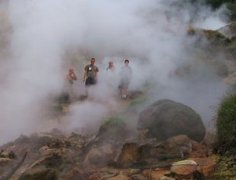
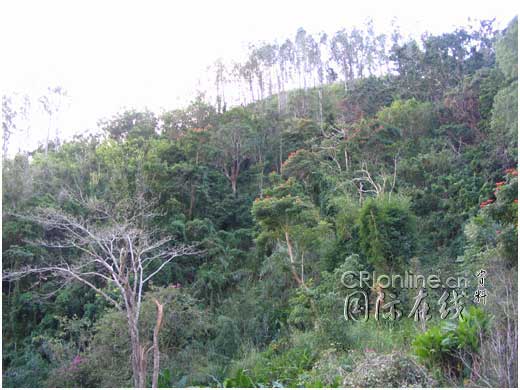
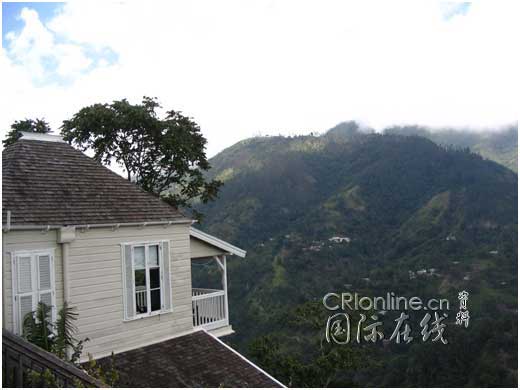
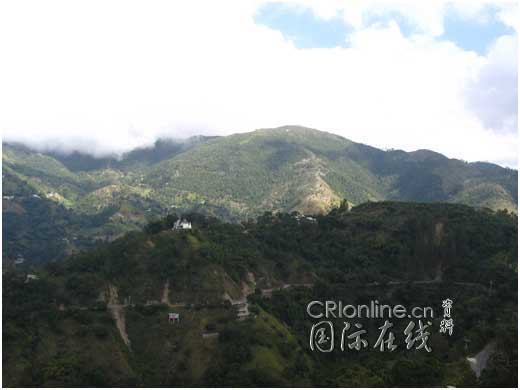
Jamaica’s Blue Mountain coffee is grown in the Blue Mountains, which rise over 1800 metres above sea level, with the highest peak reaching 2256 metres — the tallest in the Caribbean. The name "Blue Mountain" reportedly comes from how British soldiers in the 18th century saw the range glowing blue through the mist from Kingston. The region’s high altitude, volcanic soil, frequent rainfall, cool temperatures, and daily cloud cover create near-perfect conditions for coffee cultivation.
The area’s microclimate offers big diurnal temperature shifts, extended cherry ripening periods, and consistent moisture — all crucial factors in developing the coffee’s signature smoothness and balance. The coffee plants here grow slower, allowing more time for complex sugars and acids to develop. That’s why beans grown even a few hundred metres lower don’t achieve the same quality.
How Blue Mountain Coffee Got Famous
Blue Mountain coffee’s global reputation began in the 18th century after French officers introduced coffee to Jamaica in 1723. By the 19th century, freed slaves started cultivating coffee in the mountains and exporting it to Britain, where it gained popularity among the upper class. However, it wasn’t until 1932, when the Jamaican government actively promoted coffee to reduce reliance on sugar exports, that the industry began to formalize.
What sets Blue Mountain apart isn’t just its taste — it’s also its extremely low caffeine content (less than half that of most coffees), its scarcity, and the rigorous certification process required to use the “Blue Mountain” name. Annual production is tiny compared to global leaders like Brazil, which produces 30 million 60kg bags annually. Jamaica produces just 40,000 bags (around 170 tonnes). Every sack must be approved by the Jamaica Coffee Industry Board to earn the official Blue Mountain label.
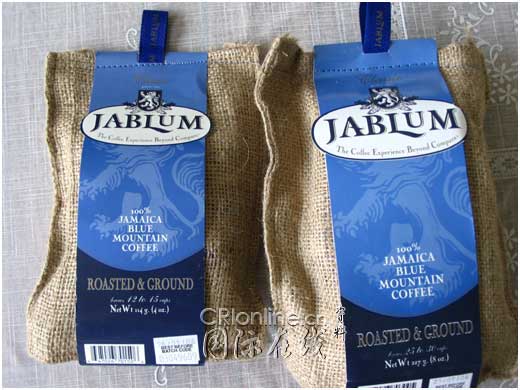
Most of the coffee — around 85% — is exported to Japan, with smaller amounts going to the U.S. and Europe. Surprisingly, very little reaches China through official channels, meaning almost all “Blue Mountain coffee” sold there is fake. Ironically, while it’s considered a luxury elsewhere, in Kingston supermarkets a 114g pack sells for around $5 USD, and 227g for about $10 USD.
Inside a Real Blue Mountain Coffee Processing Factory
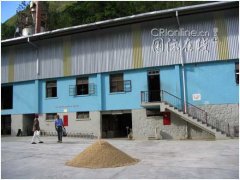
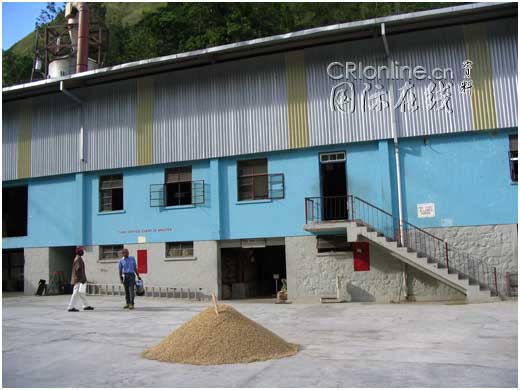
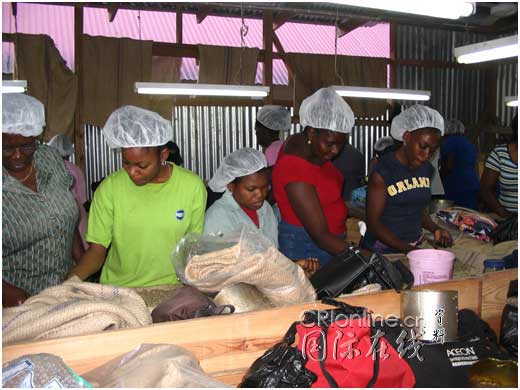
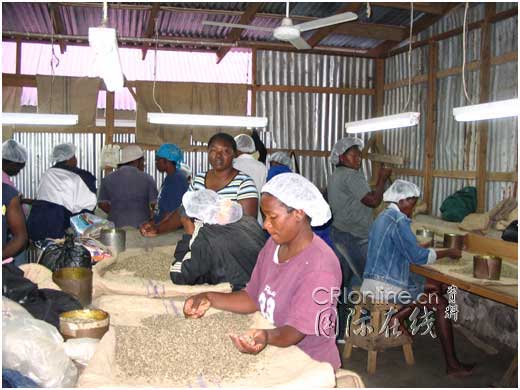
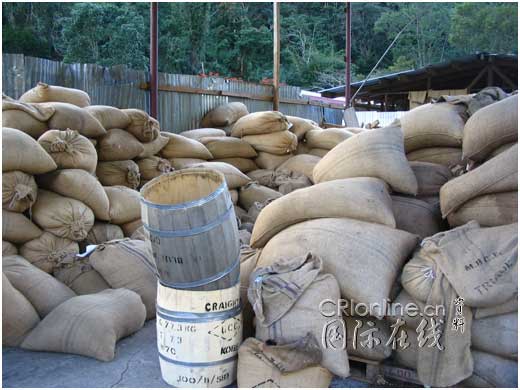
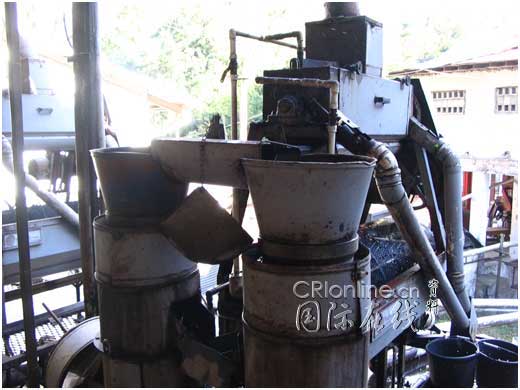
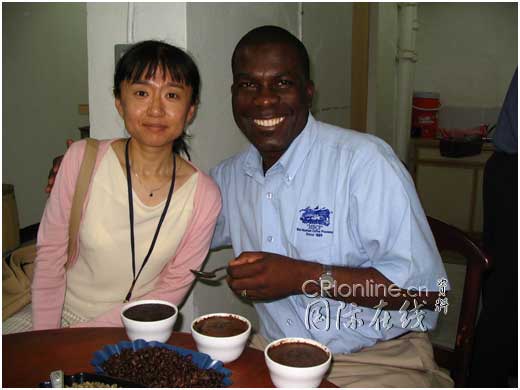
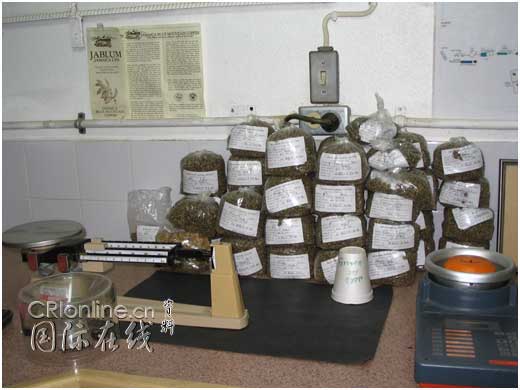
To see how Blue Mountain coffee becomes what it is, you have to visit a processing factory — like the MAVIS BANK CENTRAL FACTORY, home to the widely distributed JABLUM brand. Though modest in size, with just a two-storey building and a sorting room, it’s actually the largest processing facility on the island. The factory is open to visitors and offers a rare look into authentic Blue Mountain production.
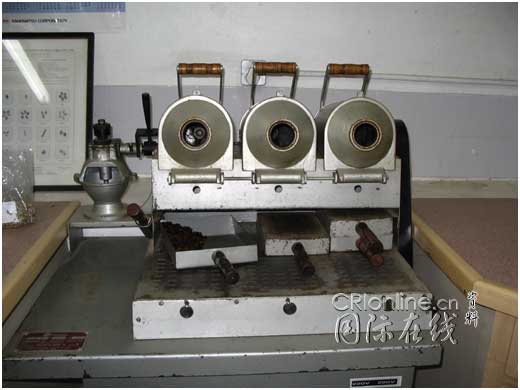
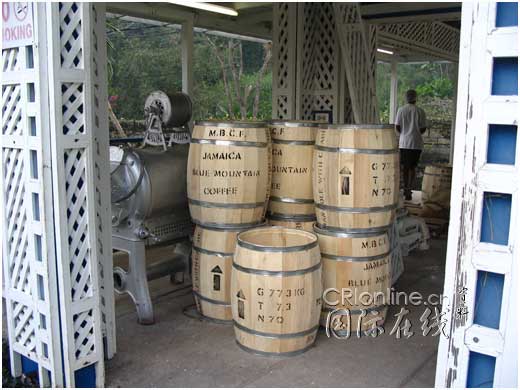
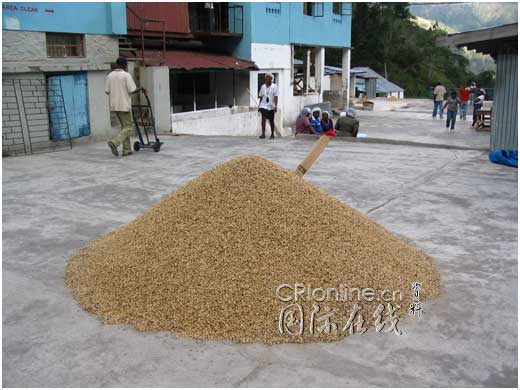
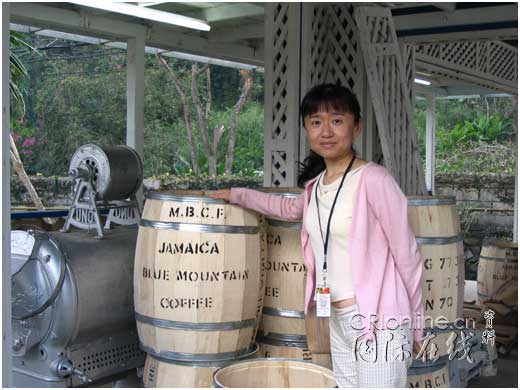
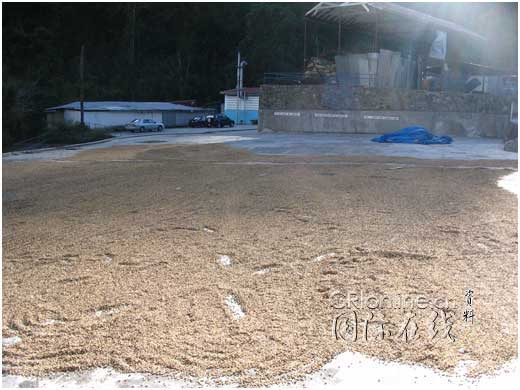
Here, workers — mostly women — hand-sort beans under strict quality control. Even the coffee is transported in traditional wooden barrels, a practice almost extinct elsewhere. These barrels, used for both domestic and export shipments, are a key part of preserving bean quality. Outside, freshly picked coffee dries on the ground before processing. Every step, from harvest to roasting, follows strict guidelines.
The factory’s flagship JABLUM brand accounts for most of the island’s retail coffee sales. While the manager, Norman Grant — a senator, cultural official, and fourth-generation coffee expert — says the best grades rarely reach open markets, the ones that do are certified and highly regulated. He also noted strong interest in entering the Chinese market, offering humourous optimism about future exports.
What Defines Blue Mountain Coffee Quality?
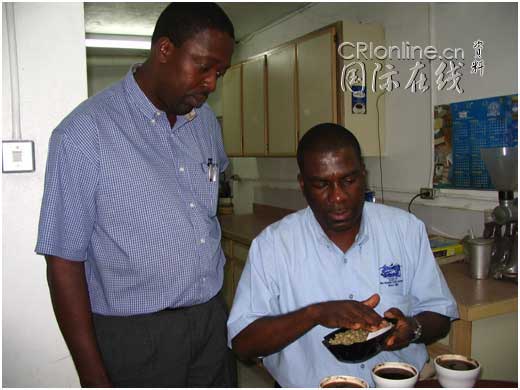
Blue Mountain coffee isn’t just about where it’s grown — it’s about how it’s processed. Every stage, from picking to washing, hulling, and roasting, is done by hand and follows exacting standards. Only beans grown at elevations above 1800 metres in the defined Blue Mountain region and certified by the Jamaica Coffee Industry Board can be called “Jamaica Blue Mountain Coffee.”
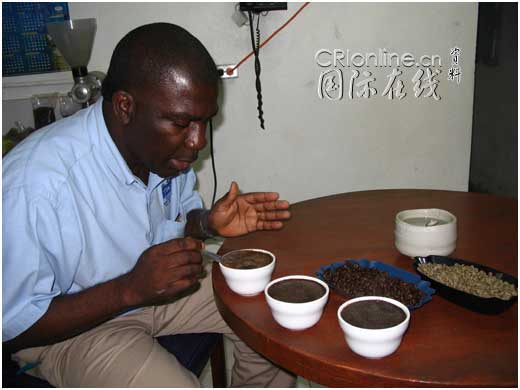
The coffee is known for its exceptional balance. Unlike bright Ethiopian coffees or heavy Sumatran roasts, Blue Mountain offers a smooth, well-rounded profile with no single dominant flavour. Notes often include nuts, chocolate, caramel, mild fruit, honey, and floral hints. It’s typically enjoyed as a black pour-over to appreciate its clean, sweet finish and velvety mouthfeel.
The limited production — under 2500 tonnes per year — and Japan’s historical dominance in purchasing over 70% of the crop make global availability scarce. That scarcity, along with its protected status, is why Blue Mountain coffee maintains its elite reputation and premium pricing.
Frequently Asked Questions
What makes Blue Mountain coffee different from other Jamaican coffees?
Blue Mountain coffee is grown only in Jamaica’s Blue Mountain region at elevations above 1800 metres and must be certified by the Jamaica Coffee Industry Board. Other Jamaican coffees may come from lower altitudes or different regions and aren’t subject to the same strict criteria.
Why is Blue Mountain coffee so expensive?
Its high price is due to limited production (just 170 tonnes per year), strict quality controls, labour-intensive hand-processing, and high global demand — especially from Japan, which buys the majority. The combination of scarcity and certification adds to the cost.
Where is most Blue Mountain coffee exported?
About 85% of Blue Mountain coffee is exported to Japan, with smaller portions going to the U.S. and Europe. Very little enters the Chinese market officially, so most “Blue Mountain” coffee sold in China is not authentic.
Can I brew Blue Mountain coffee any way I want?
Because of its balanced profile, Blue Mountain coffee works well with almost any brew method — pour-over, French press, moka pot, or espresso. Many prefer pour-over to highlight its subtle sweetness and clean finish.
What does Blue Mountain coffee taste like?
It’s known for its smooth, well-balanced flavour with notes of nuts, chocolate, caramel, honey, mild fruit, and floral tones. It has low acidity and medium body, making it easy to drink black.
How much coffee does Jamaica produce compared to other countries?
Jamaica produces just 40,000 60kg bags (around 170 tonnes) of Blue Mountain coffee annually, compared to Brazil’s 30 million bags. It’s one of the smallest coffee-producing countries in the world by volume.
Recommended FrontStreet Coffee for Blue Mountain Fans
If you love the balanced profile of Blue Mountain coffee, try FrontStreet Coffee’s Jamaica Blue Mountain No.1. It delivers the same smooth, low-acidity cup with notes of nuts, chocolate, and caramel. For something local but equally refined, our Yirgacheffe offers bright yet sweet complexity, while the Ethiopia Huakui brings floral and fruity layers. All are available as single-origin beans with full traceability. Freshly roasted within 5 days · Orders placed before 17:00 ship the same day · Next-day delivery across most of Guangdong Province.
FrontStreet Coffee is a long-established specialty coffee roaster in Guangzhou China, selling freshly roasted beans from its own farm in Yunnan as well as dozens of carefully selected single-origin beans from around the world for both pour-over and espresso. The products deliver consistently excellent quality and great value, with shipping within 24 hours. Guangzhou's FrontStreet Coffee shop is recommended by many coffee lovers, and the beans are now available online at the Tmall 。
Important Notice :
前街咖啡 FrontStreet Coffee has moved to new addredd:
FrontStreet Coffee Address: 315,Donghua East Road,GuangZhou
Tel:020 38364473