How Coffee Beans Are Processed: Natural vs Washed Methods
Ever wondered why some coffees taste clean and bright while others are syrupy and fruity? The secret isn’t just in the roast or origin—it starts with how the coffee bean is processed after harvest. Whether it’s dried in the sun or washed clean right away, the method dramatically affects price, flavor, and quality.
There are two main ways to prepare coffee beans for roasting: the natural (dry) process, which is cheaper and often used for lower-grade beans, and the washed (wet) process, which demands more effort but typically yields higher-quality results.
What Is Coffee Bean Processing?
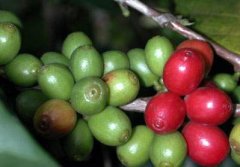
Before coffee can be roasted, the fruit around the bean—called the cherry—must be removed and the bean stabilized. This is done through either natural or washed processing. The choice impacts everything from cost to cup profile. Most Arabica beans are washed, while natural processing is common in Brazil, Ethiopia, and parts of Indonesia for Robusta.
Natural (Dry) Processing: Sun-Dried Simplicity
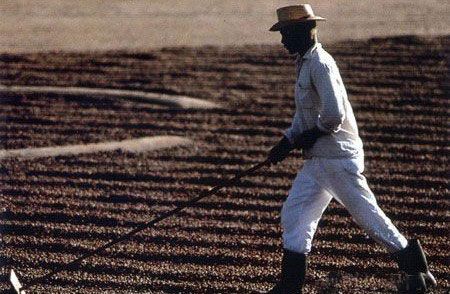
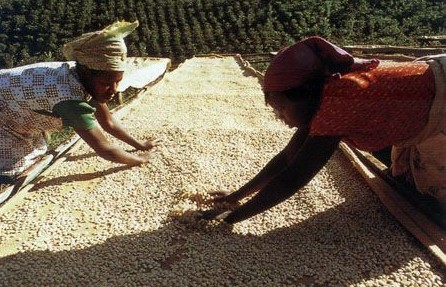
The natural process is the oldest, simplest, and cheapest method. Harvested coffee cherries are spread out on concrete, brick, or matting surfaces—ideally under the sun. Workers regularly rake the cherries to prevent fermentation. If rain or cold hits, they’re covered. Over about four weeks, the cherries dry until their moisture content drops to roughly 12%. At this point, the outer skin turns dark brown and brittle, and you can hear the beans rattling inside. In Brazil, these dried cherries are nicknamed 'coco.' The beans must then rest in a cool place to let remaining moisture evaporate further. But getting it right is tricky: over-drying makes beans brittle and prone to damage during hulling, while under-drying risks mold and fermentation.
Washed (Wet) Processing: Precision for Quality
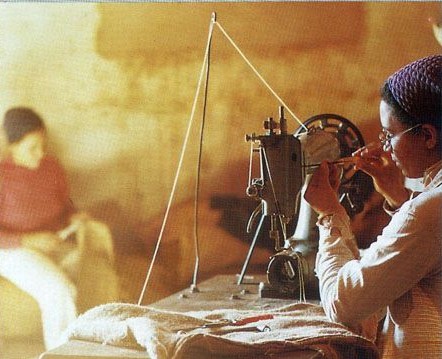
Washed processing is more expensive and labor-intensive but generally produces higher-quality beans. Here, the cherry’s flesh is removed within 12–24 hours of harvest using a pulper. Speed is critical—if left too long, the fruit sticks and damages the bean. The sticky mucilage (a sugary layer) is then broken down via fermentation, which takes 12–36 hours depending on temperature and enzyme activity. Fermented beans feel rough like pebbles when ready. After washing, the beans still sit inside their protective parchment skin with about 15% moisture. They’re then dried—either on patios like in the natural method, or using mechanical dryers or shaded sun drying for 12–15 days—to reach a stable 11% moisture. This ‘parchment coffee’ state is how most beans are stored and shipped, protected from humidity and heat.
From Parchment to Export: Hulling, Sorting, and Grading
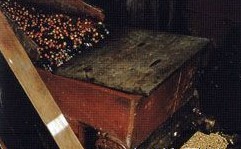
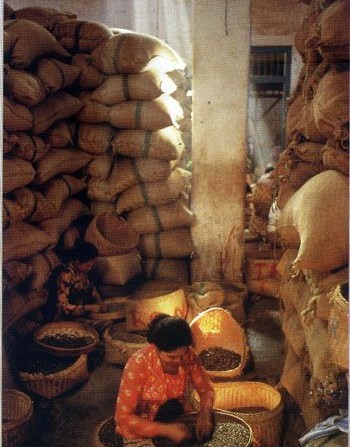
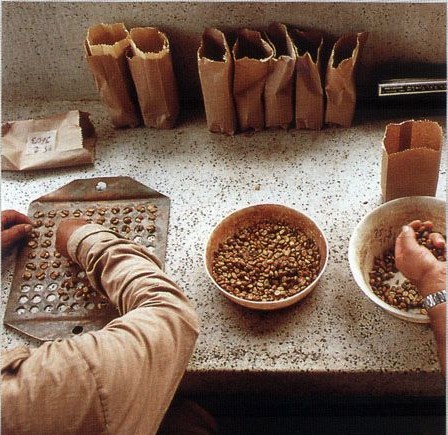
Before export, parchment coffee is hulled to remove the final layer—the thin, silvery skin called the silver skin—and polished (optional) to improve appearance. Hulling is done with either friction or pressure machines, depending on the process used. Sorting happens by size (using sieves), density (via air or gravity tables), and visual defects (human eye or electronic color sorters). Grading systems vary by country, but common criteria include bean size (e.g., 10–20 or AA), density, and altitude (e.g., SHB for Strictly Hard Bean grown above 1,200 meters). Defects like black, sour, or broken beans are removed. Despite tech advancements, skilled human eyes remain the most reliable sorting tool.
Why Processing Matters to Coffee Flavor and Price
The processing method directly influences a coffee’s final cup profile, market value, and export readiness. Natural processing tends to enhance body and sweetness with fruity, fermented notes but requires ideal conditions to avoid defects. Washed processing highlights clarity, acidity, and cleanliness but demands more resources. Most specialty coffee buyers prefer washed beans for their consistency, though naturals are prized for unique profiles. The choice also affects drying time (natural takes ~4 weeks, washed ~2 weeks), equipment needs, and risk of spoilage. Proper handling at each step ensures the beans reach roasters in peak condition.
Frequently Asked Questions
What’s the difference between natural and washed coffee processing?
Natural processing dries the whole coffee cherry in the sun, keeping the fruit on the bean, which creates heavier body and fruity flavors. Washed processing removes the fruit immediately and ferments the beans to clean the mucilage, resulting in brighter acidity and clearer flavors. Wet processing is more labor-intensive and costly but often yields higher-quality beans.
How long does coffee processing take?
Natural (dry) processing takes about 4 weeks of sun drying to reach 12% moisture. Washed (wet) processing takes roughly 2 weeks: 1–2 days for pulping and fermentation, then 12–15 days of drying the parchment coffee to 11% moisture. Hulling and sorting add extra time before export.
Why is moisture content important in coffee processing?
Moisture must be carefully controlled—dried beans should reach 11–12% for stability. Too high (over 12%) risks mold; too low (under 11%, especially 10% for Arabica) damages bean integrity and color. Proper moisture ensures safe storage and transport, especially before roasting.
What is parchment coffee?
Parchment coffee refers to beans still encased in their tough, papery husk (the parchment layer) after washing and drying. This protects the bean during storage and transport. It’s the standard form for exporting green coffee and is usually removed just before roasting.
Does processing affect coffee price?
Yes. Washed processing is more expensive due to labor, water, and equipment but often commands higher prices for its consistent quality. Natural processing is cheaper and used for lower-grade beans, but high-quality naturals (like Ethiopian or Brazilian sun-dried lots) can be premium-priced for unique flavors.
Recommended FrontStreet Coffee for Natural Processing Fans
Explore sun-dried complexity with FrontStreet Coffee’s selection of naturally processed beans. The Ethiopia Humbera offers delicate floral notes, citrus, mango, and a thick body from Ethiopia’s high-altitude sun-drying tradition. For a classic example, try the Yirgacheffe Red Cherry, featuring bright tropical fruits, fermentation sweetness, and a juicy profile after medium roast. FrontStreet’s Brazil Queen Manor showcases nutty chocolate and soft red fruit from extended sun drying on raised beds, balanced and smooth. Freshly roasted within 5 days · Orders placed before 17:00 ship the same day · Next-day delivery across most of Guangdong Province.
FrontStreet Coffee is a long-established specialty coffee roaster in Guangzhou China, selling freshly roasted beans from its own farm in Yunnan as well as dozens of carefully selected single-origin beans from around the world for both pour-over and espresso. The products deliver consistently excellent quality and great value, with shipping within 24 hours. Guangzhou's FrontStreet Coffee shop is recommended by many coffee lovers, and the beans are now available online at the Tmall 。
Important Notice :
前街咖啡 FrontStreet Coffee has moved to new addredd:
FrontStreet Coffee Address: 315,Donghua East Road,GuangZhou
Tel:020 38364473