Flavor and History of African Kenyan Black Tea Garden
The first tea a hundred years ago
History of tea in Kenya in 1903, in the small town of Limuru in central Kenya, an Englishman G.W.L. Caine planted a tea tree to beautify his courtyard, and the tea took root at an altitude of 2100 meters above sea level in Mount Kenya. Later, the Englishman Arnold Butler McDonell bought about 2124 acres of land in Limuru and began to grow on the farm on the land.
In the following decade, McDonell continuously tried corn, coffee, flax and other crops, but all ended in failure. It was not until 1918 that his friend brought him tea seedlings, which enabled him to realize his dream in the fertile land of Kenya. Just like Karen runs a coffee farm in "out of Africa", McDonell, who successfully grows a lot of tea, became the first person to make and sell tea in Kenya.
At first, all the tea was processed in his Kiambethu tea garden and sold to traders in Nairobi. Soon, the rich-colored, mellow drink became popular and was grown in other parts of Kenya. As a result, Kenya's inextricable bond with tea has officially begun to be written.
The charm of Green Gold
The "strength faction" of the tea industry with good reputation
Today, Kenyan tea has become the raw material of many well-known international tea bag brands, such as French veteran tea merchant Mariege Freres, British royal tea brand Twinings and so on. Lipton Black Tea, who is well-known, not only chose the original leaves of Kenyan tea, but also directly built his own tea garden in Kenya.
Kenyan tea is certainly excellent enough to be selected by these international brands and become the fourth in production and the first in export in the world. Taking root on the fertile volcanic soil in the rift valley, with the geographical advantage of 1500-2700 high altitude, long enough sunshine, almost zero insect pests, sufficient rainfall and a special geographical location across the equator, Kenyan tea gardens have the guarantee of high yield that sprouts all year round.
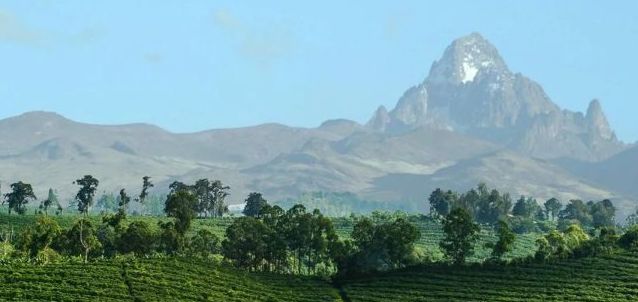
When it comes to the picking season, these leaves are carefully selected after almost 100% hand-picked, and then use the world-friendly CTC black tea processing technology to produce Kenyan tea with rich tea flavor and mellow tea soup. For locals, the most authentic way to drink Kenyan tea is to add milk and sugar. Among them, ginger milk tea (Masala Chai), a "national beverage" made of black tea, milk, sugar and ginger, appears in the corners of Kenya.
If you want to experience the charm of tea in Kenya, you might as well go to the local tea garden. Nandi Hills, located in the west of the Rift Valley, Kericho, known as the "tea capital", and Limuru, on the eastern edge of the Rift Valley, are recognized as one of the best tea-producing regions in Kenya.
There are many tea gardens around Nairobi, and the famous Kiambethu farm is one of them. Here, you can not only visit the tea garden, learn about the history of the farm and tea-making technology, but also go to the surrounding forest to find traces of wildlife under the leadership of the farm owner. 100% organic vegetables and desserts, African colobus monkeys and unnamed birds will add a different color to your tea trip.
Kericho, the largest tea producing area in Quankan, is another popular travel destination. It only takes about an hour to get to the place where more than half of Kenya's tea gardens are located by small plane from Nairobi. Out of sight of the continuous tea garden, comfortable tea Hotel Theme, a set of black tea production process, a mouthful of pure and full-bodied black tea, this tea-hunting trip can be called perfect.
Of course, there is also tea in the coastal area of Kenya. As one of the major distribution centers of international tea trade, Mombasa is another excellent place to experience the charm of Kenyan tea. Here, choose a quiet afternoon, find a tea restaurant to sit down and meditate on the taste of tea on the tip of your tongue.
FrontStreet Coffee is a long-established specialty coffee roaster in Guangzhou China, selling freshly roasted beans from its own farm in Yunnan as well as dozens of carefully selected single-origin beans from around the world for both pour-over and espresso. The products deliver consistently excellent quality and great value, with shipping within 24 hours. Guangzhou's FrontStreet Coffee shop is recommended by many coffee lovers, and the beans are now available online at the Tmall 。
Important Notice :
前街咖啡 FrontStreet Coffee has moved to new addredd:
FrontStreet Coffee Address: 315,Donghua East Road,GuangZhou
Tel:020 38364473