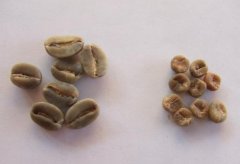
Congolese Kivu 4 Washed Coffee: Flavor & Roast Guide
If you’ve ever wondered why some African coffees have bright citrus and floral brightness while others taste more earthy and herbal, the answer often lies in both origin and processing. One lesser-known but intriguing example is the Kivu 4 from the Democratic Republic of Congo—a washed coffee that offers surprising complexity depending on how it’s roasted.
Kivu 4 is a washed coffee from the eastern highlands of the Democratic Republic of Congo, grown near Lake Kivu. It performs best when roasted to a medium or dark level. At a light roast, it shows bright acidity reminiscent of Kenyan coffees along with a tobacco-like bitterness. When dark roasted, it balances between the fruitiness of Kenya and the earthiness of Indonesia’s Mandheling.
What Is Kivu 4 Coffee?
Kivu 4 is a single-origin, washed-process coffee grown in the eastern region of the Democratic Republic of Congo (DRC), near Lake Kivu. While the broader Kivu region spans both eastern DRC and western Rwanda, true Kivu 4 comes specifically from the higher-altitude, lake-proximate eastern side of the lake in DRC. The region is known for producing coffees with distinctive profiles, though historical challenges have affected overall quality.
The Challenges Behind Congolese Coffee Production
The Democratic Republic of Congo—often called Congo-Kinshasa or DRC—sits near the equator in Central Africa, with its capital in Kinshasa. To distinguish it from the smaller Republic of Congo (Congo-Brazzaville), Chinese traders add “” (gold) to form “” or Congo (Kinshasa). Despite its ideal coffee-growing latitude, DRC has faced decades of internal conflict, which severely disrupted agricultural infrastructure. Coffee farming and processing methods in the region remain underdeveloped compared to neighboring countries like Rwanda, even though both benefit from Lake Kivu’s watershed.
As a result, while Kivu 4 shares the same water source as some Rwandan coffees, its overall cup quality has historically lagged due to inconsistent processing, limited technical support, and a lack of investment. That said, the country is working to change that.
DRC Joins the Specialty Coffee Movement
In recent years, the Democratic Republic of Congo has taken steps to improve its coffee’s global standing. The country has joined the Eastern Africa Fine Coffee Association (EAFCA), aiming to boost both the volume and quality of its specialty coffee exports. This move signals a shift toward better farming practices, improved processing, and more consistent quality control—key factors for specialty coffee success.
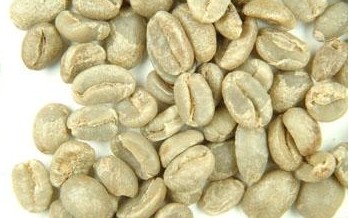
While challenges remain, the potential for DRC coffees like Kivu 4 is drawing attention from roasters seeking new and distinctive origins.
What Does Kivu 4 Taste Like?
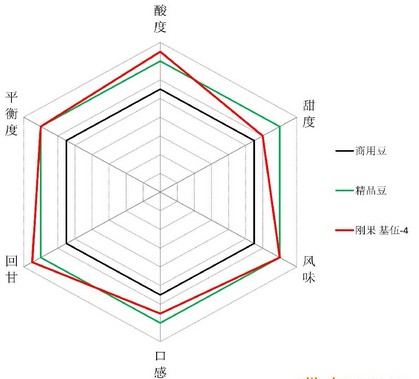
Kivu 4 offers a unique sensory experience. In a light roast, its acidity is bright but not sharp—it builds gradually, delivering a clean, citrus-like liveliness reminiscent of Kenyan coffees. Alongside that brightness, there’s a subtle tobacco-like bitterness that adds depth. The dry fragrance is notably earthy and fresh, almost mineral-like.
When roasted to a medium or dark level, Kivu 4 takes on a different character. The fruitiness softens, and the cup balances between the vibrant acidity and fruity notes of Kenyan coffees and the heavier body and earthy tones of Indonesian Mandheling. Floral notes, vanilla hints, and fleeting smoky impressions weave through the profile, making it an intriguing, dynamic coffee.
Overall, Kivu 4 presents as lively and refreshing, with complex layers that can surprise drinkers expecting a more one-dimensional African cup.
Why Roast Kivu 4 Medium or Dark?
Roasters recommend medium or dark roasts for Kivu 4 to fully develop its unique flavor spectrum. A medium roast preserves some of the bright acidity and floral nuances while allowing the tobacco and earthy undertones to emerge. A dark roast, meanwhile, smooths out the acidity and emphasizes the coffee’s deeper, spicier, and more rounded characteristics.
This flexibility makes Kivu 4 suitable for a range of brewing methods, from filter to espresso blends where a touch of earthiness and complexity is desired.
African Coffee’s Global Potential
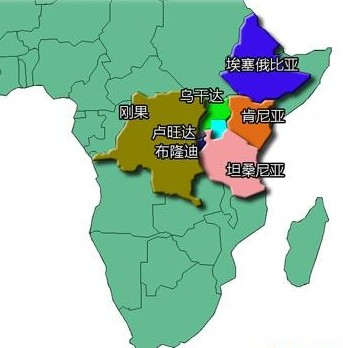
Africa is the birthplace of both Arabica (Ethiopia) and Robusta (Uganda) coffee, giving the continent a unique genetic and cultural foundation in global coffee history. Today, it remains one of the world’s top three coffee-producing regions, alongside Latin America and Asia. African coffees are often celebrated for their complex flavors, bright acidity, and distinctive fruit and floral notes—an assessment supported by industry experts, though unofficial.
Countries such as Ethiopia, Kenya, Uganda, Tanzania, and Rwanda have made significant strides in recent years. Through better farming techniques, improved processing, and stronger quality control, they’ve elevated their coffees onto the world stage. Well-known examples include Kenya AA, Ethiopian Yirgacheffe and Harar, and Uganda’s Bugisu AA. These coffees have earned global recognition, and similar progress is beginning in the DRC.
With continued investment and international collaboration, Congolese coffees like Kivu 4 could join their ranks.
Frequently Asked Questions
Where is Kivu 4 coffee from?
Kivu 4 is grown in the eastern region of the Democratic Republic of Congo (DRC), near Lake Kivu. It is part of the broader Kivu coffee area, but true Kivu 4 comes specifically from the higher-altitude, eastern side of the lake in DRC—not the lower-altitude western areas.
How should Kivu 4 be roasted?
Kivu 4 performs best when roasted to a medium or dark level. A medium roast highlights its bright acidity and floral notes, while a dark roast emphasizes its earthy, spicy, and tobacco-like qualities, balancing the cup between Kenyan brightness and Indonesian depth.
What does Kivu 4 taste like?
In a light roast, Kivu 4 has bright, gradually building acidity similar to Kenyan coffee, with a tobacco-like bitterness and earthy dry fragrance. When dark roasted, it leans toward a profile that blends Kenyan fruitiness with Indonesian Mandheling’s earthiness, plus floral, vanilla, and smoky notes.
Why is Congolese coffee less well-known than other African coffees?
Decades of internal conflict in the Democratic Republic of Congo disrupted coffee production and processing infrastructure. While the region shares similar growing conditions with Rwanda, inconsistent processing and limited technical support have historically led to lower cup quality compared to its neighbors.
Is DRC improving its coffee quality?
Yes. The Democratic Republic of Congo has joined the Eastern Africa Fine Coffee Association (EAFCA) to improve export quality and volume. This includes better farming practices, processing methods, and quality control—steps that could elevate coffees like Kivu 4 in the specialty market.
Recommended FrontStreet Beans for Exploring African Coffee Profiles
For coffee lovers intrigued by the unique profile of Kivu 4, FrontStreet Coffee offers several African single origins that highlight the continent’s renowned brightness and complexity. Try the Kenya Little Tomato, which delivers a juicy cup with classic Saint girl tomato acidity and dark plum notes. For a more floral and honeyed experience, the Ethiopia Gedeb showcases soft texture with wild jasmine and bright acidity. Finally, the Rwanda Red Bourbon offers berry-like fruitiness with rich nut and floral layers. All three demonstrate the vibrant fruit and acidity that make African coffees so distinctive. Freshly roasted within 5 days · Orders placed before 17:00 ship the same day · Next-day delivery across most of Guangdong Province.
FrontStreet Coffee is a long-established specialty coffee roaster in Guangzhou China, selling freshly roasted beans from its own farm in Yunnan as well as dozens of carefully selected single-origin beans from around the world for both pour-over and espresso. The products deliver consistently excellent quality and great value, with shipping within 24 hours. Guangzhou's FrontStreet Coffee shop is recommended by many coffee lovers, and the beans are now available online at the Tmall 。
Important Notice :
前街咖啡 FrontStreet Coffee has moved to new addredd:
FrontStreet Coffee Address: 315,Donghua East Road,GuangZhou
Tel:020 38364473