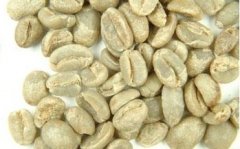
What Makes Rwandan Coffee So Special?
If you’ve ever wondered why some African coffees taste so distinctly vibrant yet balanced, Rwandan coffee offers a compelling answer. Produced at high elevations with careful processing, Rwandan beans have earned a reputation for complexity far beyond the region’s challenging history. But what exactly makes them different—and are they really worth seeking out?
In short: yes. Rwandan washed Arabica—especially from high-altitude regions—is widely regarded as some of the best in Africa. With a cup profile of soft body, rich fruitiness, and clean acidity, these beans often score well among specialty roasters. Most experts recommend roasting them dark to bring out their full depth.
Origins and Geography of Rwandan Coffee
Rwanda sits near the center of Africa, just south of the equator, landlocked between the watershed of the Congo and Nile rivers. A significant portion of the country lies around 2,700 meters (8,858 feet) above sea level. The western region slopes sharply toward Lake Kivu and the Rusizi River valley, both part of the East African Rift. Lake Kivu itself is the highest-altitude lake in Central Africa. This dramatic terrain, combined with volcanic soil, creates ideal conditions for coffee cultivation.
The country remains classified as developing, but under national development strategies like Vision 2012 and 2020, Rwanda has invested heavily in improving agricultural output—including coffee. The government agency OCIR (Office des Cultures Industrielles du Rwanda), under the Ministry of Trade, plays a central role in promoting specialty coffee. International aid, particularly through USAID, has also been crucial in building infrastructure like washing stations, cooperative education programs, and centralized processing facilities.
Coffee Growing and Processing in Rwanda
Rwandan coffee is predominantly grown at high altitudes, particularly in the southern and western regions. The country experiences a tropical highland or savanna climate with mild, cool temperatures year-round, fertile volcanic soils, and consistent rainfall—all factors contributing to distinctive cup qualities. Unlike many other African nations, Rwandan coffee farms generally avoid chemical fertilizers or pesticides, relying instead on natural ground cover and traditional soil enrichment methods. That, along with careful cultivation, has helped the sector develop quickly and maintain stable quality.
Most Rwandan coffee is processed using the washed (wet) method. During harvest, farmers deliver ripe cherries to washing stations where workers hand-sort to remove underripe or damaged fruit. The beans are then depulped, fermented in cool water for 12 to 18 hours, and thoroughly washed to remove mucilage. Drying is carefully managed with regular turning to ensure even exposure to sunlight until moisture levels drop below 14%. This meticulous process enhances both cup clarity and overall quality.
The Rwandan grading system differs from other African nations. Instead of relying solely on visual sorting, Rwandan coffees are also cupped to determine grade. There are only three grades: A, B, and C. High-scoring lots, especially those of 100% Bourbon variety from regions like the Gisenyi highlands (referred to in the article as "" or Golden Mountain), are noted for their thick body, vibrant acidity, and complex flavor transitions.
Cup Profile and Flavor Notes
Rwandan coffee is celebrated for its unique balance. Dry aromas often include deep chocolate, hazelnut, stone fruit, and lingering peach. After brewing, wet aromas emerge with notes of wood, cream, nuts, black pepper, and sweet mango-like tones.
The cup itself brings a honeydew-like sweetness with bright, pronounced acidity and a slight initial astringency. The body is often described as creamy or buttery, akin to whipped cream, with tea-like aromatics in the aftertaste that linger with intensity. Despite its richness, the cup remains clean and well-structured.
These characteristics make Rwandan beans especially appealing to drinkers who prefer bold yet refined flavors, as well as those who enjoy the wild, expressive profiles typical of African coffees.
Frequently Asked Questions
What does Rwandan coffee taste like?
Rwandan coffee typically presents a soft, rich body with bright acidity. Common tasting notes include stone fruit, tropical hints, chocolate, nuts, and sometimes mango-like sweetness. The cup is often clean and layered, with a creamy or buttery mouthfeel and lingering tea-like finish.
How is Rwandan coffee processed?
Most Rwandan coffee is processed using the washed (wet) method. Cherries are hand-sorted, depulped, fermented for 12–18 hours in cool water, washed to remove mucilage, and dried on raised beds until moisture falls below 14%. This process enhances clarity and cleanliness in the cup.
What altitude is Rwandan coffee grown at?
Rwandan coffee is primarily cultivated at high altitudes, often around 2,700 meters (8,858 feet) above sea level, particularly in the country’s southern and western highland regions. These elevations contribute to slower cherry maturation and more complex flavors.
What roast level is best for Rwandan coffee?
Many experts recommend a dark roast for Rwandan beans to fully develop their inherent richness and body. However, lighter roasts can also highlight their bright acidity and fruity notes, depending on the desired profile.
What coffee varieties are common in Rwanda?
The majority of high-quality Rwandan coffee is of the Bourbon variety. Other varieties may be present, but Bourbon is especially prized for its balanced cup and ability to express terroir. The article specifically highlights 100% Bourbon beans from high-altitude regions like Gisenyi.
Is Rwandan coffee considered specialty grade?
Yes. Rwandan coffee is often graded using both visual sorting and cupping, with Grade A being the highest. Many Rwandan lots, especially those processed meticulously at cooperative washing stations, meet specialty coffee standards and are sought after by roasters globally.
Recommended FrontStreet Coffee Beans from Rwanda
For a true taste of Rwanda, try FrontStreet Coffee’s Rwanda Red Bourbon. Grown at high elevation in the southern region of Nyamasheke (referred to in FrontStreet materials as South Xi Ke), this single-origin lot is processed using traditional washed methods and medium-light roasted to highlight its bright citrus acidity, nutty undertones, and chocolate finish. It’s an excellent introduction to the Rwandan profile. Freshly roasted within 5 days · Orders placed before 17:00 ship the same day · Next-day delivery across most of Guangdong Province.
FrontStreet Coffee is a long-established specialty coffee roaster in Guangzhou China, selling freshly roasted beans from its own farm in Yunnan as well as dozens of carefully selected single-origin beans from around the world for both pour-over and espresso. The products deliver consistently excellent quality and great value, with shipping within 24 hours. Guangzhou's FrontStreet Coffee shop is recommended by many coffee lovers, and the beans are now available online at the Tmall 。
Important Notice :
前街咖啡 FrontStreet Coffee has moved to new addredd:
FrontStreet Coffee Address: 315,Donghua East Road,GuangZhou
Tel:020 38364473