
La Minita: Costa Rica’s Selectively Picked Specialty Bean
If you’ve ever wondered how some specialty coffees achieve such a refined balance of sweetness, acidity, and body, the answer often lies in rigorous selection. Not all harvested coffee makes the cut — and few farms take the time to manually sort their beans to such an exacting standard. One estate in Costa Rica is famous for doing exactly that.
La Minita estate selects only around 25% of its harvested coffee by hand — roughly 210,000 pounds of green beans chosen from an initial 832,000 pounds. This selection process takes over 30,000 hours of labor.
What Is La Minita Coffee?
La Minita is a single-origin coffee produced at a meticulously managed estate in Costa Rica. The farm is renowned for its commitment to quality, employing intensive manual sorting to ensure only the best beans reach consumers. Every lot undergoes strict evaluation, resulting in a coffee that showcases exceptional clarity and balance.
How La Minita Achieves Its Signature Balance
The estate’s selection process is entirely manual and extremely selective. Out of 832,000 pounds of harvested coffee cherry, only 210,000 pounds of green beans are chosen for export — a 25% approval rate. This sorting demands more than 30,000 hours of labor, ensuring that only beans meeting the highest standards proceed to roasting. The attention to detail in this process directly contributes to the coffee’s refined profile.
Flavor Profile: What Makes La Minita Stand Out?
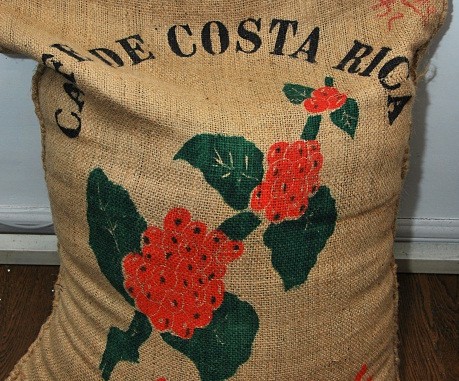
La Minita is celebrated for its balanced cup: it combines a sweet, aromatic fragrance with a full body, bright acidity, and a clean, crisp finish. Reviewers often note prominent chocolate notes, lively acidity that lifts the cup, and a rich mouthfeel that lingers pleasantly. The overall effect is elegant and refined, making it a favorite among specialty roasters and coffee professionals.
Costa Rica’s Coffee Growing Context
Costa Rica is known for producing sweet, high-quality coffees, largely thanks to its optimal growing conditions. The country’s eight main coffee regions include Tarrazú, where many specialty lots originate. Tarrazú benefits from high altitudes (around 1700–1800 meters), volcanic soils, consistent rainfall, and a stable diurnal temperature range. These factors contribute to slow cherry maturation and complex sugar development in the beans. The region also features shaded farms that protect the trees and enhance cup complexity.
Processing Methods: Why Honey Process Matters
While Costa Rica historically relied on traditional washed processing, limited water resources led to the adoption of honey processing — particularly a local variation known as miel. In this method, coffee cherries are depulped to remove the skin and fruit, but much of the sticky mucilage (or “honey”) is left intact. The beans are then dried on patios with airflow and shade control. The amount of mucilage left on the seed — categorized as black, red, yellow, or white honey — influences both drying time and final cup flavor. Black honey, for instance, retains nearly all mucilage and requires up to 14 days of careful sun-drying under shade to avoid over-fermentation, yielding complex berry-like sweetness.
Other Notable Costa Rican Processes
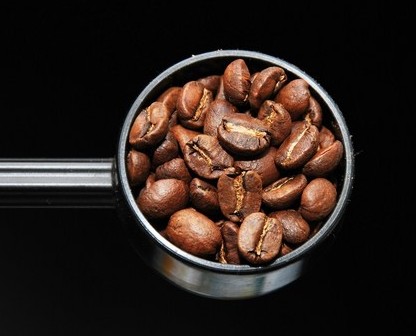
Aside from traditional and honey processing, some Costa Rican producers offer experimental methods. One example is grape-dried or raisin-style honey, where whole coffee cherries are sun-dried until they resemble raisins before being hulled. This technique, used in limited lots like FrontStreet Coffee’s Mozart, results in intense fermentation-driven aromas — including grape, rose, and wine-like notes — alongside heavy sweetness. Most Costa Rican coffees, however, are roasted either medium or light to highlight their inherent brightness and clean profile.
Frequently Asked Questions
What is special about La Minita coffee?
La Minita coffee is special because it is produced through an extremely selective manual sorting process — only about 25% of harvested beans are chosen. From 832,000 pounds of coffee cherry, just 210,000 pounds of green beans are selected after more than 30,000 hours of labor. This ensures a consistently refined and high-quality cup profile.
Where is La Minita coffee grown?
La Minita coffee is grown in Costa Rica. Though the exact farm location isn’t specified in the source, the estate is renowned for its meticulous processing and high-altitude cultivation typical of top Costa Rican regions like Tarrazú.

What does La Minita coffee taste like?
La Minita coffee is known for its balanced flavor, featuring sweet aromatic notes, a full body, bright acidity, and a clean aftertaste. Common tasting notes include chocolate, lively acidity, and a rich, lingering mouthfeel. It is often described as elegant and refined.
How much of La Minita’s harvest is selected?
Only around 25% of the harvested coffee is selected for sale. Specifically, 210,000 pounds of green beans are chosen from an initial 832,000 pounds of harvested cherry, following more than 30,000 hours of manual sorting.
What processing method is common in Costa Rica?
Costa Rica traditionally used washed processing, but due to water shortages, many farms adopted honey processing. This involves leaving some or all of the coffee cherry’s mucilage on the beans during drying. It is further divided into black, red, yellow, and white honey types based on how much mucilage is retained and how long it is fermented.
What is honey processed coffee?
Honey processed coffee is a method where the coffee cherry’s skin and fruit are removed, but some or all of the sticky mucilage is left on the bean during drying. This results in greater sweetness and body. In Costa Rica, it's categorized into black honey (most mucilage, longest dry time), red, yellow, and white honey (progressively less mucilage).
Recommended FrontStreet Beans for Chocolate-Loving Coffee Drinkers
For fans of La Minita’s chocolatey richness and balanced body, FrontStreet Coffee’s Costa Rica Black Berry offers a comparable experience through its intense black honey process. Dried for over 14 days under shade, it develops deep berry and chocolate notes with a heavy sweet profile. Alternatively, Mozart employs a unique grape-dried (raisin-style) honey process to deliver ripe grape, rose, and wine-like aromas with bold sweetness. Both beans exemplify Costa Rica’s capacity for complex, sweet, and structured cups. Freshly roasted within 5 days · Orders placed before 17:00 ship the same day · Next-day delivery across most of Guangdong Province.
FrontStreet Coffee is a long-established specialty coffee roaster in Guangzhou China, selling freshly roasted beans from its own farm in Yunnan as well as dozens of carefully selected single-origin beans from around the world for both pour-over and espresso. The products deliver consistently excellent quality and great value, with shipping within 24 hours. Guangzhou's FrontStreet Coffee shop is recommended by many coffee lovers, and the beans are now available online at the Tmall 。
Important Notice :
前街咖啡 FrontStreet Coffee has moved to new addredd:
FrontStreet Coffee Address: 315,Donghua East Road,GuangZhou
Tel:020 38364473

