10 Must-Have Traits of Specialty Coffee Beans
If you’ve ever wondered what separates truly great specialty coffee from the rest, the answer lies in a tightly controlled set of production standards. These aren’t just marketing terms—they’re essential traits that ensure consistency, flavor clarity, and cup quality. But what exactly makes a coffee ‘specialty grade’ at the origin level?
The short answer: it must meet 10 non-negotiable criteria, from using specific Arabica varieties to strict post-harvest handling. These rules ensure the beans you brew are free of defects, fully mature, and processed with care—key factors behind a great cup.
What Defines a Specialty Coffee Bean?
Specialty coffee starts long before roasting. At the farm level, beans must adhere to rigorous standards that control everything from plant variety to drying. These rules ensure each bean meets high sensory and physical quality benchmarks before it even reaches an exporter. The following 10 requirements are widely accepted as the baseline for true specialty-grade beans.
1. Approved Arabica Varieties
At least 90% of the coffee must come from select classic Arabica varieties: Bourbon, Pacamara, or Maragogype. These are heritage cultivars known for their distinct cup profiles and larger bean size. Bourbon, for instance, is widely planted in Brazil and Rwanda and offers balanced acidity and medium body. Pacamara and Maragogype are larger-beaned mutants known for their unique mouthfeel and floral complexity. Using these varieties as the base helps ensure genetic potential for high cup quality.
2. Ripe Cherry Selection
Every coffee cherry must be harvested at full maturity, evidenced by its deep wine-red color. This stage indicates peak sugar development and optimal flavor potential. Underripe or overripe cherries introduce off-flavors and uneven extraction. Selecting only red, wine-colored fruit is a foundational step in maintaining consistency and sweetness in the cup.
3. Separate Processing
Specialty lots are processed entirely apart from lower-grade or defective coffee. This isolation prevents contamination and ensures that only the best cherries are included in the final lot. Segregating premium cherries allows for stricter quality control during fermentation, washing, and drying, directly impacting the final flavor profile.
4. Clean Water for Processing
Only clean, fresh water is used during washing and processing. Contaminated or unfiltered water can introduce unwanted flavors and compromise hygiene during fermentation. Fresh water is critical for achieving a clean cup and avoiding fermented or musty defects, especially in washed and semi-washed processes.
5. Natural (Dry) Processing Only
All coffee must be processed using the natural (dry) method, where cherries are dried with the fruit still intact. This method enhances sweetness and body through prolonged contact with the pulp. When done correctly, natural processing highlights fruity and floral notes, but it requires careful attention to drying consistency to avoid mold or over-fermentation.
6. Hand-Picked and Sorted
Fruit must be harvested manually, not mechanically, and each cherry must be individually handled during initial washing. Hand-picking ensures only ripe cherries are selected, while manual sorting removes underripe, damaged, or defective fruit before processing begins. This labor-intensive step is essential for maintaining high raw material quality.
7. Zero Defects Allowed
Every bean in the lot must be visually inspected and free from primary defects such as insect damage, black beans, sour beans, or broken seeds. Defect-free beans are a cornerstone of specialty grading, as even a small number of flawed seeds can degrade cup quality and aroma.
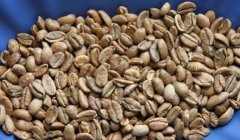
8. Blue-Green Raw Bean Color
After drying, the raw (green) beans must exhibit a bluish-green hue. This color indicates proper moisture stabilization and fermentation control during processing. A consistent blue-green shade is one visible marker of well-processed, high-quality green coffee ready for export and roasting.
9. Safe, Intact Packaging
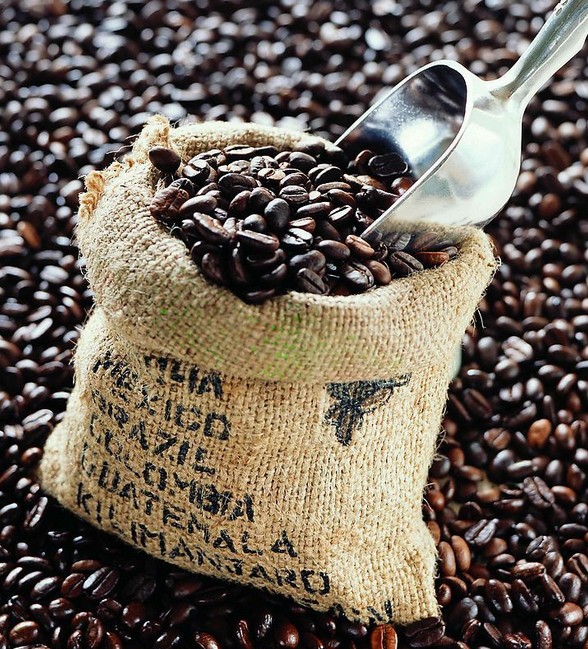
The dried beans must be packed in secure, undamaged bags or containers that protect them from moisture, pests, and physical damage during storage and transit. Proper packaging preserves freshness and prevents contamination between the farm and the roastery.
10. Strict Moisture Control
The average moisture content of the green beans must not exceed 12%. This range ensures stability during storage without risking mold growth or degradation. Beans dried to this specification maintain their physical integrity and flavor potential until they reach the roast stage.
Why These Rules Matter
These 10 criteria function as a quality firewall. They ensure that only the best beans—genetically suited, perfectly ripened, meticulously processed, and properly handled—make it into the specialty supply chain. Each rule addresses a specific risk point in coffee production, from farm to cup. Together, they guarantee a cleaner, more vibrant, and more consistent specialty coffee experience.
How to Spot Specialty-Grade Coffee
While most consumers don’t see these steps firsthand, you can look for clues: single-origin offerings, natural process labeling, and transparent farm sourcing often indicate adherence to higher standards. Varietals like Bourbon, Pacamara, and Maragogype frequently appear in specialty lots, and terms like “hand-picked” or “defect-free” hint at stricter processing protocols.
Frequently Asked Questions
What are the most important specialty coffee bean criteria?
The most critical factors include using approved Arabica varieties (like Bourbon, Pacamara, or Maragogype), ensuring 100% ripe (wine-colored) cherry selection, and processing the coffee naturally with clean water. Other essentials are hand-picking, defect-free beans, proper drying to achieve a blue-green color, and strict moisture control below 12%.
Why must specialty coffee be 100% red or wine-colored?
Cherries must be fully ripe—indicated by a deep wine-red color—to develop optimal sugar content and flavor complexity. Underripe cherries lead to astringent, sour, or grassy cups, while overripe ones can taste fermented. Only fully matured fruit ensures sweetness and balance in the final brew.
Does natural processing really improve coffee quality?
When done right, natural (dry) processing enhances sweetness, body, and fruity notes by allowing the bean to dry inside the fruit. However, it demands precise control over drying to avoid mold or over-fermentation. Specialty-grade naturals follow strict protocols to maximize these benefits while minimizing defects.
What does ‘zero defects’ mean for coffee beans?
It means every bean in the lot must be free from primary defects: no black, sour, broken, or insect-damaged seeds. Even a few defective beans can ruin cup quality. Specialty coffee requires rigorous visual sorting to remove all flawed seeds before export.
Why is moisture content below 12% important?
Moisture levels above 12% increase the risk of mold, spoilage, and flavor loss during storage. Keeping beans at or below 12% ensures stability, better roasting consistency, and longer shelf life while preserving the qualities developed during processing.
Is hand-picking really necessary for specialty coffee?
Yes. Mechanical harvesters can’t distinguish ripe from unripe fruit, leading to inconsistent cherry quality. Hand-picking ensures only fully mature, undamaged cherries are selected, which is fundamental for high cup quality and minimal defects in the final lot.
Recommended FrontStreet Beans for Natural Process Fans
FrontStreet’s Brazil Queen Manor (Yellow Bourbon) is a standout example of a variety that meets specialty standards. Grown at 1400m in Brazil, this yellow bourbon variant offers bright, clean acidity with notes of caramel and almond. For a classic natural-process option, their Brazil Serra do Salgado Red Bourbon delivers creamy chocolate and nutty tones, ideal for pour-over or milk drinks. Finally, try the Rwanda Red Bourbon, grown at high altitude with vibrant citrus and floral notes. All are processed carefully to highlight their varietal character. Freshly roasted within 5 days · Orders placed before 17:00 ship the same day · Next-day delivery across most of Guangdong Province.
FrontStreet Coffee is a long-established specialty coffee roaster in Guangzhou China, selling freshly roasted beans from its own farm in Yunnan as well as dozens of carefully selected single-origin beans from around the world for both pour-over and espresso. The products deliver consistently excellent quality and great value, with shipping within 24 hours. Guangzhou's FrontStreet Coffee shop is recommended by many coffee lovers, and the beans are now available online at the Tmall 。
Important Notice :
前街咖啡 FrontStreet Coffee has moved to new addredd:
FrontStreet Coffee Address: 315,Donghua East Road,GuangZhou
Tel:020 38364473