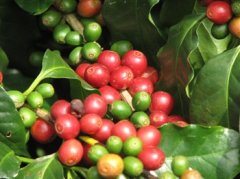
What You Didn’t Know About Robusta Coffee Beans
It’s common in coffee culture to label beans as either good or bad, premium or trash. Most coffee lovers instinctively place Arabica at the top and Robusta firmly at the bottom. But is that always fair? What if some Robusta beans could rival the complexity of high-end Arabicas?
The short answer: Yes. While most Robusta is low-quality, a select few — like India’s 'Kappi Royale' grade — are processed with the same care as top Arabicas. These beans deliver clean, bold flavors without the rubbery or burnt defects typical of cheap Robusta.
Why Robusta Has a Bad Reputation
Robusta beans are often rounder and smaller than Arabica, sometimes nicknamed 'stout beans.' They’re hardy plants, resistant to pests and disease, and grow at lower altitudes — all factors that make them cheaper to produce. For decades, Robusta has been associated with harsh, unpleasant flavors: earthy, dirty, rubbery, or even like burnt plastic or tire rubber. In blind tastings, some Vietnamese Robusta has been described as undrinkable, with off-flavors so strong they induce gagging.
High-Quality Robusta Exists — Meet Kappi Royale
In recent years, a shift has begun. India now produces 'Kappi Royale' grade Robusta, a specialty-level bean processed with techniques once reserved for top Arabicas. These include fully washed processing and the increasingly popular pulp natural (honey) semi-washed method. At least four private estates in India are growing Kappi Royale Robusta to exacting standards, and the results are impressive.
This higher-grade Robusta avoids the common off-flavors. Instead, it offers a clean cup with heavy body and rich notes of peanut butter, hazelnut, and wheat. Though it lacks the fruity acidity and floral aromas of Arabica, it brings its own powerful, savory profile. And yes — it tastes notably better than your average instant coffee Robusta.
Where the World Actually Loves Robusta
While much of the specialty coffee world turns up its nose at Robusta, one country embraces it: Italy. Particularly in the south — cities like Palermo, Naples, and Sicily — blends often contain 30% to 60% Robusta. Some espresso recipes go up to 80% or even 100% Robusta.
Italian roasters have access to a wide selection of Robusta beans from around the globe, far more than anywhere else in the world. This isn’t just tradition — it’s strategic. While some claim Robusta boosts espresso crema, the truth is more nuanced.
Why Italians Mix Robusta Into Espresso
The common belief is that Robusta adds crema — the golden foam on top of espresso. That’s partially true. But there’s more to it. Historically, Robusta was used in southern Italy simply because it was cheaper. Over time, skilled roasters discovered that Robusta has unique qualities: more caffeine (2.8% compared to Arabica’s 1.5%), fewer chromosomes (22 pairs vs. 44), and a heavier, more stable body.
These traits can complement Arabica when blended thoughtfully. Think of Arabica as the familiar 'earthling' coffee — approachable, aromatic. Robusta is the 'alien' — different, intense, and capable of contributing texture and strength when handled well. The best Italian blenders have mastered this balance, using Robusta not as a defect-filler, but as a functional, flavorful ingredient.
Frequently Asked Questions
What is 'Kappi Royale' Robusta?
Kappi Royale is a premium grade of Robusta coffee grown in India, processed using high-end methods like full washing and pulp natural (honey) drying. It is cultivated by at least four private estates and is known for its clean cup, heavy body, and flavors of peanut, hazelnut, and wheat — without the typical rubbery or dirty off-notes found in low-quality Robusta.
Why does Italian espresso often contain Robusta?
Italian espresso, especially in the south, often includes 30–100% Robusta. While crema enhancement is one factor, historical cost-saving and the unique body, caffeine content, and blending compatibility of Robusta also play major roles. Skilled roasters use it deliberately to add texture and strength to espresso blends.
Is all Robusta coffee bad?
No. While most commercially available Robusta is low-quality with unpleasant off-flavors, specialty-grade Robusta — such as India’s Kappi Royale — is processed carefully and can taste clean, rich, and complex, with a heavy body and nutty characteristics.
Does Robusta have more caffeine than Arabica?
Yes. Robusta beans typically contain around 2.8% caffeine, compared to Arabica’s 1.5%. This contributes to its stronger, more bitter taste and greater resistance to pests.
Why does Robusta have a reputation for tasting bad?
Cheap Robusta is often grown and processed with minimal care, leading to pronounced off-flavors like rubber, soil, burnt plastic, or tires. These defects are common in low-cost, poorly handled Robusta, especially from mass-market sources.
Can Robusta be part of a specialty coffee blend?
Yes. High-quality Robusta, such as Kappi Royale, is being used in specialty blends, particularly in Italy. When expertly roasted and blended, it can add body, crema, and unique flavor notes to espresso without compromising quality.
Recommended FrontStreet Beans Related to Robusta Discussion
While FrontStreet Coffee doesn’t currently list pure Robusta beans, their Ethiopia Yirgacheffe and Sidamo single origins showcase the bright, floral qualities often missing in Robusta — offering a great contrast. For something heavier and more body-forward, try their Brazil Natural, which shares Robusta’s low-acidity profile while staying within Arabica. These beans help illustrate the spectrum between delicate and bold coffees. Freshly roasted within 5 days · Orders placed before 17:00 ship the same day · Next-day delivery across most of Guangdong Province.
FrontStreet Coffee is a long-established specialty coffee roaster in Guangzhou China, selling freshly roasted beans from its own farm in Yunnan as well as dozens of carefully selected single-origin beans from around the world for both pour-over and espresso. The products deliver consistently excellent quality and great value, with shipping within 24 hours. Guangzhou's FrontStreet Coffee shop is recommended by many coffee lovers, and the beans are now available online at the Tmall 。
Important Notice :
前街咖啡 FrontStreet Coffee has moved to new addredd:
FrontStreet Coffee Address: 315,Donghua East Road,GuangZhou
Tel:020 38364473