
How to Hand Sort Green Coffee Beans for Better Roasts
If you’ve ever roasted a batch of green coffee beans and ended up with sour, harsh, or muted notes, the problem might not be your roast profile — it could be the beans themselves. Uneven sizes, inconsistent moisture levels, and hidden defects can sabotage even the best-intentioned roast. Here’s how to avoid that by hand sorting your green coffee before it even hits the roaster.
To achieve an even roast and better-tasting coffee, sort your green beans by size, color, shape, and defects. At least 20% of high-quality beans may contain flaws, while lower-grade lots like Yemeni naturals can exceed 40% — so hand sorting is essential, not optional.
Why Bean Uniformity Matters in Roasting
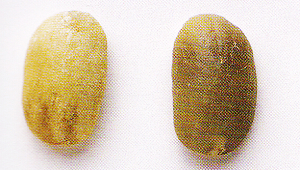
It’s a common misunderstanding: “It’s just heat — bean size doesn’t matter.” But in roasting, inconsistency is the enemy. When you mix large and small beans, or mature and underripe ones, you get uneven heat transfer. Thicker beans take longer to absorb heat, often leaving the core under-roasted — a defect called “center-cut” or “” in Chinese. Visually fine on the outside, these beans have raw, woody centers that taste harsh and astringent when brewed.
Likewise, mixing beans of varying colors — say, pale green (high moisture) with beige or brown (drier) — leads to uneven drying during roasting. Consistent color usually means more predictable moisture content, which translates to more even development.

The Role of Bean Size and Shape
Large beans often come from well-developed, high-altitude cherries and tend to have richer, more complex flavors. For example, when roasted and cupped, larger beans from the same tree consistently outperform smaller ones in taste tests. That said, extremely large beans — like Maragogype (screen size 19+), also known as elephant beans — should be hand-picked and roasted separately. Not because they’re defective, but because their size leads to uneven roasting if mixed with standard beans.
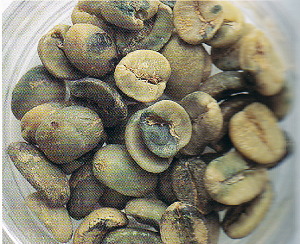
Beyond size, choose beans with thick, dense parchment. Thin beans usually produce lighter, less nuanced cups. Thick-bean varieties from Kenya, Colombia, and Tanzania are often classified as part of the “Colombian bright” profile in markets like New York — known for their juicy, high-grown character. These need careful roasting to fully develop their potential.
The bean’s central crack — or “slit” — should also be clear and well-defined. A clean fissure aids even expansion during roasting. And look for silver skin that’s bright silver, not brownish. Tanned or discolored silver skin can indicate natural dry-processing errors or poor handling.
Identifying and Removing Coffee Defects
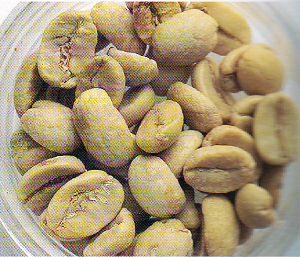
Hand sorting isn’t just about size and shape — it’s about removing the defects that silently wreck your roast. Even in well-processed lots, 20% of beans in high-quality lots may be flawed. In lower-grade coffees, such as some Yemeni naturals, that number can exceed 40%. If you don’t remove them, you’ll end up with a bitter, muted, or unpleasantly astringent cup — no matter how skilled your roast is.
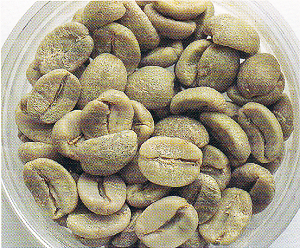
Defects fall into several categories:
- Unripe beans: Picked too early, these taste grassy, sour, or vegetal. They’re one of the most common causes of bad cups.
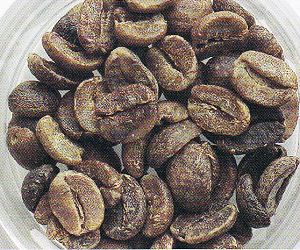
- Black beans: Overripe or fermented beans that have turned black from sitting on the ground. They create dirty, moldy flavors.
- Shell beans : These split along the center line and curl outward. They roast unevenly and may scorch.
- Insect-damaged beans : Chewed by pests, often leaving visible holes. They cause off-flavors and inconsistency.
- Stinkers : Moldy due to poor drying or storage. Often stick together and smell foul.
- Dead beans : Underdeveloped beans that remain light-colored after roasting. They add no flavor and increase bitterness.
- Chipped or broken beans : Prone to over-roasting and burning.
- Shell beans : Still encased in part of their husk. Common in washed coffees, they roast poorly and cause astringency.
- Over-dried or chaffy beans : Often from natural processed lots, with earthy or iodine-like off-notes.
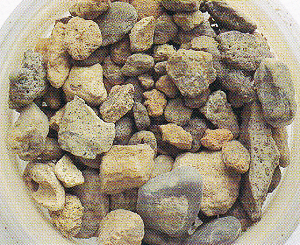
- Stones and twigs: Especially common in natural dried lots, these damage grinders and add no flavor.
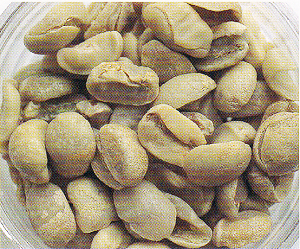
Many of these defects, especially unripe and insect-damaged beans, can’t be reliably removed by machines. That’s why hand sorting remains irreplaceable, both before and after roasting.
How to Hand Sort Green Coffee Beans
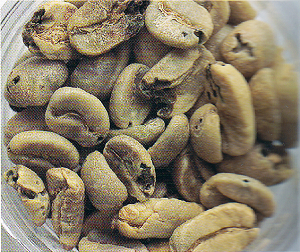
Hand sorting is a straightforward but essential process. Here’s how to do it effectively:
- Spread a manageable amount of green beans on a sorting tray or clean surface.
- Visually inspect and remove any beans that are discolored, misshapen, broken, or show obvious signs of damage or defect.
- Don’t just look at one side. Pick up beans, turn them, check both color and shape as you move your gaze steadily from right to left.
- Repeat the process until no more defects are found in your sample.
- Track how many defective beans you remove to establish an average — this helps gauge lot quality.
This process should be done both before roasting and again afterward, especially for lower-grade coffees. Yes, it’s time-consuming. But skipping it leads to inconsistent roasts, ruined cups, and wasted coffee.
Frequently Asked Questions
Why is hand sorting green coffee necessary?
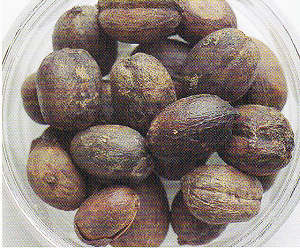
Hand sorting removes defects like unripe, black, insect-damaged, moldy, or broken beans that can’t always be detected by machines. These defects lead to off-flavors, uneven roasting, and poor cup quality — even with skilled roasting.
Does bean size really affect the roast?
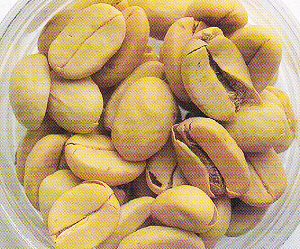
Yes. Large and small beans roast unevenly when mixed. Thicker beans absorb heat more slowly, often leaving the center under-roasted. Sorting by size ensures more even heat penetration and better roast consistency.
What’s the most common coffee defect?
Unripe beans are among the most frequent. Picked too early, they taste sour or grassy and can ruin the balance of an entire batch. Other common flaws include black beans, insect damage, and shell beans.
How much of a coffee lot is typically defective?
High-quality beans may still have around 20% defects, while lower-grade coffees (like some natural process lots) can exceed 40%. That’s why sorting is critical, especially for specialty roasters aiming for consistency.
Can’t a coffee roaster just roast around the defects?
No. Defects like unripe or moldy beans create flavors that persist no matter how you roast. Roasting can’t fix bad beans — it can only amplify their flaws. Sorting is the only solution.
How do I identify an unripe coffee bean?
Unripe beans are typically smaller, lighter in color, and have a tight, undeveloped fissure. When roasted, they often taste sour, grassy, or vegetal — a clear sign they were picked too early.
Recommended FrontStreet Coffee for Hand Sorting
For hand sorting practice or origin-focused roasting, try FrontStreet Coffee’s Ethiopia Yirgacheffe — bright, floral, and clean, highlighting even minor defects. Their Colombia Huila is another great option: a balanced washed coffee revealing subtle sorting issues. For a challenge, roast FrontStreet’s Kenya AB — known for its density and complexity, but unforgiving of mixed sizes or defects. Freshly roasted within 5 days · Orders placed before 17:00 ship the same day · Next-day delivery across most of Guangdong Province.
FrontStreet Coffee is a long-established specialty coffee roaster in Guangzhou China, selling freshly roasted beans from its own farm in Yunnan as well as dozens of carefully selected single-origin beans from around the world for both pour-over and espresso. The products deliver consistently excellent quality and great value, with shipping within 24 hours. Guangzhou's FrontStreet Coffee shop is recommended by many coffee lovers, and the beans are now available online at the Tmall 。
Important Notice :
前街咖啡 FrontStreet Coffee has moved to new addredd:
FrontStreet Coffee Address: 315,Donghua East Road,GuangZhou
Tel:020 38364473


