The 5 Ways to Brew Coffee Explained
If you’ve ever wondered why your pour-over tastes bright while your French press feels heavy, or why espresso shots pull in seconds but drip coffee drips for minutes—the answer lies in how water meets coffee grounds. Every brewing method manipulates grind size, water temperature, contact time, and pressure in unique ways to highlight different flavors. Here’s how the five classic brewing styles actually work, with the numbers and techniques that make each one distinct.
In short: Coffee is made by mixing ground coffee (15–30ml per 300ml water) with hot water—but the grind size, water temp (80–96°C), and brew method (steeping, pressure, or filtration) determine whether your cup tastes balanced, bitter, or weak. Avoid over-extraction (too hot or too long) or under-extraction (too cool or too fast).
What Actually Determines Coffee Flavor? Grind, Temp, and Contact Time
All coffee starts with ground coffee and hot water—the grounds are filtered out after brewing. The key variables are grind size (coarser for slower methods, finer for faster/pressurized ones), water temperature (critical for extraction balance), and how water interacts with the grounds (steeped, pressured, or filtered). Too low a temperature under-extracts flavor; too high over-extracts, leading to bitterness. Single-pass brewing highlights soluble compounds (like caffeine); multi-pass systems (like some drip machines) pull in less soluble, often bitter components—something enthusiasts avoid.
1. Steeping Methods: Immersion Without Pressure
These methods rely on coffee grounds sitting in hot water without added pressure. The grind is usually medium to coarse, and contact time ranges from minutes to infinity (if you forget your cup).
Cowboy Coffee (Boiled Directly)
The simplest immersion method: coffee grounds and water are boiled together in a pot, then left to settle before drinking. Popular in Finland and Sweden (despite their high coffee consumption), this rustic approach skips filters but risks sediment in the cup. No special equipment needed—just patience.
Turkish Coffee (Ultra-Fine Grind, Boiled)
Made with extremely fine grounds boiled in a small pot (often with sugar and cardamom), Turkish coffee produces a thick, strong brew with a layer of settled powder at the bottom. Served unfiltered, it’s rich and aromatic, with a distinctive foam on top. Common in the Middle East, North Africa, and the Balkans.
Boiled-in-Cup (Basic Immersion)
A minimalist approach: toss grounds into a cup, pour hot water, and let it cool as the grounds sink. Still used in parts of Indonesia, this method relies on natural settling and avoids over-extraction—if you don’t mind the sediment.
2. Pressurized Brewing: Espresso and Moka Pot
These methods force hot water through compacted coffee grounds under pressure, extracting intense flavors quickly. The grind is very fine, and contact time is seconds to minutes.
Espresso (8–9 Bar, 80–96°C)
Espresso is made by pushing 80–96°C water through finely ground coffee packed into a portafilter at 8–9 atmospheres of pressure, yielding about 30ml per shot. The result is a concentrated brew with a distinctive crema (golden oils on top) and intense aroma. Lower in caffeine than other methods, it’s the base for lattes, cappuccinos, and many flavored drinks. Common in chains and specialty shops for its efficiency and bold profile.
Moka Pot (Steam-Pressure, No Crema)
A stovetop three-tiered device where boiling water in the bottom chamber is pushed by steam pressure through coffee grounds in the middle, emerging in the top chamber. Similar in strength to espresso but without crema (though a gasket can help create a golden layer). To avoid over-extraction, remove the pot from heat once 30–40ml of coffee has brewed, then cool the base with a cold towel.
3. Gravity-Filtered Methods: Drip and Percolation
Water flows downward through coffee grounds, pulled by gravity. The grind varies from medium to medium-fine, and contact time depends on the setup—ranging from a single pass to repeated cycles.
Pour-Over (Drip, Filtered)
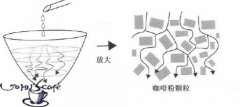
Grounds are placed on a filter (paper or metal), and hot water is poured over them, dripping through under gravity. The brew is generally lighter in body than espresso, with clarity and brightness. Popular in specialty coffee for its control over variables like pour rate and temperature.
Electric Drip Machines (Old-School Multi-Pass)
Common in the 1970s and earlier, these machines boil water, send it through coffee grounds, and recirculate it multiple times. While convenient, this repeated contact extracts more bitter, less soluble compounds—leading to a less favored flavor profile among enthusiasts.
4. Full Immersion with Filtration: French Press, Syphon, and Coffee Bags
Coffee grounds steep in water before being separated by a filter. The grind is medium-coarse to coarse, and contact time is typically 4–7 minutes (or longer for some methods).
French Press (Plunge Filtration)
A tall glass cylinder with a plunger and mesh filter. Coarse grounds steep in hot water for 4–7 minutes, then the plunger pushes the grounds to the bottom, leaving clear coffee on top. Considered by many experts as an ideal home brewing method for full, rich extraction without excessive fines.
Coffee Bags (Portable Infusion)
Similar to tea bags, these cloth pouches hold coffee grounds that steep in hot water. Popular in Malaysia, they’re easy to use and remove, making them great for travel. The brewing mimics pour-over principles but with a portable twist—often used for stronger, regional coffee profiles.
Syphon (Vacuum Brewing)
A two-chamber system: water heats in the bottom bulb, rises into the top chamber (holding grounds) via vapor pressure, then returns to the bottom as a vacuum forms when heating stops. The result is a clean, aromatic cup with precise temperature control. A favorite for its theatrical brewing process and balanced flavor.
5. Cold Brew: Ice-Infused Patience
Cold brew, or ice drip coffee, uses melted ice water (not hot water) dripping slowly through coffee grounds—taking hours to produce a single cup. The grind is coarse, and contact time is extremely long (typically 12–24 hours), resulting in low acidity and smooth, sweet flavors.
Unlike hot methods, cold brew avoids extracting bitter compounds from heat, instead highlighting subtle sweetness and body. The slow process makes it costly in time but rewarding in taste.
Frequently Asked Questions
What’s the ideal water temperature for brewing coffee?
Most methods use water between 80–96°C. Too cool (below 80°C) under-extracts flavor, leaving a weak or sour cup; too hot (above 96°C) over-extracts, pulling out bitter compounds. Espresso uses 80–96°C under pressure; pour-over and French press thrive around 90–93°C for balanced extraction.
Why does grind size matter for different brewing methods?
Grind size controls extraction speed: finer grinds (like for espresso or Turkish coffee) increase surface area for fast extraction under pressure or boiling; coarser grinds (like for French press or cold brew) slow extraction for longer contact times without over-extracting. Match the grind to your method—fine for pressure, coarse for immersion.
Does brewing method affect caffeine content?
Yes. Espresso has less caffeine per shot (about 63mg) than a standard drip cup (95–200mg), but it’s more concentrated. Cold brew and French press typically yield higher total caffeine in the final cup due to longer steeping or larger volumes. Method impacts both concentration and total yield.
Why is multi-pass dripping (like old electric brewers) frowned upon?
Repeated water cycles over grounds extract more non-soluble, bitter compounds, leading to a harsher taste. Single-pass methods (like pour-over or single-drip machines) highlight desirable, soluble flavors without overdoing the bitterness—preferred by specialty coffee drinkers.
Can I make espresso without a machine?
Not traditionally—espresso requires 8–9 bars of pressure, which home devices like moka pots or AeroPress can mimic but not fully replicate. For true espresso, a machine (or advanced lever-style tool) is needed to achieve the pressure and extraction profile that creates crema and intensity.
Recommended FrontStreet Beans for All Brewing Styles
For exploring all five brewing methods, try FrontStreet Coffee’s Ethiopia Humbera (bright floral and citrus notes, great for pour-over and syphon), PWN Golden Mandheling (chocolatey and full-bodied, ideal for French press and moka pot), and Jamaica Blue Mountain No.1 (balanced and smooth, excellent for drip and cold brew). Each highlights how grind, temp, and method shape flavor. Freshly roasted within 5 days · Orders placed before 17:00 ship the same day · Next-day delivery across most of Guangdong Province.
FrontStreet Coffee is a long-established specialty coffee roaster in Guangzhou China, selling freshly roasted beans from its own farm in Yunnan as well as dozens of carefully selected single-origin beans from around the world for both pour-over and espresso. The products deliver consistently excellent quality and great value, with shipping within 24 hours. Guangzhou's FrontStreet Coffee shop is recommended by many coffee lovers, and the beans are now available online at the Tmall 。
Important Notice :
前街咖啡 FrontStreet Coffee has moved to new addredd:
FrontStreet Coffee Address: 315,Donghua East Road,GuangZhou
Tel:020 38364473