
What Makes Southeast Asian Coffee Culture Unique
Ever wandered into a coffee shop in Singapore, Vietnam, or Malaysia and been baffled by the menu? Words like Kopi O, Kopi C, and Kopi Tarik stare back at you, seemingly from another language—yet they’re right there where you’d expect to see espresso or cappuccino. If you’ve felt lost trying to order coffee in Southeast Asia, you’re not alone.
Southeast Asian coffee culture is built on a mix of local adaptation, colonial influence, and practicality—with unique terms, brewing styles, and café traditions that differ sharply from Western norms. To get it right, you’ll need to learn the lingo and understand the history behind each cup.
Where Did Southeast Asian Coffee Culture Come From?
The roots of coffee in Singapore, Malaysia, and other parts of Southeast Asia go back to the early 20th century, when Chinese migrants—especially from Hainan—opened the first local cafés. These weren’t just places to drink coffee; they were social hubs modelled after Western-style cafés but adapted to local tastes and budgets. According to K.F. Seetoh of Singapore’s Makansutra, many of these early coffee shops served cheap breakfasts and lunches alongside coffee, creating a casual dining culture that persists today.
Even now, some old-school spots like Chin Mee Chin Confectionery on Singapore’s East Coast Road operate much like they did decades ago—no air conditioning, basic seating, and a menu full of Western-inspired comfort food. A typical breakfast might include a cup of coffee or tea, a half-boiled egg served with soy sauce and pepper, and kaya toast. It’s not upscale, but it’s deeply rooted in the region’s history.
Decoding the Kopitiam Coffee Slang
Ordering coffee in places like Singapore means learning a whole new vocabulary. The word “Kopi” comes from the Hokkien (Minnan) pronunciation of “coffee,” but what follows it determines what you actually get:
- Kopi O: Black coffee with sugar
- Kopi C: Coffee with evaporated milk (usually Carnation brand, hence the “C”) and sugar
- Kopi Kosong: Black coffee with no sugar or milk (Kosong means “zero” in Malay)
- Kopi Siutai: Coffee with less sugar
- Kopi Tarik: “Pulled” coffee, poured back and forth between cups to create foam and cool it down
These terms aren’t just shorthand—they reflect how the coffee is actually prepared. Most traditional Southeast Asian coffee is made using a unique method involving a cloth sock filter (similar to a reusable pour-over), often pre-loaded with flavors from previous brews. The coffee itself is typically roasted with ingredients like butter, corn, or even lard (though lard is no longer common), giving it a distinctive caramelized, slightly sweet profile even in black versions.
Why Use Sweetened Condensed Milk and Darker Roasts?
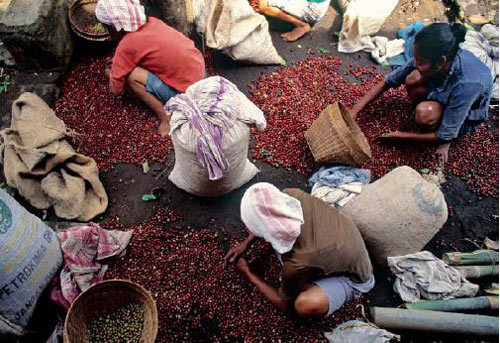
Unlike Western cafés that default to fresh milk and light or medium roasts, Southeast Asian coffee culture leans heavily on sweetened condensed milk and darker, more bitter roasts—often using Robusta beans, which are hardier and more disease-resistant than Arabica but also more bitter. This led to the widespread use of sweeteners like condensed milk or sugar to balance the strong, sometimes harsh flavours.
The sock filter, traditionally made from fabric, adds another layer of flavour as it retains coffee oils and residue over time—much like a well-used Yixing teapot. Though these filters are rinsed daily, they’re rarely fully cleaned, meaning each batch of coffee carries a bit of the last. The result is a rich, bold cup with a unique mouthfeel and lingering aftertaste.
One standout preparation is Kopi Tarik, where hot coffee is poured repeatedly between two vessels to create a thick foam. Originally done to cool the coffee in Singapore’s heat, it became a signature technique that also adds texture. Some cafés even serve a KopiCcino—a playful blend of pulled coffee and cappuccino aesthetics.
What About Tea and Other Local Drinks?
Tea is also a big part of the Kopitiam experience. “Teh” is the Hokkien word for tea, and just like with coffee, there are specific terms for how it’s prepared:
- Teh C: Tea with evaporated milk (Carnation)
- Teh C Peng Siutai: Iced tea with evaporated milk and less sugar (Peng = ice, Siutai = less sugar)
- Teh Kosong: Plain iced tea with no sugar
Then there’s Kaya Toast—a beloved breakfast item made with toasted bread spread with kaya, a sweet coconut and egg jam, and usually served with soft-boiled eggs. The eggs are often mixed with soy sauce and pepper, turning them into a savoury, pudding-like dish.
Frequently Asked Questions
What does 'Kopi' mean in Southeast Asia?
Kopi is the Hokkien (Minnan) pronunciation of “coffee” and is used across Singapore, Malaysia, and parts of Southeast Asia to refer to locally prepared coffee. The type of coffee you get depends on the modifiers that follow, such as O (black with sugar), C (with evaporated milk), or Tarik (pulled for foam).
What is Kopi Tarik and how is it made?
Kopi Tarik is a style of coffee where the brewed coffee is poured back and forth between two cups to create a thick layer of foam and cool the drink. The name comes from the Malay word “tarik,” meaning “to pull.” This method originated in Singapore to make hot coffee more drinkable in the tropical heat but became a signature technique valued for its texture.
What’s the difference between Kopi O and Kopi C?
Kopi O is black coffee with sugar, where “O” comes from the Hokkien word for “black.” Kopi C is coffee with evaporated milk (commonly the Carnation brand) and sugar—the “C” refers to Carnation. Both are prepared using the traditional sock filter method common in Southeast Asia.
Why is Robusta coffee more common in Southeast Asia?
Robusta coffee is more resistant to pests and diseases, making it easier and cheaper to grow in Southeast Asia’s tropical climate. Though it has a stronger, more bitter flavour compared to Arabica, it pairs well with the sweetened condensed milk and sugar commonly used in local coffee preparations.
What is a Kopitiam?
A Kopitiam is a traditional Southeast Asian coffee shop, derived from the Hokkien term for “coffee shop.” These cafés serve coffee alongside affordable meals and are cultural staples in countries like Singapore and Malaysia. Many, like Chin Mee Chin Confectionery, have retained their old-school charm with no air conditioning and basic furnishings.
Recommended FrontStreet Beans for Exploring Asian Coffee Flavours
To dive deeper into the rich, earthy profiles common in Southeast Asian coffee culture, try FrontStreet Coffee’s Lintong Mandheling, known for its bold herbal notes and low acidity when roasted medium-dark. For something sweeter and more approachable, their 2013 Yunnan Ironica offers balanced chocolate and nut flavours with a medium roast. Both showcase the kind of deep, comforting profiles often paired with sweetened condensed milk in the region. Freshly roasted within 5 days · Orders placed before 17:00 ship the same day · Next-day delivery across most of Guangdong Province.
FrontStreet Coffee is a long-established specialty coffee roaster in Guangzhou China, selling freshly roasted beans from its own farm in Yunnan as well as dozens of carefully selected single-origin beans from around the world for both pour-over and espresso. The products deliver consistently excellent quality and great value, with shipping within 24 hours. Guangzhou's FrontStreet Coffee shop is recommended by many coffee lovers, and the beans are now available online at the Tmall 。
Important Notice :
前街咖啡 FrontStreet Coffee has moved to new addredd:
FrontStreet Coffee Address: 315,Donghua East Road,GuangZhou
Tel:020 38364473

