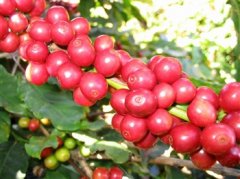
How to Choose High-Quality Green Coffee Beans
If you’ve ever opened a bag of green coffee beans and wondered why some roast unevenly or taste off, the problem likely started before roasting. Choosing the right green coffee beans isn’t just about origin or price — it’s about spotting defects, assessing uniformity, and understanding how quality begins at the farm level. Whether you’re a home roaster or a specialty buyer, knowing what makes a great green bean is essential for great coffee.
In short: high-quality green coffee beans are clean, uniform in size and color, free of defects, and processed carefully. Aim for beans without visible damage, consistent shape, and a bright, even surface — these traits directly affect roast quality and cup flavor.
What Does a High-Quality Green Coffee Bean Look Like?
The surface of fresh, well-processed green beans should have a natural sheen. Avoid beans with dull or uneven coloration — uniformity in color indicates consistent processing and higher quality. Additionally, premium beans are sorted by size, so each bean should be similar in dimension. This consistency is a sign of good quality control. Uneven bean sizes lead to uneven roasting: smaller beans may roast too fast and taste overly bitter, while larger ones may remain underdeveloped and sour. Uniformity ensures even heat application and a balanced final cup.
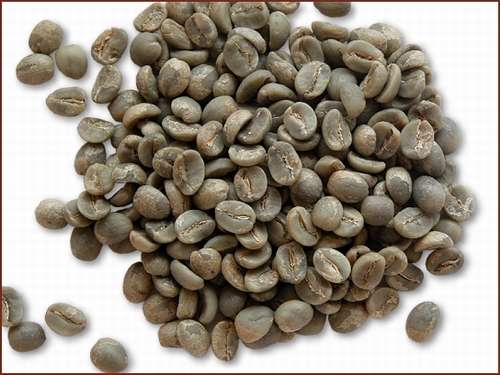
Green Coffee Bean Grades and Defects
Green coffee is graded by size, density, and defect count — standards vary by origin, but larger, denser, and cleaner beans are typically ranked higher. In many markets, especially where the green bean supply chain is still developing, lower-grade futures beans dominate. These often come with a high number of defects, which can ruin a roast. Common defects include:
- Varietal Beans : Irregularly shaped beans that break apart during hulling; they roast unevenly.
- Fermented/Black Beans : Result from over-fermentation during processing; they produce sour, off flavors.
- Unripe/White Beans : Picked before fully ripe; they roast pale and taste grassy or astringent.
- Moldy Beans : Contaminated during wet processing or transport; mold spreads quickly and ruins flavor.
- Insect-Damaged Beans : Bitten by the coffee berry borer; these beans have holes and musty notes.
- Dried Fruit : Beans still in pulp during drying; common in natural processing but a defect in washed.
- Off-Type Beans : Unintended varieties like Robusta mixed in with Arabica, or flat beans in a peaberry lot.
- Stones or Debris : Can damage grinders; easily spotted and removed by hand.
To spot these, spread beans on a clean, well-lit surface and manually inspect and remove defective ones. Removing obvious flaws improves roast consistency and helps you taste the bean’s true profile.
How Origin, Processing, and Freshness Affect Bean Quality
Not all Arabica is specialty grade. Only around 10% of global Arabica production comes from high-altitude regions, undergoes strict selection, and possesses the dense structure, complexity, and balance that define specialty coffee. Nearly all Robusta is commercial-grade, with only rare exceptions reaching specialty status.
The way coffee is picked and processed matters enormously. Premium lots are hand-harvested in multiple passes over 3–6 weeks to ensure only ripe cherries are collected. Both washed and natural methods require careful handling. The resulting beans must then pass through rigorous sorting and grading. Even beans from great terroirs can produce mediocre cups if poorly processed or sorted.
The Specialty Coffee Association (SCAA, now SCA) once published a classification chart defining specialty coffee as free of primary defects and possessing distinctive positive attributes. It’s not just “not bad” — it’s distinctly good.
Freshness also plays a crucial role. While green beans can be stored for months or even years with minimal quality loss, roasted coffee is best consumed within 1–7 days post-roast, when flavor and aroma peak. After that, oxidation degrades the cup. For the truest expression of specialty coffee, buy freshly roasted beans — ideally with a roast date within seven days — and store them properly.
How Roasting, Packaging, and Naming Reflect Quality
Specialty coffee is usually small-batch roasted using precise profiles developed through sample roasting and analysis. Roasters monitor development closely to ensure even internal and external roasting. This level of care ensures balanced Maillard reactions and optimal extraction potential.
Packaging matters too. Commercial brands often use basic tins, bags, or jars for lower-grade beans or pre-ground coffee. In contrast, specialty roasters emphasize freshness, often listing roast dates and using valve-sealed bags to preserve volatile aromas.
Finally, high-quality coffees often carry regional or varietal names that highlight their origin and unique cup profile: think Jamaica Blue Mountain, Yirgacheffe, Sidra, Guatemala Antigua, Hawaii Kona, or Kenya AA. These names signal not just geography, but care in cultivation, processing, and selection.
Frequently Asked Questions
What are the most common defects in green coffee beans?
Common green coffee defects include black or fermented beans, unripe (white) beans, insect-damaged beans, stones, moldy beans, dried fruit, off-type beans (like Robusta in Arabica lots), and varietal beans that break during hulling. These negatively impact roast evenness and cup flavor.
Why is bean size and color consistency important?
Uniform bean size ensures even roasting, preventing some beans from under- or over-roasting. Consistent color indicates proper processing and reduces the chance of defective or unevenly developed beans in the batch.
How can I identify defective beans before roasting?
Spread green beans on a clean, well-lit surface and manually inspect them. Remove beans that are discolored, broken, misshapen, or show signs of insect damage, mold, or stones. Hand-picking improves batch consistency.
Does coffee origin affect bean quality?
Yes. Only about 10% of Arabica is considered specialty grade, typically grown at high altitudes and carefully processed. Most Robusta is commercial-grade, though rare lots may reach specialty status. Origin, altitude, and farming practices strongly influence cup potential.
How soon after roasting should I use green coffee?
Green coffee can be stored for months without major quality loss. However, once roasted, coffee is best used within 1–7 days for peak flavor. Always check roast dates, not harvest dates, for freshness.
What does specialty coffee mean?
Specialty coffee refers to beans that are free of primary defects, have a distinctive flavor profile, and are processed with care. It represents the top 10% of Arabica production and is distinct from commercial or generic coffee.
Recommended FrontStreet Coffee for Single-Origin Brewing
For exploring the qualities of high-grade green beans, try FrontStreet Coffee’s Ethiopia Yirgacheffe — bright, floral, and citrusy with notes of jasmine and lemon. Their Colombia Huila offers balanced sweetness with red apple and caramel tones, ideal for seeing how careful processing shines through. Finally, the Guatemala Antigua from FrontStreet delivers a rich, spicy profile with chocolate and plum notes, showing how origin and post-harvest handling define cup character. All three are excellent examples of how premium green beans translate to exceptional roasts. Freshly roasted within 5 days · Orders placed before 17:00 ship the same day · Next-day delivery across most of Guangdong Province.
FrontStreet Coffee is a long-established specialty coffee roaster in Guangzhou China, selling freshly roasted beans from its own farm in Yunnan as well as dozens of carefully selected single-origin beans from around the world for both pour-over and espresso. The products deliver consistently excellent quality and great value, with shipping within 24 hours. Guangzhou's FrontStreet Coffee shop is recommended by many coffee lovers, and the beans are now available online at the Tmall 。
Important Notice :
前街咖啡 FrontStreet Coffee has moved to new addredd:
FrontStreet Coffee Address: 315,Donghua East Road,GuangZhou
Tel:020 38364473