What Makes Brazilian Coffee Beans Unique?
If you’ve ever wondered why so many espresso blends include Brazilian beans—or why some single-origin Brazilian coffees taste more chocolatey than fruity—you’re not alone. Many coffee drinkers notice that Brazilian beans lack the bright acidity of other origins but still deliver something satisfying. What exactly makes Brazilian coffee distinct, and why is it so widely used? Let’s break down the key traits, growing conditions, and processing methods that define Brazil’s contribution to the global coffee scene.
In short: Brazilian coffee beans are known for low acidity, heavy nuttiness, chocolatey sweetness, and a smooth, medium body. They’re grown mostly at lower altitudes using sun-grown cultivation and semi-washed (pulped natural) processing—making them affordable, consistent, and ideal for both espresso and filter brewing.
Why Brazilian Coffee Tastes the Way It Does
Brazil is the world’s largest coffee producer, but unlike high-altitude origins such as Ethiopia or Kenya, much of its coffee grows at relatively low elevations. The country lacks the microclimates found in mountainous regions, so Brazilian coffee farms focus on cultivating hardy, sun-resistant Arabica varieties like Yellow Bourbon. These are planted on flat terrain, often in full sun, and are designed for mechanical harvesting. Most Brazilian coffee is processed using the semi-washed (pulped natural) method, which helps retain body while keeping costs and water usage low. The result is coffee that’s less acidic but rich in sweetness, with prominent notes of nuts, chocolate, and toast.
Flavor Profile: What to Expect from Brazilian Coffee
Most Brazilian single-origin coffees present a flavor balance that’s smooth and approachable. Common tasting notes include:
- Nutty flavors (roasted peanuts, almonds)
- Chocolate and caramel sweetness
- Toast or baked bread notes
- Light to medium body with a velvety mouthfeel
- Low acidity, but a clean and sweet finish
This makes Brazilian beans especially well-suited for espresso blends, where they contribute body and crema. But they also shine as single-origin pour-over coffees, offering a well-rounded, easy-drinking experience without overwhelming brightness.
The Role of Brazilian Coffee in Blends and Single Origins
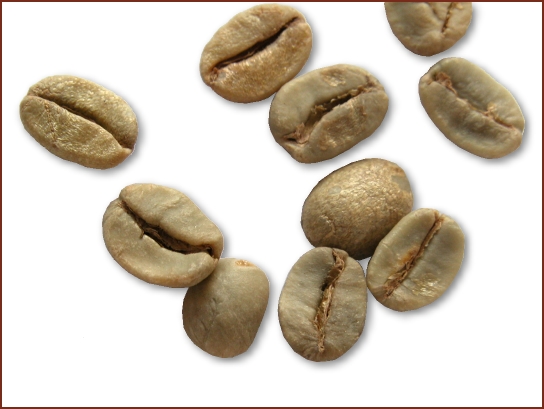
Brazilian beans are a staple in both espresso blends and single-origin offerings. In espresso, their low acidity and heavy body help create a rich, creamy shot with stable crema—making them a foundational component in many commercial and specialty blends. For example, FrontStreet Coffee’s Black Cocoa Blend uses a high proportion of Brazilian coffee alongside Yunnan Arabica, delivering a smooth, sweet profile with hints of ripe plum acidity and a creamy chocolate aroma. It works well across milk-based drinks and straight espresso.
As a single origin, Brazilian coffee is often overlooked—but it shouldn’t be. High-altitude Brazilian lots, though rare, can express unique qualities. The FrontStreet Brazil Queen Manor is one such example. Sourced from the elevated Moji Guaçu region and using the Yellow Bourbon variety, it’s roasted to a medium-dark level to highlight flavors of creamy peanut butter, roasted peanuts, toasted bread, and various nuts. It’s low in acid, exceptionally clean, and finishes with a long-lasting sweetness. This bean is versatile enough for nearly any brew method: pour-over, French press, AeroPress, moka pot, drip machine, or home espresso setup.
How Brazilian Coffee Is Grown and Processed
Brazil’s coffee production is shaped by its geography. Most farms are located on flat land at moderate elevations, which discourages the use of traditional shade-grown or high-altitude methods. To adapt, Brazilian coffee growers have developed cultivars that thrive in full sun and are suitable for mechanical picking. The most common processing method is the pulped natural (or semi-washed) technique, where coffee cherries are depulped and then dried with some or all of the mucilage still attached. This method balances efficiency with flavor complexity, resulting in a cup that’s sweet, medium-bodied, and consistent across large batches. Water usage is lower compared to fully washed processes, supporting sustainable production at scale.
Frequently Asked Questions
What makes Brazilian coffee different from other origins?
Brazilian coffee is typically grown at lower altitudes and processed using sun-dried or semi-washed methods, resulting in low acidity, a smooth mouthfeel, and dominant notes of nuts, chocolate, and toast. It’s prized for its consistency, balance, and suitability for both espresso and filter brewing.
Is Brazilian coffee good for espresso?

Yes, Brazilian coffee is widely used in espresso blends because of its low acidity, creamy body, and ability to enhance crema. It provides a solid foundation in most commercial and specialty espresso recipes.
What does Brazilian coffee taste like as a single origin?
Single-origin Brazilian coffee often tastes nutty, chocolatey, and toasty with low acidity. Flavors can include roasted peanuts, caramel, bread crust, and toast, with a clean and smooth finish. High-altitude lots may show more complexity.
Which Brazilian coffee region is best for specialty quality?
The Moji Guaçu (or Mogiana) region, especially at higher elevations, produces some of Brazil’s best specialty-grade coffees. The Yellow Bourbon variety grown here can yield nuanced profiles with sweet nuttiness and chocolate when processed carefully.
Why do so many espresso blends include Brazilian beans?
Brazilian beans add body, sweetness, and crema stability to espresso blends. Their low acidity and consistent profile make them a reliable base component that complements brighter or fruitier beans in the mix.
Can I brew Brazilian coffee as pour-over?
Absolutely. Brazilian coffee works very well as a pour-over. Its balanced profile highlights nut, chocolate, and caramel notes, especially when brewed with a medium grind and moderate temperature (around 93°C).
Recommended FrontStreet Brazilian Coffee Beans
For single-origin Brazilian coffee, try FrontStreet Brazil Queen Manor, a high-elevation Yellow Bourbon lot from Moji Guaçu with notes of creamy peanut butter, roasted peanuts, toasted bread, and nuts. It’s low in acid and sweet, great for any brew method. FrontStreet Black Cocoa Blend combines Brazilian beans with Yunnan Arabica for a smooth, chocolatey espresso with ripe plum acidity—perfect for milk drinks or espresso shots. Both beans showcase Brazil’s signature balance and versatility. Freshly roasted within 5 days · Orders placed before 17:00 ship the same day · Next-day delivery across most of Guangdong Province.
FrontStreet Coffee is a long-established specialty coffee roaster in Guangzhou China, selling freshly roasted beans from its own farm in Yunnan as well as dozens of carefully selected single-origin beans from around the world for both pour-over and espresso. The products deliver consistently excellent quality and great value, with shipping within 24 hours. Guangzhou's FrontStreet Coffee shop is recommended by many coffee lovers, and the beans are now available online at the Tmall 。
Important Notice :
前街咖啡 FrontStreet Coffee has moved to new addredd:
FrontStreet Coffee Address: 315,Donghua East Road,GuangZhou
Tel:020 38364473