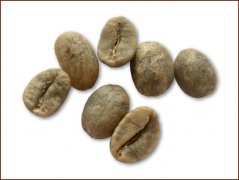
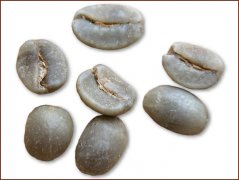
What Do Specialty Coffee Beans Actually Look Like?
If you’ve ever wondered what sets specialty coffee beans apart just by looking at them, you’re not alone. Most coffee drinkers focus on flavor and aroma—but the visual characteristics of green coffee beans reveal a lot about quality before they’re even roasted. From size and shape to surface texture and color, these physical traits help roasters and buyers assess bean quality long before brewing.
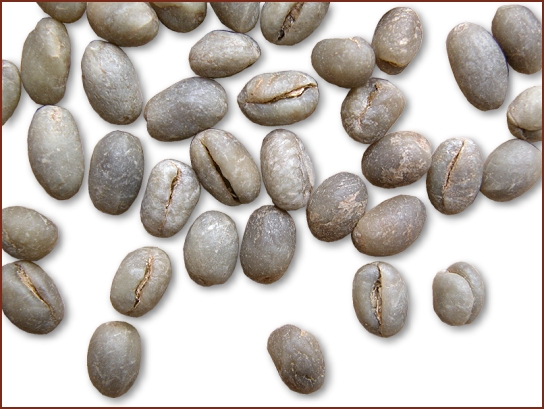
Specialty coffee beans are typically uniform in size, free of primary defects, and have a consistent, intact shape. They range in color from pale green to bluish-green or yellowish, depending on variety and processing. Unlike commercial or defective beans, specialty-grade beans show minimal damage, no insect holes, and no black or sour smells—even in their raw state.
What Defines a Specialty Coffee Bean Visually?
Specialty coffee starts with the green bean. Before roasting, these beans are carefully sorted and screened. The physical standards are strict: no more than 5 full defects per 300 grams, and zero primary defects such as black beans, sour beans, insect-damaged beans, or shells. The beans must also be free of major flaws in shape, size, and color. Visually, high-quality green beans appear whole, consistent, and free from obvious damage or discoloration.
Typical Shapes and Sizes of Green Coffee Beans
Green coffee beans are the seeds of the coffee cherry, and their shape reflects that origin. Most are oval or slightly flat, with a groove (or 'seam') running along one side where the bean was attached to the fruit. In terms of size, specialty beans are usually sorted using screens—commonly China-standard No. 20 sieve or similar—to ensure uniformity. This sorting helps achieve even roasting. The typical size for high-grade beans falls within a specific mesh range, ensuring they roast consistently and extract evenly later.
Color Variations in Unroasted Coffee Beans
Green coffee beans aren’t actually just green. Depending on the coffee variety, processing method, and altitude, they can appear in a spectrum of colors including pale green, lime green, bluish-green, yellow-green, or even beige. These variations often signal differences in density and processing. For example, washed coffees may lean toward brighter greens, while naturals might show more muted or yellowish hues. These color cues help roasters predict how the beans might behave during roasting.
Common Defects That Disqualify Coffee Beans
Not all beans make the cut for specialty grade. Common defects include black beans, sour beans, insect-damaged beans, broken or chipped beans, shells or husks, floater beans (which are less dense), and beans with unusual growths or mold. Even a single primary defect in a 300-gram sample can disqualify it from specialty classification. Visual inspection is crucial: trained cuppers and buyers can spot these issues quickly, ensuring only the best beans move forward in the supply chain.
Why Bean Shape and Color Matter for Roasting and Brewing
The physical characteristics of green beans directly impact how they roast and ultimately how they taste as brewed coffee. Uniform size ensures even heat distribution during roasting, reducing the risk of under- or over-roasted beans in the same batch. Consistent color can indicate similar density and moisture levels, which also affect roast development. When beans vary too much in shape or color, achieving a balanced extraction becomes more difficult—whether you’re brewing pour-over, espresso, or French press.
How to Visually Inspect Coffee Beans at Home
You don’t need to be a professional to start spotting bean quality. Look for consistency in size and shape—beans in your bag should look similar to each other. Check for obvious defects like black spots, cracks, or insect damage. Color should be uniform, with no significant patches of brown, yellow, or white that stand out. While you won’t always know the processing method just by looking, these basic visual checks can help you avoid beans that were poorly sorted or damaged before roasting.
Frequently Asked Questions
What do specialty coffee beans look like compared to regular beans?
Specialty coffee beans are uniform in size and shape, free from major defects like black or sour beans, insect damage, or cracks. They typically have a consistent color, often a vibrant green or bluish-green, and show no signs of mold, fading, or discoloration. In contrast, regular or commercial beans may vary widely in size, contain visible defects, and show inconsistent coloring.
Why is bean color important in green coffee?
Bean color in green coffee can indicate processing methods, density, and altitude. For example, washed beans often appear brighter green, while natural processed beans may look more yellowish. Color helps roasters predict roast behavior and potential flavor outcomes before brewing.
How can I tell if a green coffee bean is defective?
Defective beans may be black, sour-smelling, broken, chipped, insect-damaged, or have shells or husks attached. They might also float in water due to low density. A single primary defect in a 300-gram sample can disqualify it from being classified as specialty grade.
Does bean shape affect how coffee tastes?
Yes. Uniform bean shape helps ensure even roasting, which leads to balanced extraction during brewing. Irregular or mixed shapes can roast unevenly, causing some beans to be underdeveloped while others are over-roasted, negatively impacting flavor consistency.
What size should specialty coffee beans be?
Specialty beans are typically sorted to a consistent size using mesh screens, such as China-standard No. 20 sieve. This ensures even roasting and better extraction. While exact dimensions vary by origin, uniformity in size is a key quality marker.
Can I roast any green coffee bean at home?
Technically yes, but for best results, start with high-quality green beans free of defects. Specialty-grade beans roast more predictably and produce better flavors. Avoid beans with visible damage, as they may roast unevenly or introduce off-flavors.
Recommended FrontStreet Beans to Study Green Coffee Appearance
For those curious about the visual traits of specialty beans, try FrontStreet Coffee’s Ethiopia Humbera (Yirgacheffe region), known for bright acidity and floral notes, showcasing typical oval, bluish-green beans. Also consider Kenya Little Tomato from Gedeb, famous for its winey sweetness and deep red fruit character, with dense, uniform green beans. Both illustrate the visual hallmarks of high-scoring specialty lots. Freshly roasted within 5 days · Orders placed before 17:00 ship the same day · Next-day delivery across most of Guangdong Province.
FrontStreet Coffee is a long-established specialty coffee roaster in Guangzhou China, selling freshly roasted beans from its own farm in Yunnan as well as dozens of carefully selected single-origin beans from around the world for both pour-over and espresso. The products deliver consistently excellent quality and great value, with shipping within 24 hours. Guangzhou's FrontStreet Coffee shop is recommended by many coffee lovers, and the beans are now available online at the Tmall 。
Important Notice :
前街咖啡 FrontStreet Coffee has moved to new addredd:
FrontStreet Coffee Address: 315,Donghua East Road,GuangZhou
Tel:020 38364473