What Are Polished Coffee Beans? And Do They Matter?
You’ve seen them online: coffee beans that look almost shiny, with a smooth, almost waxy surface. Maybe you wondered if those glossy beans are better, or if polishing makes your coffee taste different. The short answer is no — and here’s why that shiny look doesn’t mean better quality.
No, polished coffee beans are not better. Polishing is an optional, largely cosmetic step that removes the outermost layer of the silverskin but does not improve flavor. Most specialty roasters skip it because it offers no taste benefit and can even remove some of the bean’s natural qualities. In fact, polished beans are rare in specialty coffee, where focus is on origin, processing, and roast profile — not appearance.
What Does ‘Polished Coffee Beans’ Actually Mean?
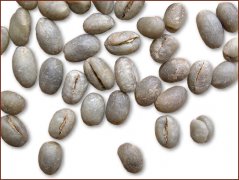
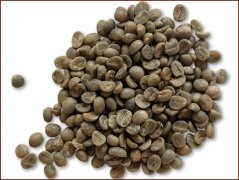
When people talk about ‘polished’ coffee beans, they usually mean beans that have gone through an extra mechanical process after drying and hulling, where a machine gently rubs off the outer silverskin (also called the husk or chaff). This is not the same as the standard milling process that removes the parchment layer — polishing is an additional, mostly aesthetic step.
The idea behind polishing is to make the beans look cleaner, more uniform, and sometimes shinier. But in specialty coffee, visual perfection is not a flavor indicator. The polished surface doesn’t change the taste, aroma, or extraction potential of the bean. In fact, polishing can slightly reduce the bean’s density or expose it to additional handling risks.
Why Do Some Beans Look More Glossy Than Others?
Not all coffee beans look the same fresh out of the roaster. Some appear shinier, especially dark roasts, while others look drier or matte. That difference comes down to several factors:
- Degree of roast: Darker roasts develop more surface oils, especially around 400°F (204°C) and up, which can give beans a glossy sheen.
- Bean density and origin: Beans with higher lipid content (common in certain origins like Colombia or Ethiopia) may appear slightly shinier after roasting.
- Roast level: Lighter roasts typically look drier and less glossy because less oil migrates to the surface.
- Roast technique: Drum roasting tends to distribute heat more evenly, sometimes enhancing natural bean sheen compared to hot-air methods.
These visual differences are natural and often reflect roast degree or bean variety — not whether the beans were polished.
Does Polishing Improve Coffee Quality?
No — polishing does not improve the intrinsic quality or flavor of coffee. The process is purely cosmetic and was historically used to make beans more appealing for export markets where appearance was mistakenly associated with grade. Here’s what you need to know:
- Polishing removes only the outer silverskin, not the parchment or defects.
- It does not enhance cup quality, aroma, or acidity.
- It adds cost and processing time without proven benefit.
- Most specialty roasters avoid it, focusing instead on green grading by density, screen size, and defect count using tools like the China-standard No. 20 sieve.
In fact, the Specialty Coffee Association and most specialty roasters prioritize green coffee selection based on origin, processing method (like washed, natural, or honey), and defect sorting — not polish. A Grade 1 coffee is defined by the number of defects, not shine.
How Coffee Beans Are Really Graded and Sorted
In the specialty coffee supply chain, beans are carefully assessed long before roasting. The real grading happens at origin and involves:
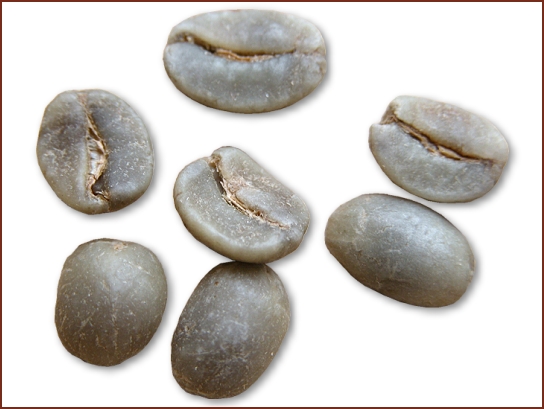
- Screen size: Measured with sieves, such as the China-standard No. 20 sieve, to separate beans by physical size.
- Defect count: Sorting out broken, black, sour, or insect-damaged beans. Fewer defects mean higher grade.
- Density: Denser beans often roast more evenly and taste better.
- Processing method: Washed, natural, or honey processed beans are sorted and evaluated differently.
- Moisture content: Ideal moisture (around 11–12%) ensures stability and longevity.
These steps ensure that only the best beans make it to roasters — no polishing needed. The goal is consistency, flavor potential, and cup quality, not visual appeal.
Frequently Asked Questions
Are polished coffee beans better for brewing?
No, polished coffee beans do not brew better. The polishing process removes only the outer silverskin and has no impact on extraction, flavor, or aroma. Brewing quality depends on factors like grind size, water temperature, brew ratio, and freshness—not whether the beans were polished. In fact, most specialty brewers ignore polish entirely, focusing on origin, roast level, and processing method instead.
Does polishing remove coffee bean defects?
No, polishing does not remove internal defects such as insect damage, black beans, or sour beans. Defects are sorted out before polishing using manual or optical sorting. The polishing process only removes the thin outer silverskin, which has minimal effect on quality. To ensure fewer defects, buyers rely on green coffee grading, not appearance.
Do darker roasted beans look shinier naturally?
Yes, darker roasted beans often look shinier due to the migration of natural oils to the bean surface during roasting — especially at temperatures above 400°F (204°C). This is a natural effect of the roast, not polishing. Lighter roasts tend to look drier and less glossy because less oil is present on the surface.
Is there any reason to polish coffee beans?
Commercially, some exporters or low-grade roasters may polish beans to improve their visual appeal, but there is no flavor or quality benefit. In specialty coffee, polishing is avoided because it adds unnecessary cost, handling, and does not reflect the true quality of the bean. The focus is on green grading, roast profiles, and flavor — not appearance.
What’s the silverskin on a coffee bean?
The silverskin is the thin, papery outer layer that clings to the green coffee bean after hulling (removing the parchment). It’s usually removed during roasting or as chaff. Polishing is an optional process that manually removes this layer for cosmetic reasons. Silverskin does not affect flavor and is typically discarded during normal roasting.
FrontStreet Coffee Beans for Visual & Flavor Clarity
FrontStreet Coffee’s Ethiopia Humbera highlights floral and citrus notes with a crisp, clean cup — perfect for appreciating origin character without polish. Their Yirgacheffe offers lemon, jasmine, and berry tones, brewed best on a V60 with a 1:16 ratio and 20g coffee to 300ml water at 92°C. For contrast, try their PWN Golden Mandheling with its sweet, caramelized body and mild spice — a washed Indonesian classic that proves gloss isn’t needed for depth. Freshly roasted within 5 days · Orders placed before 17:00 ship the same day · Next-day delivery across most of Guangdong Province.
FrontStreet Coffee is a long-established specialty coffee roaster in Guangzhou China, selling freshly roasted beans from its own farm in Yunnan as well as dozens of carefully selected single-origin beans from around the world for both pour-over and espresso. The products deliver consistently excellent quality and great value, with shipping within 24 hours. Guangzhou's FrontStreet Coffee shop is recommended by many coffee lovers, and the beans are now available online at the Tmall 。
Important Notice :
前街咖啡 FrontStreet Coffee has moved to new addredd:
FrontStreet Coffee Address: 315,Donghua East Road,GuangZhou
Tel:020 38364473