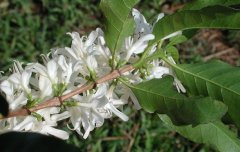
What’s Inside a Coffee Bean? Anatomy Explained
You’ve held roasted coffee beans in your hand—but have you ever wondered what’s really inside one before it reached your grinder? Understanding the full structure of a coffee bean helps explain how flavor develops, why some beans process differently, and even how to spot defects. This guide breaks down every layer of the coffee cherry and bean, with visual references to help you see what professionals see.
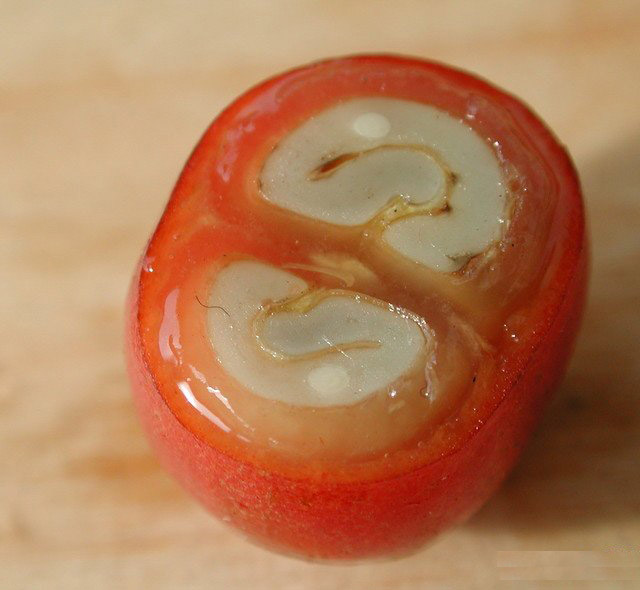
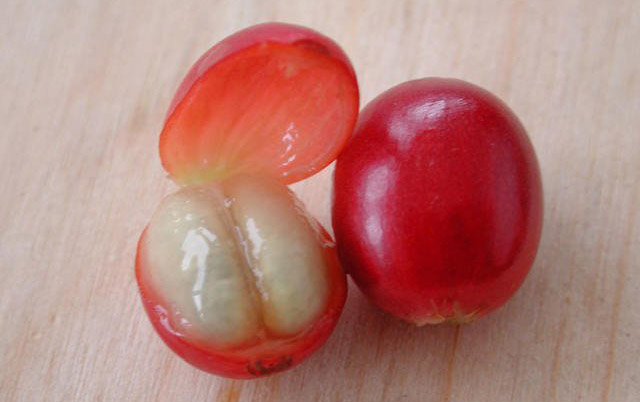
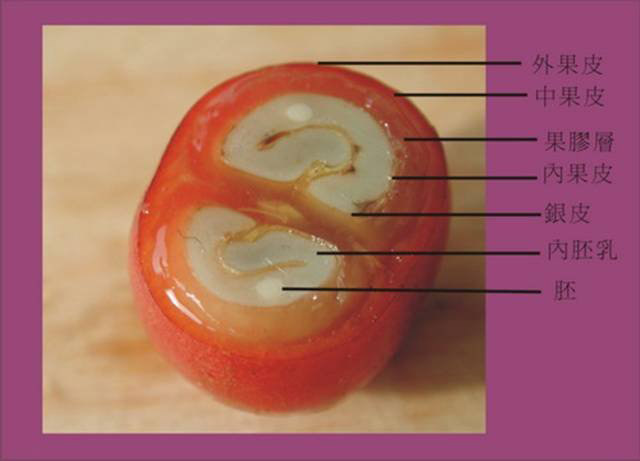
A typical coffee cherry holds two seeds (beans), each wrapped in layers: outer skin (exocarp), fruity pulp (mesocarp), sticky mucilage (pectin layer), parchment (endocarp), silverskin (spermoderm), and the bean itself made of endosperm with an embryo inside. That’s seven distinct layers from tree to cup.
From Cherry to Bean: The Coffee Fruit Structure
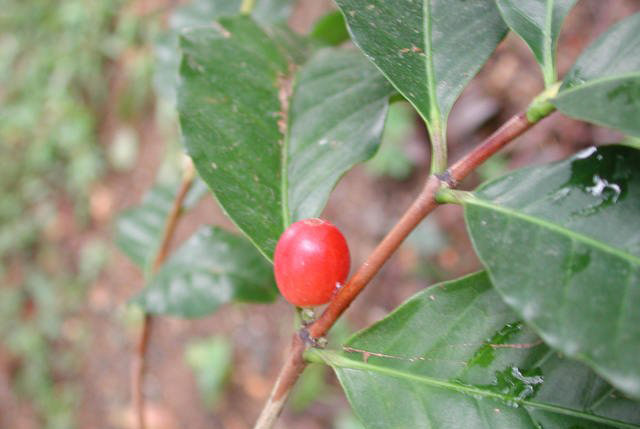
The coffee plant produces a fruit known as the coffee cherry. When ripe, it typically holds two coffee beans facing each other inside. The cherry has several layers that must be removed during processing to get to the green coffee bean. Each of these layers contributes to the bean’s development and can affect flavor if not properly handled.
The main parts of the coffee cherry include:
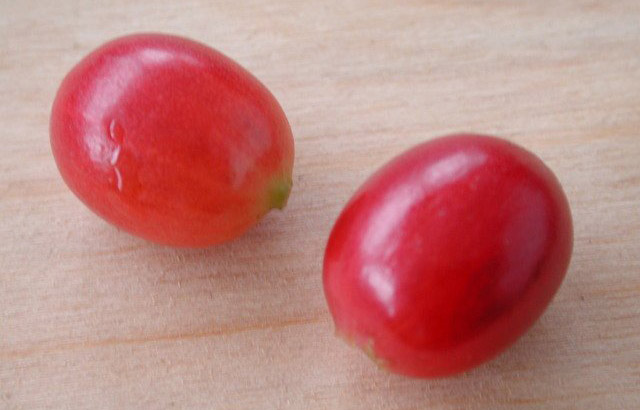
- Outer Skin (Exocarp): The bright red or yellow skin you see when the cherry is ripe.
- Mesocarp (Pulp): The juicy, sweet fruit layer surrounding the beans.
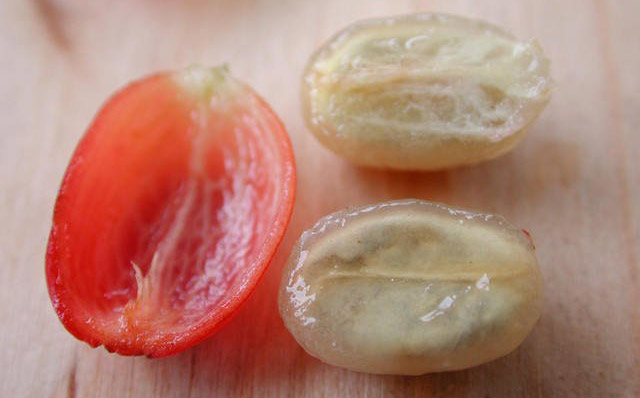
- Pectin Layer (Mucilage): A sticky, sugary layer that is crucial in fermentation during processing.
- Endocarp (Parchment): A tough, protective husk that encases the beans.
Inside the Parchment: The Green Coffee Bean Layers
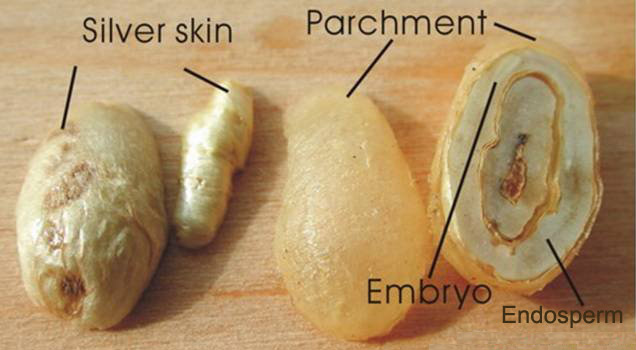
Once the outer layers are removed, you reach the parchment-covered coffee bean. This is the form most farmers sell, and it’s still not the final product you roast. Inside the parchment shell are the beans we know as green coffee, plus additional protective layers.
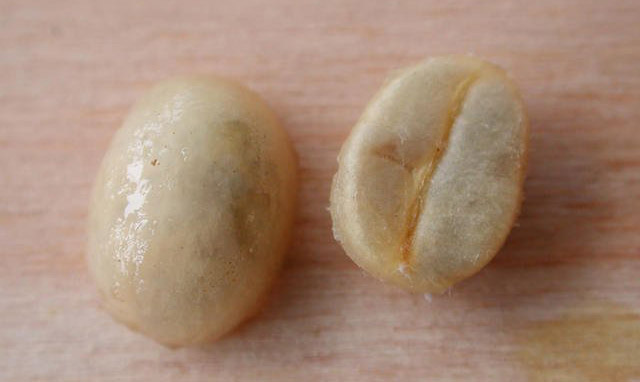
- Parchment (Endocarp): The hard outer shell protecting the two beans inside the cherry. Removed during milling.
- Silverskin (Spermoderm): A thin, papery membrane clinging to the green bean, visible after roasting.
- Green Coffee Bean (Endosperm): The actual seed composed mainly of endosperm tissue, which stores energy for the developing plant embryo.
- Embryo (Bean Core): The small part of the bean that can sprout into a new coffee plant under the right conditions.
Detailed Breakdown: What Makes Up a Single Coffee Bean
Each green coffee bean consists of several structural components that influence how it roasts and brews:
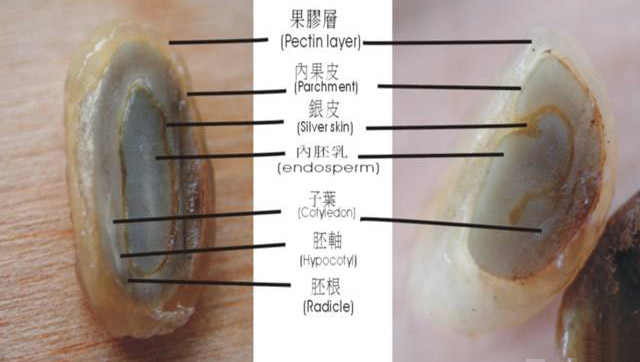
- Endosperm: The starchy, nutrient-rich part making up most of the bean. It’s where sugars and acids develop, critical for flavor.
- Silverskin (Spermoderm): The thin, tough layer remaining on beans after hulling. Often still present after roasting and can flake off during grinding.
- Embryo (Bean Core): Includes the embryonic shoot (plumule) and root (radicle), along with cotyledons (seed leaves). Though tiny, it’s vital for the bean’s potential to germinate.
- Bean Shape & Twin Beans: Most cherries produce two flat-sided beans. Rarely, a cherry produces a single round bean called a peaberry (~5% of beans), which sometimes roasts and flavors differently.
The internal composition includes:
- Endosperm (also called the bean body)
- Embryonic axis (including plumule and radicle)
- Cotyledons (bean leaves)
- Silverskin (thin outer layer)
How Processing Affects Coffee Bean Anatomy
The way coffee is processed—washed, natural, or honey—affects how these layers break down and how the bean ultimately tastes. For instance:
- In washed processing, the mucilage (pectin layer) is completely removed, leading to cleaner flavors.
- Natural processing leaves the bean inside the cherry to dry with the pulp, often resulting in fruitier, sweeter profiles.
- Honey processing removes the skin and some pulp but leaves varying amounts of mucilage, creating a spectrum from mild to intense sweetness.
Each method impacts how the bean’s moisture, sugars, and acids develop, which in turn affects roast behavior and extraction during brewing.
Frequently Asked Questions
What are the main layers of a coffee cherry?
A coffee cherry has seven main layers: the outer skin (exocarp), pulp (mesocarp), mucilage (pectin layer), parchment (endocarp), silverskin (spermoderm), and the green coffee bean, which itself contains the endosperm and embryo. These layers must all be removed or processed to reach the final green bean used for roasting.
How many coffee beans are in a coffee cherry?
Most coffee cherries contain two coffee beans that sit flat against each other. About 5% of cherries produce a single round bean called a peaberry, which occurs when one seed fails to divide and grows larger on its own.
What is the silverskin on a coffee bean?
The silverskin, or spermoderm, is a thin, papery layer that clings to the green coffee bean beneath the parchment. It often remains on the bean after roasting and can sometimes be seen flaking off during grinding or brewing.
What is the difference between parchment and silverskin?
Parchment is the tough, fibrous hull that surrounds the green coffee bean inside the cherry. It’s removed during milling. Silverskin is a much thinner, almost translucent layer that sticks directly to the green bean and may remain through roasting.
Does the coffee bean embryo grow into a new plant?
Yes, the embryo inside each coffee bean can grow into a new coffee plant if it’s planted under proper conditions. It includes the shoot (plumule) and root (radicle), along with early leaves (cotyledons), though most beans are roasted before this can happen.
Why are there two beans in a coffee cherry?
Coffee cherries usually develop two beans that flatten against each other as they grow. This is the standard formation, while a rarer single bean formation is called a peaberry, which sometimes occurs when only one seed fully develops inside the cherry.
Recommended FrontStreet Beans for Coffee Anatomy Study
Explore the structure and origin of coffee beans with FrontStreet’s Ethiopia Yirgacheffe, a washed single origin with bright citrus and floral notes, and the Guatemala Antigua, a classic washed profile with chocolate and spice. For contrast, try the Natural Ethiopia Humbera, showcasing how fruit-forward processing highlights different bean layers. All three highlight how anatomy and processing shape flavor. Freshly roasted within 5 days · Orders placed before 17:00 ship the same day · Next-day delivery across most of Guangdong Province.
FrontStreet Coffee is a long-established specialty coffee roaster in Guangzhou China, selling freshly roasted beans from its own farm in Yunnan as well as dozens of carefully selected single-origin beans from around the world for both pour-over and espresso. The products deliver consistently excellent quality and great value, with shipping within 24 hours. Guangzhou's FrontStreet Coffee shop is recommended by many coffee lovers, and the beans are now available online at the Tmall 。
Important Notice :
前街咖啡 FrontStreet Coffee has moved to new addredd:
FrontStreet Coffee Address: 315,Donghua East Road,GuangZhou
Tel:020 38364473