How Coffee Trees Bloom: Timing, Anatomy & Flower Behavior
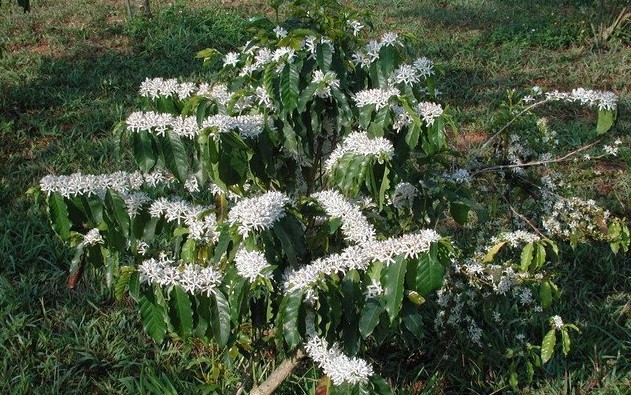
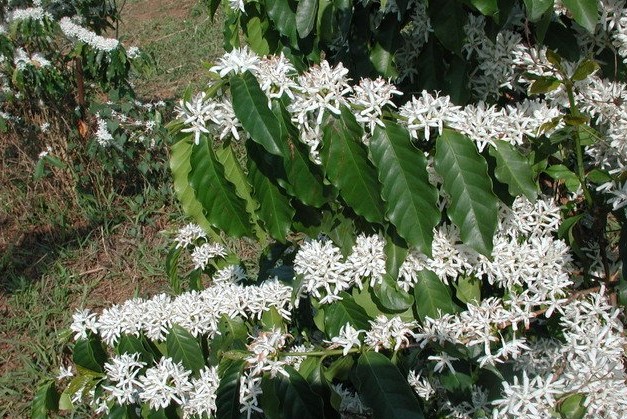
If you’ve ever wondered why some coffee farms suddenly look like they’re covered in snow, the answer isn’t frost—it’s coffee blossoms. These small, fragrant flowers appear briefly each year and mark the start of the coffee cherry development cycle. But when exactly do they bloom, why do some fail to set fruit, and how does variety affect the process? Here’s everything a curious coffee lover needs to know about the coffee tree’s flowering stage.
Coffee trees bloom once a year, usually between 3 to 6 months after new growth appears. Flowering can start as early as November in some regions and continue through June, with peak blooms often occurring between February and April. The exact timing, flower count per node, and fertility depend heavily on the coffee variety, climate, and seasonal conditions.
What Does a Coffee Flower Look Like?
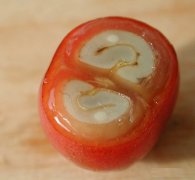
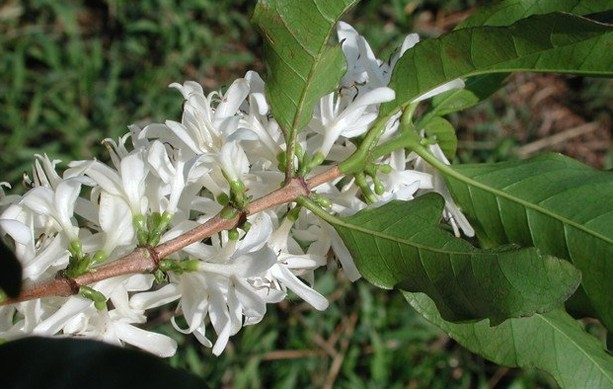
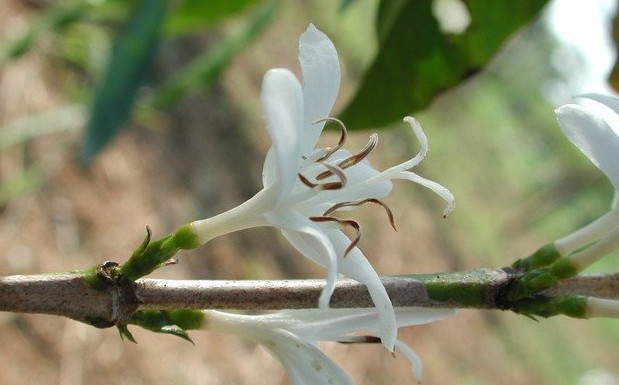
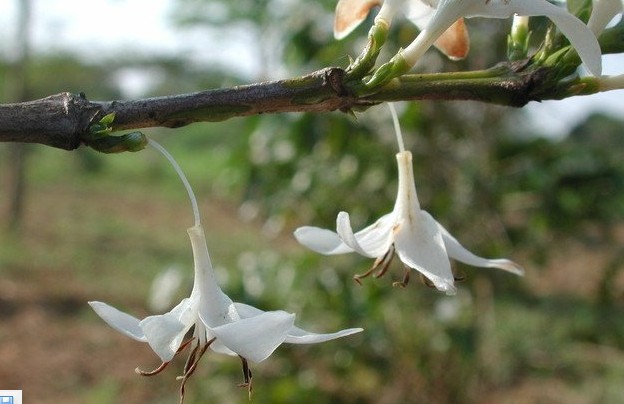
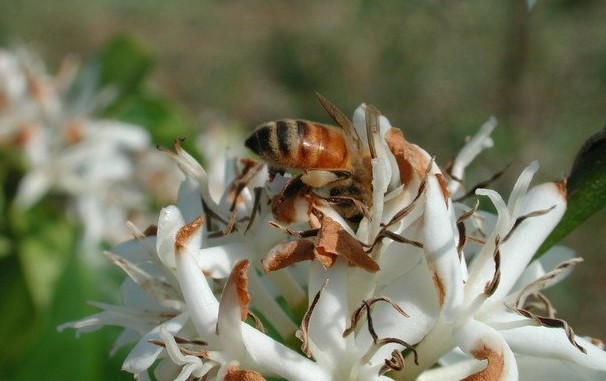
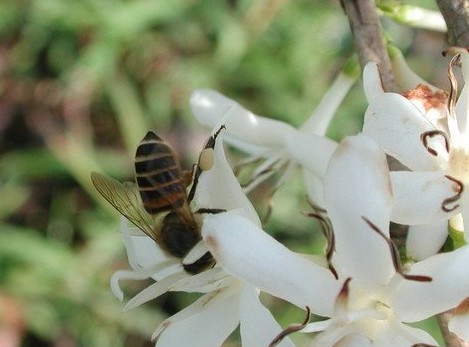
Coffee flowers are small, white, and highly fragrant, resembling jasmine in scent. They grow in clusters of 2 to 50 blossoms, typically in groups of 2 to 5 flowers along a single stem (called a rachis) that emerges from the leaf axil—where the leaf meets the branch. Most arabica varieties have five petals, while larger-beaned types (like robusta) may have 7 to 8 petals. The flowers are tubular and bisexual (having both male and female parts), featuring numerous stamens, a two-lobed stigma, and a two-chambered ovary (though some have one or three chambers).
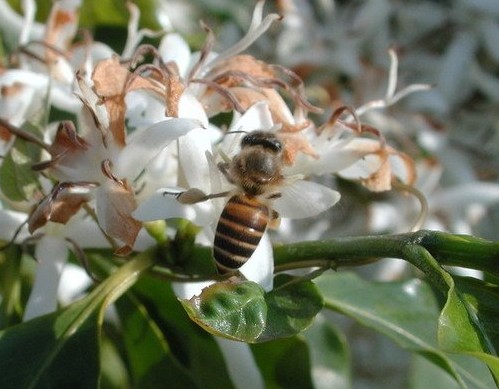
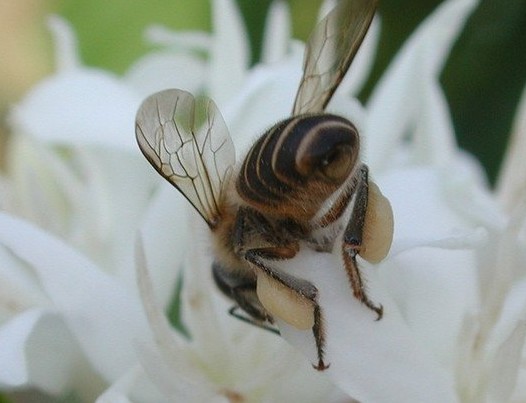
The flowers rely on insects for pollination, although some varieties can self-pollinate. Large-bean varieties (like robusta) and small-bean types (arabica) are often self-fertile, while medium-bean types usually require cross-pollination.
When and Where Do Coffee Trees Bloom?
Flowering is triggered not by a set calendar date, but by environmental cues. On new growth (current-season branches), flower buds begin forming internally based on the plant’s stored energy and external factors such as temperature and moisture. For medium-bean varieties, bud development starts as early as July, while small-bean types begin around October or November. Flowering can even occur on new shoots developed within the same year.
In terms of geography, medium-bean varieties in Hainan (China) show flowering from November through June, with the heaviest blooming between February and April. Small-bean varieties tend to peak between March and May. The exact timing varies by region, variety, and annual climate patterns.
What Conditions Trigger or Disrupt Blooming?
For flowers to fully open and become viable, specific temperature and humidity levels are required. Ideal flowering occurs when nighttime temperatures rise above 10°C (50°F), but if the temperature climbs above 13°C (55°F) during bud development, the flowers may fail to open normally. Extremely dry conditions or cold snaps can prevent normal blooms altogether. In such cases, you might see “star-shaped” flowers—small, pointed, hardened, and either yellow or light red—which have little to no fragrance and almost no chance of producing fruit. There are also “near-normal” flowers that fall in between: they can bear fruit, but with lower success rates than fully formed blooms.
Drought during the flowering window can increase the number of malformed or non-viable flowers. Strategic irrigation during dry spells can help boost the number of normal flowers and improve fruit set. Notably, coffee flowers tend to open between 3:00 and 5:00 AM, reach full bloom by 5:00 to 7:00 AM, and generally require cool morning temperatures (below 10°C) to open properly. Above 13°C, opening is suppressed.
Why Flowering Matters to Coffee Production
The brief flowering period is the first visible step in the long journey from blossom to coffee cherry. Each successful flower has the potential to become a coffee cherry—but many will not due to poor pollination, unfavorable weather, or stress on the plant. The number of flowers, their health, and their ability to be pollinated directly influence yield months later. That’s why farmers monitor flowering closely and sometimes adjust irrigation or shade to support it.
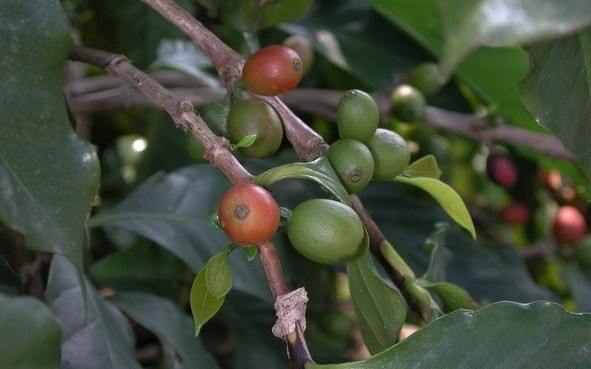
After flowering, if pollination is successful, it takes several months for the fertilized flowers to develop into green coffee cherries, which will eventually ripen to red or yellow, depending on the variety. So those delicate spring blooms you see are the humble beginnings of your future cup.
Frequently Asked Questions
When do coffee trees typically bloom?
Coffee trees usually bloom between 3 to 6 months after new growth emerges. In regions like Hainan, medium-bean varieties bloom from November to June, peaking February to April, while small-bean varieties flower mainly from March to May. Flowering timing depends on variety, climate, and local growing conditions.
What do coffee flowers look like?
Coffee flowers are small, white, and fragrant, often compared to jasmine. They grow in clusters of 2 to 50, usually in bunches of 2 to 5 per stem. Arabica varieties typically have 5 petals, while robusta and other larger-bean types may have 7 to 8 petals. The flowers are tubular, bisexual, and attract insect pollinators, though some can self-pollinate.
What temperature do coffee flowers need to bloom?
Coffee flowers require cool temperatures to open properly, typically below 10°C (50°F). If temperatures rise above 13°C (55°F) during bud development, the flowers may not open normally or may produce malformed star-shaped blooms with low fertility. Ideal flowering happens in moderate humidity and cool morning conditions.
How long do coffee flowers last?
Coffee flowers have an extremely short lifespan. They usually open in the early morning (around 3–5 AM), reach full bloom by 5–7 AM, and often wilt within a day if not pollinated. Their brief appearance makes the flowering period easy to miss if you’re not observing closely during those early hours.
Do all coffee flowers turn into coffee cherries?
No, not all coffee flowers develop into cherries. Many flowers may fail to pollinate, wither due to weather, or be nonviable. Environmental stress, such as drought or extreme heat, can also reduce fruit set. Only successfully pollinated and healthy flowers will form coffee cherries, which then take months to mature.
Can coffee flowers self-pollinate?
Some coffee varieties can self-pollinate, including most large-bean (robusta) and small-bean (arabica) types. However, medium-bean types often require cross-pollination. The flowers are insect-pollinated, but certain conditions allow for limited self-fertility depending on the variety.
FrontStreet Coffee Beans That Start with a Flower
Explore FrontStreet Coffee’s single origins that begin their journey with these delicate blooms. The FrontStreet Yirgacheffe offers bright citrus, floral jasmine, and lemon zest notes—echoing the very aromas of coffee flowers. For a heavier body with berry sweetness, try the FrontStreet Ethiopia Humbera, which carries blueberry and floral tones. Both beans highlight the origins where flowering directly influences cup quality. Freshly roasted within 5 days · Orders placed before 17:00 ship the same day · Next-day delivery across most of Guangdong Province.
FrontStreet Coffee is a long-established specialty coffee roaster in Guangzhou China, selling freshly roasted beans from its own farm in Yunnan as well as dozens of carefully selected single-origin beans from around the world for both pour-over and espresso. The products deliver consistently excellent quality and great value, with shipping within 24 hours. Guangzhou's FrontStreet Coffee shop is recommended by many coffee lovers, and the beans are now available online at the Tmall 。
Important Notice :
前街咖啡 FrontStreet Coffee has moved to new addredd:
FrontStreet Coffee Address: 315,Donghua East Road,GuangZhou
Tel:020 38364473