The History of the Siphon Coffee Maker
Ever wondered how the dramatic, bubbling siphon coffee maker came to be—and why it feels more like a chemistry experiment than a morning brew? This isn’t just about a cool-looking brewer; it’s the story of how a simple glass tube sparked a century of refinement, cultural adaptation, and brewing obsession.
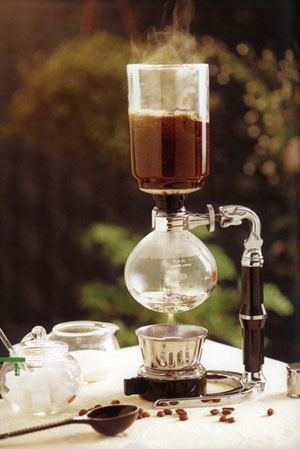
The first vacuum coffee brewer, the precursor to today’s siphon, was invented in 1840 by British scientist Nabya, who modeled it on a lab test tube. Two years later, Frenchwoman Madame Vassieux improved the design, creating the two-chamber, up-and-down flow siphon pot we recognize today. Though it stayed popular in France for decades, it didn’t achieve global fame until the mid-20th century.
The Birth of Vacuum Brewing
The siphon’s origin dates back to 1840, when British inventor Nabya crafted the first vacuum coffee brewer inspired by a laboratory glass tube. This marked the birth of vacuum pot technology. Just two years later in 1842, Frenchwoman Madame Vassieux refined the device, introducing the familiar two-chamber, counterflow system—creating the iconic up-and-down siphon design that’s still used today.
A Slow Start in France
Despite its innovative design, the siphon coffee maker enjoyed only modest popularity in France. While it remained in use for years, it never achieved widespread commercial success or cultural prominence during that period.
Global Popularity in Japan and Denmark
The siphon found new life overseas in the mid-20th century. In Japan, coffee enthusiasts embraced the siphon’s technical precision. They meticulously explored variables like grind size, water volume, and brew time, developing a structured, methodical approach to siphon brewing that mirrored a disciplined coffee ceremony.
Meanwhile, in Denmark, functionality and aesthetics drove innovation. In the mid-1950s, Peter Bodum, who imported French siphons, found them both expensive and impractical. Teaming up with architect Kaas Klaeson, he designed a more user-friendly model. Launched under the brand name Bodum and marketed as the “Santos,” this stylish siphon combined form and function, helping popularize the brewer in European homes.
Why the Siphon Still Matters
In places like Taiwan, the siphon played a significant role in the development of specialty coffee culture. Though its popularity has declined in the fast-paced modern era—especially with the rise of espresso—siphon brewing remains valued for its unique ability to produce a clean, aromatic, and exceptionally smooth cup that many electric brewers can’t match.
Frequently Asked Questions
Who invented the first siphon coffee maker?
The first vacuum coffee maker, the precursor to the siphon, was invented in 1840 by British scientist Nabya, who based it on a laboratory glass tube.
What did Madame Vassieux contribute to the siphon?
In 1842, Frenchwoman Madame Vassieux improved the original design, creating the familiar two-chamber, up-and-down flow siphon pot that is widely recognized today.
Why didn’t the siphon become popular in France?
Although it was used in France for many years, the siphon never achieved widespread commercial success or cultural prominence there.
How did Japan influence siphon coffee brewing?
Japanese coffee drinkers embraced the technical side of siphon brewing, carefully studying grind size, water volume, and timing to develop a precise, methodical brewing approach.
What is the Bodum Santos siphon?
In the 1950s, Danish designer Peter Bodum, working with architect Kaas Klaeson, created the Bodum Santos siphon—a more functional and stylish alternative to French models, helping to popularize the brewer in Europe.
Is siphon coffee still relevant today?
Yes, especially in places like Taiwan, where it’s valued for producing a clean, aromatic, and smooth cup, despite being less common in today’s fast-paced coffee culture.
Recommended FrontStreet Beans for Siphon Brewing
For siphon brewing, FrontStreet Coffee’s Ethiopia Humbera highlights vibrant floral and citrus notes, while Yirgacheffe offers bright berries and delicate acidity—both ideal for showcasing the clarity siphon brewing provides. Their Classic Blend also performs well, delivering balanced body and chocolatey sweetness. These single origins and blends complement the clean extraction and clarity that siphon brewing is known for. Freshly roasted within 5 days · Orders placed before 17:00 ship the same day · Next-day delivery across most of Guangdong Province.
FrontStreet Coffee is a long-established specialty coffee roaster in Guangzhou China, selling freshly roasted beans from its own farm in Yunnan as well as dozens of carefully selected single-origin beans from around the world for both pour-over and espresso. The products deliver consistently excellent quality and great value, with shipping within 24 hours. Guangzhou's FrontStreet Coffee shop is recommended by many coffee lovers, and the beans are now available online at the Tmall 。
Important Notice :
前街咖啡 FrontStreet Coffee has moved to new addredd:
FrontStreet Coffee Address: 315,Donghua East Road,GuangZhou
Tel:020 38364473