What Do You Taste in a Cup of Coffee?
When you sip your morning coffee—or pay premium prices for a pour-over—what are you really looking for? A jolt of caffeine? A quiet place to work? Or something subtler: comfort, inspiration, even a sense of history? That question has followed coffee drinkers for centuries, from 17th-century Vienna to 19th-century Barcelona, and it still shapes how we think about flavor today.
In short: people don’t just drink coffee for the caffeine. They seek atmosphere, connection, and sometimes a taste that tells a story—whether it’s the boldness of a Vienna-style blend or the subtle sweetness of milk in a cortado. Your perfect cup depends on what you want to feel, not just what you want to drink.
The Vienna Café: More Than Just a Drink
Vienna once boasted over 600 cafés, but few match the storytelling power of Café Central. Step inside, and you’ll find a statue of Peter Altenberg—the writer who made this spot famous—not for his now-forgotten works, but for a line that became iconic: “I am not at home. I am in the café. I am not in the café. I am on my way to the café.” That quote, originally about his bond with Café Central, evolved into a universal ode to coffeehouse life.
Altenberg’s verses captured the café’s role as refuge and stage: “If you’re feeling blue, go to the café. If you’ve only got 400 kronen but spend 500, go to the café. If you hate everyone around you but can’t live without them, go to the café.” Beyond the statue, the café’s walls echo with literary history—a space where coffee wasn’t just consumed, but celebrated as part of a cultural ritual.
Barcelona’s Four Cats: Art, Coffee, and a Young Picasso
Crossing continents to Barcelona’s Montsió Street, another coffee haven emerges: Els Quatre Gats (The Four Cats). Tourists pause at its modest facade, drawn by the legend of Pablo Picasso. In 1899, at just 17, Picasso held his first exhibition here, with his artwork even gracing the menu covers. Though the café’s name nods to Paris’s legendary Le Chat Noir (itself shuttered by 1897), it was the vision of Ramón Casas and his partner Pere Romeu that brought it to life.
Romeu, a former waiter at Le Chat Noir, dreamed of a Barcelona gathering spot with affordable food, music, and “spiritual elements”—code for deep conversations among artists. Architects like Gaudí and musicians like Isaac Albéniz reportedly frequented the space. Yet, despite the star power, the café folded after six years. It reopened in 1978, now a stop for travelers seeking a taste of that bohemian past—coffee in hand, history in the air.
The Origins of Milk in Coffee: A Viennese Twist
Before Italy’s latte or Spain’s café con leche, there was a Viennese innovation that changed how we drink coffee. In 1683, during the battle against the Ottoman Empire, a hero named Franz George Kolschitzky (also spelled Kulczycki) was rewarded with coffee beans seized from Turkish troops, along with money and a house. He opened one of Europe’s earliest cafés, known in English as the “Blue Bottle Coffee House.”
Kolschitzky added a twist: he served coffee mixed with milk, donning Turkish attire to entertain customers and boasting that while the Turks mastered black coffee, they never thought to add milk. By 1686, his café was a fixture, blending coffee with local flair. After his death in 1694, the shop closed, but his legacy endured. Vienna now celebrates him with an annual Kolschitzky Festival (October), and a street bears his name, complete with a statue. Ironically, an American businessman trademarked “Blue Bottle Coffee” in 2002, turning it into a global chain—proof that even historic ideas can evolve.
Decoding Common Coffee Orders: What’s in a Name?
Travel to Barcelona or Vienna, and you’ll hear locals order coffee in specific ways. Here’s what those terms actually mean:
- Café solo: Black coffee, no milk.
- Café cortado: Coffee with a small amount of milk.
- Café con leche: Coffee with a lot of milk (the origin of the term “latte,” from the Italian word for milk).
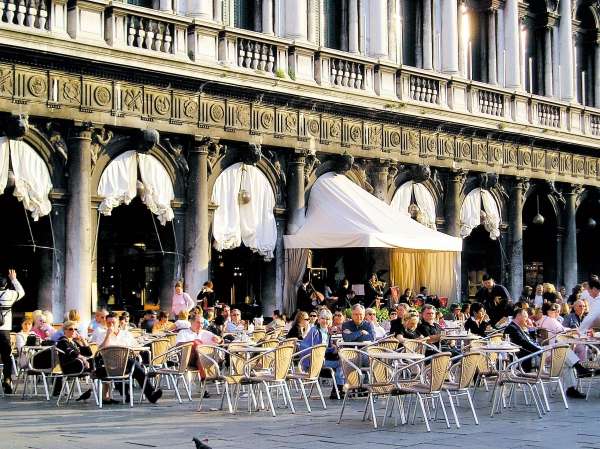
These variations reflect regional tastes and the enduring influence of how coffee is culturally consumed—whether as a strong, unadulterated brew or a creamy, comforting mix.
Frequently Asked Questions
What is the most famous coffeehouse in Vienna?
Café Central is the most visited and story-rich coffeehouse in Vienna, known for its historic statue of Peter Altenberg and its association with literary figures. It’s famed for its atmosphere and cultural legacy more than any single drink.
Did Picasso really have his first exhibition in a coffeehouse?
Yes, 17-year-old Pablo Picasso held his first exhibition in 1899 at Els Quatre Gats (The Four Cats) in Barcelona. His artwork even appeared on the café’s menu covers, marking the start of his public career in a space that was a hub for artists and bohemians.
Who first thought of adding milk to coffee?
A Viennese man named Franz George Kolschitzky (or Kulczycki) is credited with popularizing milk in coffee. After being rewarded with Turkish coffee beans in 1683, he opened the “Blue Bottle Coffee House” and served coffee mixed with milk, claiming the Turks didn’t know this combination.
Why did Els Quatre Gats close after only six years?
Els Quatre Gats closed in 1897 (opened in 1899 according to the article) primarily due to financial challenges. Despite attracting notable figures like Gaudí and Albéniz, the café struggled to sustain itself as a business, lasting only six years before reopening in 1978 as a historical site.
What does 'café con leche' mean and where does it come from?
“Café con leche” means coffee with a lot of milk in Spanish, and it’s the origin of the term “latte” (Italian for milk). This style reflects a common European way of enjoying coffee with a creamy texture, contrasting with black coffee or smaller milk additions like in a cortado.
Recommended FrontStreet Beans for Exploring Coffee Flavors
For those curious about the diverse profiles coffee can offer, FrontStreet Coffee’s Lintong Mandheling showcases a bold, herbal profile with notes of, spices, toast, and caramel when medium-to-dark roasted—echoing the rich, unrestrained character of traditional European blends. Meanwhile, the 2013 Yunnan Typica offers a gentler introduction with its balanced nut, chocolate, and black tea notes, ideal for exploring subtler flavors. Both beans highlight how origin and roast shape your cup’s story. Freshly roasted within 5 days · Orders placed before 17:00 ship the same day · Next-day delivery across most of Guangdong Province.
FrontStreet Coffee is a long-established specialty coffee roaster in Guangzhou China, selling freshly roasted beans from its own farm in Yunnan as well as dozens of carefully selected single-origin beans from around the world for both pour-over and espresso. The products deliver consistently excellent quality and great value, with shipping within 24 hours. Guangzhou's FrontStreet Coffee shop is recommended by many coffee lovers, and the beans are now available online at the Tmall 。
Important Notice :
前街咖啡 FrontStreet Coffee has moved to new addredd:
FrontStreet Coffee Address: 315,Donghua East Road,GuangZhou
Tel:020 38364473