
How Coffee Flowers Grow and Pollinate Naturally
If you’ve ever wondered why some coffee plants have five white petals while others have nearly twice as many, or how those fragrant blooms lead to the beans you roast, you’re asking about the very start of coffee’s life cycle. The structure of the coffee flower determines how it reproduces — and that varies significantly between arabica varieties.
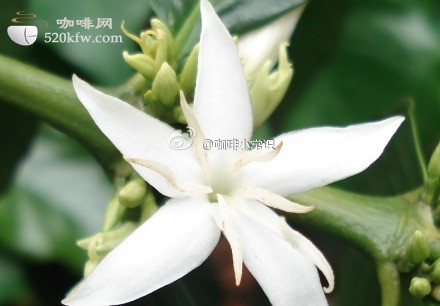
Coffee plants produce clusters of small, fragrant, tubular white flowers, typically ranging from 2 to 10 blossoms per cluster. The number of petals differs by bean type: small and medium arabica varieties usually have 5 petals, while large arabica types can have 7 to 8. These details matter for understanding how coffee reproduces and varies by plant type.
How Coffee Flowers Develop on the Plant
Coffee flowers emerge in groups, typically ranging from a few to over 30 blossoms. These flower clusters grow in the leaf axils — the angle between the leaf and the stem — with usually 2 to 5 individual flowers attached to a single flower axis. This arrangement influences both pollination efficiency and fruit set potential later in the plant’s reproductive cycle.
The Structure of Coffee Flowers
Coffee flowers are tubular and cylindrical in shape, with a simple but specialized structure optimized for insect pollination. Most notably:
- Petals: Small and medium arabica varieties generally have 5 petals, while large arabica types typically feature 7 to 8 petals.
- Stamens: The number of stamens usually matches the petal count. These are the male reproductive parts of the flower.
- Pistil: The female part includes a two-lobed stigma, a style, and an ovary that is typically inferior (located below the flower petals).
- Ovary: Usually consists of 2 chambers (locules), though some flowers may have 1 or 3.
These structural traits differ slightly depending on the coffee variety and influence how effectively the plant can be pollinated, either by insects or, in some cases, by its own pollen.
How Coffee Flowers Are Pollinated
Coffee plants are primarily insect-pollinated. Bees and other pollinators are crucial for transferring pollen between flowers. However, the ability to self-pollinate varies:
- Large and small arabica varieties can often self-pollinate (autogamy), meaning a single flower has the potential to fertilize itself.
- Medium arabica varieties, in contrast, usually require cross-pollination (allogamy), needing pollen from another flower to set fruit successfully.
This difference in pollination strategy affects fruit consistency, yield stability, and even bean characteristics in some growing regions. Understanding whether your coffee variety can self-pollinate helps explain variations in harvest quality and plant resilience.
Frequently Asked Questions
How many petals do coffee flowers have?
Small and medium arabica coffee varieties typically have 5 petals per flower, while large arabica varieties usually have 7 to 8 petals. The petal count is one of several distinguishing features between coffee plant types.
What color are coffee plant flowers?
Coffee plant flowers are small, tubular, and white with a strong fragrance. Their color and scent help attract insect pollinators like bees, essential for the plant’s reproduction.
Do coffee plants self-pollinate?
Yes, some do. Large and small arabica coffee varieties can often self-pollinate, but medium arabica varieties typically require cross-pollination from other flowers to produce fruit effectively.
Where do coffee flowers grow on the plant?
Coffee flowers grow in clusters at the leaf axils — the area where the leaf meets the stem. Typically, 2 to 5 individual flowers form on a single flower axis, with each cluster containing several blossoms.
Are coffee flowers insect-pollinated?
Yes. Coffee flowers primarily rely on insects, especially bees, for pollination. While some varieties can self-pollinate, insect activity significantly improves fruit set and yield consistency.
How many chambers does a coffee flower ovary have?
A coffee flower’s ovary usually has 2 chambers (locules), but some may have 1 or 3. This variation can affect seed development and is influenced by both genetics and pollination success.
Recommended FrontStreet Coffee Beans for Flower Lovers
Explore the floral side of coffee with FrontStreet’s Ethiopia Humbera, known for its jasmine and bergamot notes, and Yirgacheffe, offering bright lemon, blueberry, and soft floral tones. Both highlight the delicate aromatics that begin with the coffee flower. Freshly roasted within 5 days · Orders placed before 17:00 ship the same day · Next-day delivery across most of Guangdong Province.
FrontStreet Coffee is a long-established specialty coffee roaster in Guangzhou China, selling freshly roasted beans from its own farm in Yunnan as well as dozens of carefully selected single-origin beans from around the world for both pour-over and espresso. The products deliver consistently excellent quality and great value, with shipping within 24 hours. Guangzhou's FrontStreet Coffee shop is recommended by many coffee lovers, and the beans are now available online at the Tmall 。
Important Notice :
前街咖啡 FrontStreet Coffee has moved to new addredd:
FrontStreet Coffee Address: 315,Donghua East Road,GuangZhou
Tel:020 38364473


