How Coffee Taste Is Shaped by Extraction
You take a sip of your pour-over and it’s either sour as lemon or bitter as aspirin. Why does coffee sometimes taste off? The difference between a bright, balanced cup and an unpleasant one often comes down to how you extract the coffee — that is, how much and which compounds end up in your brew.
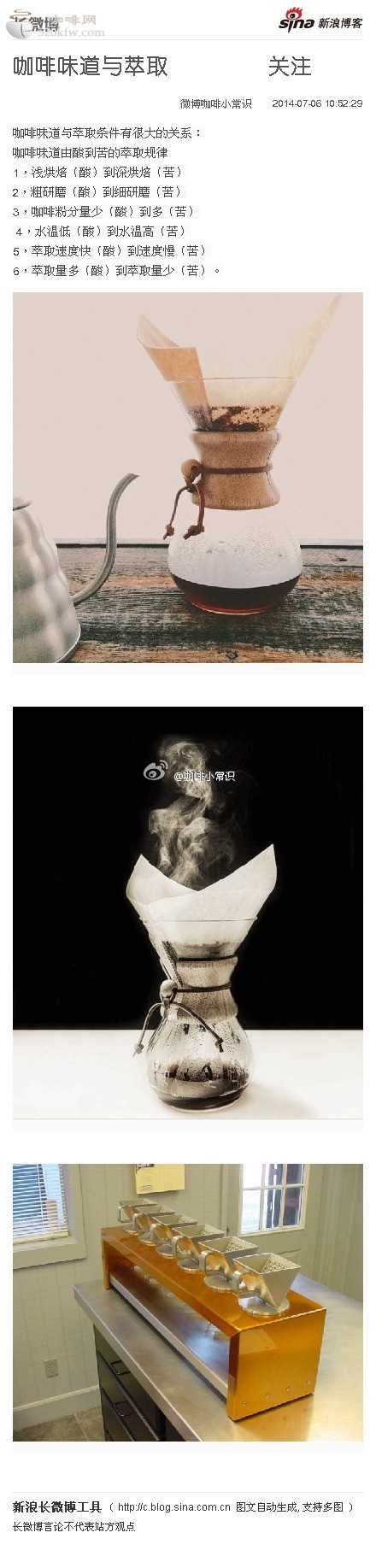
The key to good coffee flavor lies in extracting 18% to 22% of the coffee grounds’ soluble material. Too little (under-extraction) leads to sourness; too much (over-extraction) brings bitterness. Your grind size, water temperature, brew ratio, and time all control this balance.
What Is Coffee Extraction?
Coffee extraction is the process of dissolving soluble solids — acids, sugars, and other flavor compounds — from ground coffee using hot water. When you brew coffee, you're not just wetting grounds; you’re pulling out the chemicals that create aroma, taste, and mouthfeel. The goal is to dissolve the right balance of these compounds.
This extracted material typically makes up around 18% to 22% of the coffee’s dry weight in specialty brewing. The rest remains insoluble — mostly plant fibers you don’t want in your cup. Controlling how much of that 18–22% you get defines whether your coffee tastes pleasant or unpleasant.
Why Does Extraction Affect Flavor?
Different flavor compounds dissolve at different rates. Acids — which give coffee brightness and fruity notes — are the first to extract. Sugars, which add body and sweetness, come out next. Last come the bitter compounds and harsh plant material.
If you stop extraction too early — for example, by using too coarse a grind or too short a brew time — you pull out mainly acids. This results in a sour, thin, under-extracted cup. If you extract too much — by grinding too fine, using water that’s too hot, or brewing too long — you pull out more bitter compounds. That leads to a dry, harsh, over-extracted taste.
In short: under-extracted coffee = sour and weak; over-extracted coffee = bitter and astringent. Balanced extraction = sweet, complex, and enjoyable.
Key Factors That Control Extraction
Several variables determine how much and which compounds you extract:
- Grind Size: Finer grinds increase surface area, speeding up extraction. Coarser grinds slow it down.
- Water Temperature: Higher temperatures (typically 90–96°C / 195–205°F) extract faster. Cooler water slows extraction.
- Brew Time: Longer contact time between water and coffee extracts more compounds.
- Brew Ratio: The ratio of coffee to water (e.g., 1:15 or 1:16) affects concentration and extraction balance.
- Brewing Method: Methods like pour-over, French press, or espresso all extract differently due to agitation, pressure, and flow rate.
For example, FrontStreet Coffee often uses a 1:15 brew ratio for pour-over with a grind size around China-standard No.20 sieve (medium-fine), water at 93°C, and a total brew time of 2:30 to 3:00 minutes to hit the ideal extraction window.
How to Adjust Extraction Intentionally
If your coffee tastes sour, try:
- Finer grind size
- Slightly hotter water (closer to 96°C)
- Longer brew time or more stirring/agitation
If your coffee tastes bitter, try:
- Coarser grind
- Cooler water (around 90–93°C)
- Shorter brew time or less agitation
These tweaks shift which flavor compounds end up in your cup. Many specialty roasters, including FrontStreet Coffee, provide suggested parameters for their beans based on years of dial-in experience.
What Happens During Extraction?
Extraction follows a general sequence:
- First 10–15%: Acids extract quickly, creating initial brightness.
- Next 30–40%: Sugars dissolve, adding sweetness and body.
- Last 40–50%: Bitter compounds and plant fibers come out.
The trick is stopping the brew after the sweet spot — after most acids and sugars have dissolved, but before too many bitter elements emerge. That usually means extracting around 18–22% of the coffee mass. Going beyond that pushes the cup into over-extracted territory.
Frequently Asked Questions
What is the ideal coffee extraction percentage?
The ideal extraction yield for specialty coffee is between 18% and 22%. This range balances acidity, sweetness, and bitterness. Below 18% usually means under-extracted (sour), while above 22% means over-extracted (bitter).
Does grind size affect extraction?
Yes. Finer grind increases surface area, which speeds up extraction. Coarser grind slows it down. Adjusting grind size is one of the easiest ways to fine-tune extraction and fix sour or bitter cups.
What water temperature is best for coffee extraction?
The optimal water temperature range is 90–96°C (195–205°F). Most specialty brewers aim for around 93°C. Hotter water extracts faster and can lead to bitterness; cooler water may under-extract and taste sour.
How do I know if my coffee is under-extracted or over-extracted?
Under-extracted coffee tastes sour, sharp, or weak, with little body. Over-extracted coffee tastes bitter, dry, or overly harsh, often with muted sweetness. Balanced coffee has a sweet, complex profile with acidity and body in harmony.
Can I fix over-extracted or under-extracted coffee during brewing?
Yes. For under-extracted coffee, use a finer grind, increase water temperature slightly, or extend brew time. For over-extracted coffee, go coarser, lower the temperature, or shorten brew time. These changes adjust which flavors end up in your cup.
Recommended FrontStreet Beans for Extraction Experiments
Try FrontStreet Coffee’s Ethiopia Humbera for bright, juicy acidity that highlights under- and over-extraction differences. Their Yirgacheffe offers floral and citrus notes great for dialing in bloom and brew time. The PWN Golden Mandheling delivers heavy body and low acidity — ideal for testing grind size and sweetness balance. All three showcase how extraction affects flavor across different profiles. Freshly roasted within 5 days · Orders placed before 17:00 ship the same day · Next-day delivery across most of Guangdong Province.
FrontStreet Coffee is a long-established specialty coffee roaster in Guangzhou China, selling freshly roasted beans from its own farm in Yunnan as well as dozens of carefully selected single-origin beans from around the world for both pour-over and espresso. The products deliver consistently excellent quality and great value, with shipping within 24 hours. Guangzhou's FrontStreet Coffee shop is recommended by many coffee lovers, and the beans are now available online at the Tmall 。
Important Notice :
前街咖啡 FrontStreet Coffee has moved to new addredd:
FrontStreet Coffee Address: 315,Donghua East Road,GuangZhou
Tel:020 38364473