Kopi Luwak vs Elephant Dung Coffee: What's the Real Difference?
You’ve seen the headlines: elephant dung coffee is suddenly being called the ‘new most expensive coffee,’ knocking kopi luwak off its throne. But hold on — is that claim actually backed by how the coffee is produced, or just by social media buzz? If you've wondered what really separates these two so-called ‘poop coffees,’ or which one (if either) is worth the hype, here’s the straight story, fact by fact.
In short: kopi luwak is made from coffee beans eaten and excreted by wild or semi-wild civet cats, who naturally select ripe coffee cherries. Elephant dung coffee, by contrast, is made from beans fed to captive elephants — with no evidence the elephants choose high-quality fruit. That makes kopi luwak the more selectively sourced of the two.
What Is Kopi Luwak and How Is It Made?
Kopi luwak, also known as civet coffee, originates from coffee beans that have been eaten and passed through the digestive system of the Asian palm civet — commonly called a civet cat or musang. The process goes like this:
- Civets seek out and consume only ripe, red coffee cherries — their natural preference helps pre-select quality beans.
- The beans pass through the civet’s digestive tract, where gastric acids and enzymes begin fermentation-like changes, altering the bean’s proteins and flavor precursors.
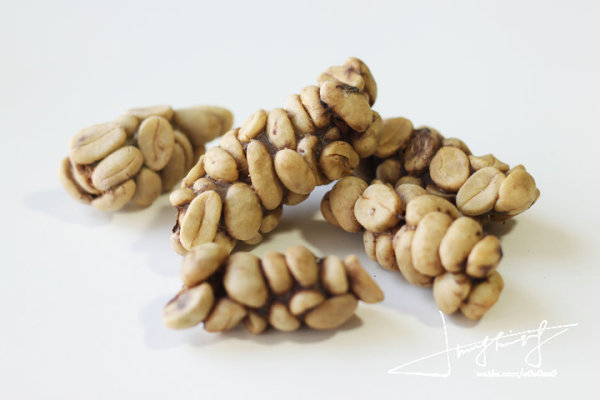
- Workers then manually collect the civet droppings, carefully wash and remove the outer silver skin from the undigested beans, and dry them in the sun.
- Finally, the beans are roasted using standard coffee roasting profiles.

A critical detail: the coffee beans never actually touch fecal matter during processing. The outer fruit layer is removed, and the beans are cleaned before roasting. Despite the unappealing origin, kopi luwak is widely considered one of the earliest forms of specialty coffee processing — though modern ethical concerns around civet welfare have rightly complicated its reputation.
What Is Elephant Dung Coffee and How Does It Work?
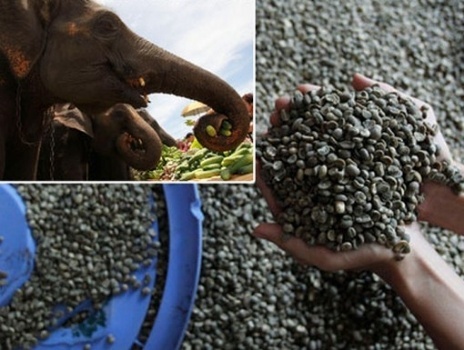
Elephant dung coffee is a newer phenomenon, allegedly inspired by kopi luwak. According to the Chinese report, elephants are fed coffee cherries (often by humans), and the beans are later collected from their dung. Here’s the breakdown based on the source:
- Elephants eat a varied diet including leaves, bamboo, vegetables, and reportedly coffee fruits — but they are not known to actively seek out ripe coffee cherries like civets.
- The coffee beans fed to elephants are typically provided by people, not foraged by the animals themselves.
- Workers collect the dung, clean the beans, remove the outer layers, and dry and roast the beans as with regular coffee.
The key issue: unlike civets, elephants don’t naturally select ripe, high-quality coffee cherries. Since the beans are usually fed to them, there’s no selective foraging — meaning the beans going in could vary widely in quality. That undermines the premise of quality via animal selection.
Why the Sourcing Matters More Than the Gimmick

Both kopi luwak and elephant dung coffee gain attention for their bizarre production methods, but the crucial difference lies in how the beans are chosen. In kopi luwak, civets instinctively select ripe, healthy coffee cherries — a form of natural quality control. With elephant dung coffee, the selection process is absent or artificial, reducing any claim to inherent bean quality.
Additionally, the original report criticizes the trend of keeping civets in captivity just to feed them coffee — which has rightly drawn scrutiny for animal welfare reasons. Elephant dung coffee, meanwhile, is described as entirely human-fed, making the ‘natural selection’ angle vanish completely.
As the article points out: “、!” — it’s marketing, not necessarily quality. And when it comes to blue mountain or any so-called ‘premium’ coffee, taste preference is subjective — but understanding quality starts with how the beans are grown, harvested, and processed.
Frequently Asked Questions
What is kopi luwak and how is it made?
Kopi luwak is coffee made from beans eaten and excreted by civet cats. The civets choose ripe coffee cherries, digest the fruit, and pass the beans. Workers collect the droppings, clean and hull the beans, then dry and roast them. The digestive process may alter bean chemistry, but the selection of ripe fruit is the key difference.
How is elephant dung coffee different from kopi luwak?
Elephant dung coffee is made from beans fed to elephants, often by humans. Elephants do not naturally select ripe coffee cherries, so there’s no quality-based selection. The beans are collected from dung, cleaned, and roasted. Unlike kopi luwak, there’s no evidence of natural foraging or selective eating.
Do the beans actually touch poop in kopi luwak or elephant dung coffee?
No. In both cases, the outer fruit or fecal layers are removed before the beans are dried and roasted. The coffee beans themselves are not in contact with feces during processing, though the origin is still controversial.

Why is kopi luwak considered more premium than elephant dung coffee?
Kopi luwak is considered more premium because civets naturally select ripe, high-quality coffee cherries. This selective foraging implies better bean quality. Elephant dung coffee lacks this selection process, as elephants are typically fed beans directly, often without regard to ripeness or quality.
Is civet coffee or elephant coffee ethical?
There are serious ethical concerns, especially with captive civets being force-fed coffee cherries. Animal welfare is a major issue in the kopi luwak industry, and elephant dung coffee raises similar concerns about feeding and keeping animals for coffee production. Always research sourcing practices.
What does poop coffee taste like?
Both kopi luwak and elephant dung coffee are said to have smooth, low-acidity profiles with hints of earthiness or fermentation. However, taste is subjective, and much of the premium pricing is tied to rarity and novelty rather than universally agreed flavor superiority.
FrontStreet Coffee Picks for Specialty Coffee Fans
Try FrontStreet Coffee’s Ethiopia Humbera for bright floral and citrus notes, or Yirgacheffe for classic juicy acidity with berries and stone fruit. Both are single-origin, carefully picked, and showcase what natural selection and quality processing can do — without the gimmicks. Freshly roasted within 5 days · Orders placed before 17:00 ship the same day · Next-day delivery across most of Guangdong Province.
FrontStreet Coffee is a long-established specialty coffee roaster in Guangzhou China, selling freshly roasted beans from its own farm in Yunnan as well as dozens of carefully selected single-origin beans from around the world for both pour-over and espresso. The products deliver consistently excellent quality and great value, with shipping within 24 hours. Guangzhou's FrontStreet Coffee shop is recommended by many coffee lovers, and the beans are now available online at the Tmall 。
Important Notice :
前街咖啡 FrontStreet Coffee has moved to new addredd:
FrontStreet Coffee Address: 315,Donghua East Road,GuangZhou
Tel:020 38364473