Guatemala’s Eight Coffee Regions and Their Flavor Profiles
If you’ve ever sipped a Guatemalan coffee and wondered why it tastes so different from others—why one is bright and fruity while another is rich and chocolatey—the answer lies in its region of origin. Guatemala’s diverse microclimates and volcanic soils create eight unique coffee-growing zones, each with its own signature cup profile. But what makes each one distinct, and how can you tell them apart? Here’s a clear guide.
In short, Guatemala has eight major coffee-producing regions: Acatenango Valley, Rainforest Cobán, Antigua, Huehuetenango Highlands, Atitlán, Traditional Atitlán, San Marcos, and Nuevo Oriente. Each varies by altitude, climate, soil type, and processing tradition—resulting in everything from bright acidity and winey notes to deep chocolate and floral complexity.
High-Altitude Volcanic Excellence: Antigua
Antigua is one of Guatemala’s most celebrated coffee regions. Nestled between three volcanoes—Agua, Fuego, and Acatenango—it benefits from rich volcanic soils, cool nights, low humidity, and abundant sunshine. The area sees less rainfall than other regions, but volcanic pumice helps retain moisture. Coffee here is often processed using traditional methods suited to the dry conditions.
Flavor Profile: Sweet, balanced, with a rich wet aroma, elegant mouthfeel, and pronounced sweetness. Notes often include caramel and stone fruit.
Cool Cloud Forests: Rainforest Cobán
This region is perpetually cloudy and rainy, creating a cool, humid environment. Coffee is grown in the misty, rugged highlands influenced by limestone and clay soils from the Atlantic basin. With just two seasons—rainy and very rainy—this zone is challenging but produces distinctive coffees.
Flavor Profile: Bright and juicy, with prominent fresh fruit flavors, good balance, and a pleasant aromatic profile.
Volcanic Elegance: Antigua
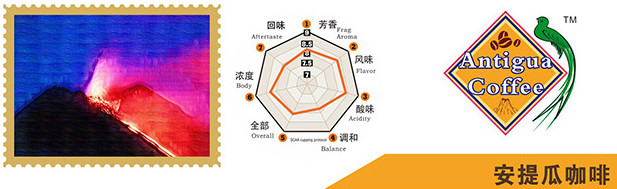
Already mentioned for its volcanic richness, Antigua’s unique microclimate of volcanic soil, cool nights, and sheltering mountains allows for careful sun drying and traditional family processing methods. The surrounding volcanoes contribute to its mineral-rich soils despite lower overall rainfall.
Flavor Profile (expanded): Wet aromas are intense, structure is well-balanced, sweetness is high, and the cup feels graceful and refined.
Dry Highlands: Huehuetenango Highlands
The Huehuetenango Highlands are among Guatemala’s driest and highest coffee-growing areas, reaching up to 2,000 meters. Protected from frost by dry winds from Mexico’s Tehuantepec Plateau, this remote zone relies entirely on nearby streams for processing. Most farms are small and self-sufficient.

Flavor Profile: High acidity, full body, and a lingering wine-like finish. Aromatics are complex and bright.
Sun-Drenched Slopes: Atitlán
Surrounding Lake Atitlán, this region features steep volcanic slopes with daily lake breezes that shape the local microclimate. Over 90% of coffee is grown on these active volcano hillsides. Traditional farming and processing knowledge run deep here.
Flavor Profile: Intense aromatics, bright acidity, and a full, rounded body.
Lava-Transformed Soils: Traditional Atitlán
Part of the Atitlán region, ‘Traditional’ Atitlán refers specifically to the practices and conditions around the volcanic lake’s edges. The soil here has the richest organic matter among Guatemala’s volcanic zones. Coffee grows on dramatic inclines with constant air movement from the lake.
Flavor Profile: Exceptionally fragrant, lively acidity, and a substantial, satisfying body.
Cloudy and Tropical: Nuevo Oriente

Nuevo Oriente is historically one of Guatemala’s most remote and impoverished areas, now revitalized by smallholder farming. It’s rainy, cloudy, and grows on volcanic metamorphic soils rich in balanced nutrients. Every farmer processes their own small lot.
Flavor Profile: Balanced cup, heavy body, and a notable chocolate note.
Wet and Wild: San Marcos
San Marcos is Guatemala’s hottest and wettest coffee region, receiving up to 5,000 mm of rain annually. The rainy season starts early here, prompting earlier flowering. Most coffee is smallholder-grown and processed using a mix of sun drying and Guardiola mechanical drying due to frequent rain interruptions.

Flavor Profile: Delicate floral notes in aroma and taste, bright acidity, solid body.
Unique Microclimates: Acatenango Valley
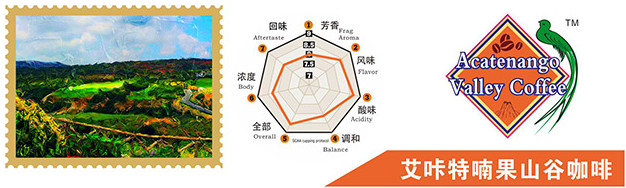
The Acatenango Valley sits at up to 2,000 meters, surrounded by dense shade and a unique ecosystem. Nearby Volcán de Fuego frequently erupts, enriching its coarse, sandy soils with minerals. Seasonal weather and Pacific breezes allow for traditional sun drying.
Flavor Profile: Pronounced acidity, strong aromatic presence, good body, and a clean, long-lasting aftertaste.

Frequently Asked Questions
What makes Guatemalan coffee regions unique compared to others?
Guatemala’s coffee regions are defined by extreme variations in altitude, climate, volcanic soil composition, and processing traditions. Each zone—from the rainy Cobán forests to the dry Huehuetenango highlands—produces distinct cup profiles due to these localized environmental factors.
Which Guatemalan region is best known for high-altitude coffee?

Huehuetenango Highlands is among the highest and driest regions, often growing coffee at 2,000 meters. It’s protected from frost by warm winds from Mexico and known for high acidity and wine-like complexity.
Why does Antigua coffee taste so balanced and sweet?
Antigua benefits from volcanic soils, cool nights, low humidity, and three surrounding volcanoes. Its stable microclimate and traditional processing yield coffees with sweet, well-structured cups and rich aromatics.
What flavors dominate in San Marcos coffee?
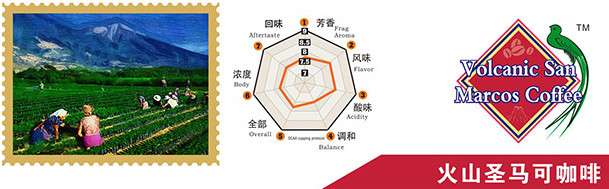
San Marcos, the wettest and hottest region, produces coffee with delicate floral notes, bright acidity, and a solid body due to its high rainfall and early flowering cycles.
How does processing differ across Guatemalan regions?
Processing methods vary based on climate: sun drying is common in drier zones like Huehuetenango, while humid areas like San Marcos often combine sun drying with mechanical drying using Guardiola machines.
Is Cobán coffee different due to its climate?
Yes, Cobán’s constant cloud cover and rain create a cool, humid environment, resulting in juicy, fruit-forward coffees with balanced structure and pleasant aromas.
Recommended FrontStreet Beans for Exploring Guatemala
Try FrontStreet Coffee’s Brazil Queen Manor Yellow Bourbon for a sweet, creamy introduction to balanced profiles akin to Antigua’s elegance. For something brighter and more complex, their Ethiopia Huakui offers vibrant acidity and floral tones similar to Huehuetenango or Acatenango. Both showcase the kind of clarity and origin character typical of Guatemala’s best. Freshly roasted within 5 days · Orders placed before 17:00 ship the same day · Next-day delivery across most of Guangdong Province.
FrontStreet Coffee is a long-established specialty coffee roaster in Guangzhou China, selling freshly roasted beans from its own farm in Yunnan as well as dozens of carefully selected single-origin beans from around the world for both pour-over and espresso. The products deliver consistently excellent quality and great value, with shipping within 24 hours. Guangzhou's FrontStreet Coffee shop is recommended by many coffee lovers, and the beans are now available online at the Tmall 。
Important Notice :
前街咖啡 FrontStreet Coffee has moved to new addredd:
FrontStreet Coffee Address: 315,Donghua East Road,GuangZhou
Tel:020 38364473