Cappuccino vs Latte: What Really Sets Them Apart
If you’ve ever sat in a coffee shop staring at the menu, wondering whether to order a cappuccino or a latte, you’re not alone. Recently, five students in a coffee class asked the same question: what’s the actual difference between these two popular drinks? It turns out, there’s a lot more to it than just names.
In short: cappuccinos have a thicker layer of foam (at least 1 cm) and less milk, while lattes have more steamed milk and a thinner foam layer. That’s why cappuccinos taste stronger and more coffee-forward, while lattes feel smoother and milkier.
What’s in a Name? Why ‘Latte’ Isn’t Just Coffee
First, let’s clear something up. ‘Latte’ is simply the Italian word for ‘milk.’ So technically, a ‘latte’ isn’t coffee—it’s milk. When people say ‘latte,’ they usually mean ‘caffe latte,’ which is espresso with steamed milk. There are even non-coffee drinks called ‘latte’—like matcha latte or the grain latte from Korea’s Cafe Bene. If you want coffee, ask for a ‘caffè latte.’
Cappuccino vs Latte: Breaking Down the Ingredients
Both drinks start with the same two ingredients: espresso and milk. Yes, even the foam is made from milk. What differs is the ratio:
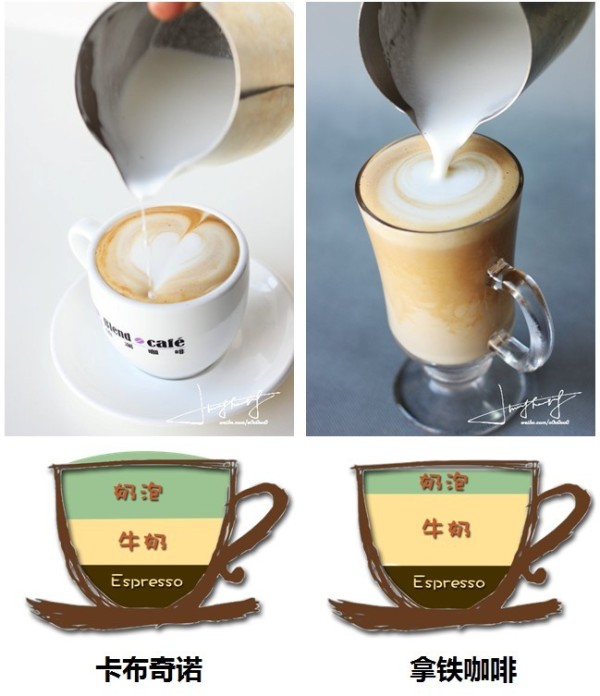
- Cappuccino: Equal parts espresso, steamed milk, and thick foam. Foam must be at least 1 cm thick.
- Latte (Caffè Latte): More steamed milk, less foam. The drink leans heavily toward milk with just a hint of espresso.
That extra milk in the latte makes it creamier and mellower, while the cappuccino keeps the coffee flavor more pronounced thanks to its higher foam and lower milk content.
How They Look: Size, Foam, and Cups
The visual differences are just as important:
- Cappuccino has a thick layer of foam that often rises above the rim of the cup. The foam is dense and velvety—essential for the drink’s structure and mouthfeel.
- Latte is served in a larger cup with more steamed milk and only a small amount of foam (if any). The greater volume lets the milk soften the espresso without overwhelming it.
In professional settings like the World Barista Championship (WBC), cappuccinos must have a minimum foam thickness of 1 cm. Some variations include the ‘dry cappuccino’ (more foam, less milk) and ‘wet cappuccino’ (more milk, less foam)—but the competition focuses on classic balance.
Flavor & Texture: Why Baristas Prefer Cappuccinos for Tasting
When it comes to taste experience, the differences really shine:
- Cappuccino offers a stronger coffee flavor because there’s less milk. The thick foam holds together, and baristas often recommend stirring it back into the drink to mix the foam, milk, and espresso. This creates a balanced, sweet-ish mouthfeel—even without sugar.
- Latte feels smooth and milky, with a lighter coffee presence. Its delicate flavor comes from the higher milk ratio and thinner foam. It doesn’t showcase espresso quality as clearly as a cappuccino does.
That’s also why you won’t see lattes in barista competitions—they’re not ideal for highlighting the nuances of a great espresso. Cappuccinos, with their bold structure and defined layers, let judges evaluate the coffee more fairly.
Frequently Asked Questions
What’s the main difference between cappuccino and latte?
The main difference is the milk-to-foam ratio. A cappuccino has equal parts espresso, steamed milk, and thick foam (at least 1 cm), giving it a stronger coffee taste. A latte (caffè latte) contains more steamed milk and only a small amount of foam, making it creamier and milk-forward.
Does a latte contain coffee?
Yes—but only if you order a ‘caffè latte.’ The word ‘latte’ means ‘milk’ in Italian, so on its own it refers just to milk. Many non-coffee drinks use the word ‘latte,’ such as matcha latte or grain latte. Always specify ‘caffe latte’ if you want espresso with milk.
Why does cappuccino have more foam?
Cappuccinos are designed with at least 1 cm of thick foam to create a balanced drink with strong coffee flavor. The foam contributes to texture and mouthfeel, and in competitions like the WBC, it’s a required element. More foam also means a bolder espresso presence.
Is a latte stronger than a cappuccino?
No, a cappuccino usually tastes stronger because it has less milk and more foam. The higher milk content in a latte dilutes the espresso, resulting in a smoother, gentler flavor. If you prefer a bolder coffee hit, go for the cappuccino.
Can you make a latte without espresso?
Technically, yes—you can make a milk-based ‘latte’ without espresso, such as a matcha or oat milk latte. But a traditional caffè latte always includes espresso. Without it, you’re not having a coffee latte, just a milk drink with a similar texture.
Which drink shows espresso quality better?
Cappuccinos are better for highlighting espresso quality because their foam and milk structure allow the coffee flavor to come through more clearly. Baristas and judges often prefer cappuccinos when evaluating a shot of espresso.
Recommended FrontStreet Beans for Milk Drinks
For cappuccinos and lattes, try FrontStreet Coffee’s Ethiopia Guji Humbera—bright with citrus and floral notes, it cuts through milk beautifully. Their Yirgacheffe offers juicy berry and stone fruit tones that pair well with steamed milk. For a deeper cup, their Classic Blend delivers chocolate and caramel sweetness, balancing milk smoothly. All work great for textured drinks. Freshly roasted within 5 days · Orders placed before 17:00 ship the same day · Next-day delivery across most of Guangdong Province.
FrontStreet Coffee is a long-established specialty coffee roaster in Guangzhou China, selling freshly roasted beans from its own farm in Yunnan as well as dozens of carefully selected single-origin beans from around the world for both pour-over and espresso. The products deliver consistently excellent quality and great value, with shipping within 24 hours. Guangzhou's FrontStreet Coffee shop is recommended by many coffee lovers, and the beans are now available online at the Tmall 。
Important Notice :
前街咖啡 FrontStreet Coffee has moved to new addredd:
FrontStreet Coffee Address: 315,Donghua East Road,GuangZhou
Tel:020 38364473