What to Check When Buying Green Coffee Beans
If you’ve ever opened a bag of green coffee beans only to find an uneven roast or dull cup, chances are the problem started long before roasting. Even top-tier specialty green beans can hide flaws invisible to the untrained eye—flaws that hurt your roast and your final cup. So what should you really look for when sourcing green coffee?
In short: check bean size consistency, processing batch separation, surface sheen, drying temperature, fermentation care, and more. At least 10 critical visual, tactile, and olfactory factors determine whether your green beans will roast evenly and taste great. Below, we break down each one.
Why Green Bean Quality Matters Before Roasting
Before a coffee is roasted, it’s graded and sorted. While specialty and premium-grade beans may still have minor defects, those imperfections can still impact roast quality and cup profile. Cupping is the gold standard for evaluating green coffee, but much can also be learned just by looking—and feeling—at the beans before you buy.
10 Critical Factors When Inspecting Green Coffee Beans
1. Uniform Size & Color for Even Roasting
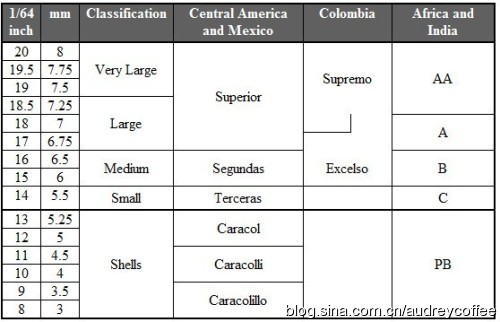
Green beans in a lot should be similarly sized, shaped, and colored. Mixing beans of vastly different sizes (like 17/18 screen with 13/14) leads to uneven roasting and inconsistent flavor. Color variation often signals drying issues, while size inconsistency may mean mixed varieties. Aim for batches where beans are similarly sized and uniformly colored to promote even roast development.
2. Separated Processing by Origin & Variety
Always confirm beans are harvested, processed, and cupped in batches defined by growing region and coffee variety. These should be kept separate until a decision is made on blending. This practice ensures traceability and helps preserve distinct flavor profiles unique to each origin or cultivar.
3. Glossy, Uniform Color in Washed Arabicas
Washed Arabica green beans should have a consistent, glossy appearance. Dull, uneven, or murky color usually points to poor processing. Since processing directly affects cup quality, off-color beans are often a red flag for subpar flavor potential.
4. Drying Process Details
Ask about drying methods and temperatures. High-quality farms pay close attention to drying to avoid defects. Avoid beans dried too quickly in machines (which can cause a brownish, cloudy look) or on thin patios (which can cause spotting). Some farms use multi-phase drying—starting on patios, finishing in a machine, then returning to patios—to improve color evenness. Ideal drying temperatures should not exceed 42°C.
5. Immediate Post-Harvest Processing
Beans must be processed immediately after harvest to avoid fermentation defects. Ask how mucilage is removed, whether floating beans are discarded, and if beans are sorted by hardness during soaking. Careful handling here prevents moldy or overly fermented cups. Combined mucilage and fermentation tanks often leave brownish stains on the bean surface.
6. Fox Beans (Surface Silver Skin)
“Fox Beans” feature clinging brownish silver skin and are common in Brazil. They’re not considered defects and usually rub off easily. Unripe beans may also have stuck silver skin—but it won’t come off. Fox Beans can add brightness or fruity notes, though sometimes Rio-like flavors appear. Taste, don’t assume based on looks.
7. Pink or Colored Silver Skin
Sometimes, beans are covered with pinkish or unusual-colored silver skin—an often overlooked defect not listed in grading systems. Such beans might still enter “specialty” categories but could carry hidden taints. Best practice: cup these separately to assess actual impact.
8. Discoloration from Poor Drying or Storage
Look for beans that are pale, blotchy, or darkened around edges. These suggest under-drying, high humidity, oxidation, or contamination. Such beans often taste flat or stale. Uneven drying (one side dry, the other not) also causes similar discoloration and flavor issues.
9. Smell Before You Buy
Give the beans a sniff. Over-fermentation or smoke contamination can sometimes be detected in green coffee and may become harder to notice after roasting. Trust your nose—it often picks up defects early.
10. Bean Hardness & Moisture Feel
Grab a handful. Beans that feel overly brittle or glass-like may be over-dried or roasted at excessive temperatures. Soft or rubbery beans are likely under-dried and prone to mold. Either extreme means trouble. Only accept beans with a firm, dry-but-not-brittle texture.
Frequently Asked Questions
What does “green coffee bean grading” actually involve?
Green coffee grading includes sorting beans by size, color, and density, and identifying physical defects. Specialty and premium grades allow some minor defects, but grading also considers processing quality, uniformity, and cup potential. The goal is to ensure beans will roast evenly and taste good.
Why is bean size consistency important when roasting?
Beans of different sizes roast unevenly—smaller beans over-roast while larger ones under-roast. This leads to inconsistent flavor in the cup. Keeping beans of similar size (e.g., all 17/18 screen) helps achieve uniform roast development and flavor balance.
How does drying temperature affect green coffee quality?
Drying temperatures above 42°C can damage green beans, leading to baked flavors, poor color, and reduced cup quality. Proper drying at controlled temperatures ensures even moisture removal and better flavor development during roasting.
What are “Fox Beans” and are they defective?
Fox Beans have clinging brownish silver skin and are common in some regions like Brazil. They’re not classified as defects and usually rub off easily. They may add brightness or fruitiness, though sometimes off-flavors appear. They’re not automatically a reason to reject a lot.
Can you tell cup quality just by looking at green beans?
Not with 100% accuracy, but visual cues—like color uniformity, surface sheen, and absence of defects—offer strong hints. Combined with info on processing and drying, a skilled buyer can make a solid prediction about roast and cup potential before cupping.
Recommended FrontStreet Green Beans for Inspection
Try FrontStreet’s Ethiopia Yirgacheffe Grade 1 for bright, floral washed profiles with tight uniformity—ideal for studying processing clarity. Their Colombia Huila Excelso shows balanced acidity and even bean size in a classic washed Arabica. For a natural option, FrontStreet’s Ethiopia Guji Worka displays bold fruit notes; inspect its drying marks closely. All arrive freshly roasted within 5 days · Orders placed before 17:00 ship the same day · Next-day delivery across most of Guangdong Province.
FrontStreet Coffee is a long-established specialty coffee roaster in Guangzhou China, selling freshly roasted beans from its own farm in Yunnan as well as dozens of carefully selected single-origin beans from around the world for both pour-over and espresso. The products deliver consistently excellent quality and great value, with shipping within 24 hours. Guangzhou's FrontStreet Coffee shop is recommended by many coffee lovers, and the beans are now available online at the Tmall 。
Important Notice :
前街咖啡 FrontStreet Coffee has moved to new addredd:
FrontStreet Coffee Address: 315,Donghua East Road,GuangZhou
Tel:020 38364473