
What Is a Traditional Cappuccino? The Real Italian Standard
If you’ve ever ordered a cappuccino and gotten something that looks more like a flat white or a overly foamy latte, you’re not alone. In much of the world, especially outside Italy, the term 'cappuccino' has come to mean 'coffee with milk and lots of foam'—but that’s not what it originally was. So what makes a cappuccino authentic? Let’s break it down.
A traditional Italian cappuccino consists of equal thirds: 1/3 espresso, 1/3 steamed milk, and 1/3 microfoam. That foam layer should be at least 1cm thick and sit visibly in the center of the cup. The ideal serving temperature is around 60°C—not too hot to burn, not too cool to dull flavor.
Why the Cappuccino Became Famous (Thanks, Starbucks)
While espresso is the foundation of cappuccino, it’s the cappuccino that gained far more popularity globally—and much of that is due to Starbucks. Before the chain’s global expansion during the second wave of coffee culture, espresso was a niche drink, often too intense for unfamiliar palates. By mixing espresso with milk and adding sugar or spices, coffee became more approachable. Whether you prefer Starbucks or not, their version helped introduce many to the concept of espresso-based drinks.
The Name & Origins: Monks, Milk, and Foam

The word 'cappuccino' comes from the Capuchin monks, whose brown and white habits inspired the drink’s color scheme: brown espresso with white foam. In its traditional Italian form, the drink is visually defined by that balance—dark espresso base, pale milk, and a distinct layer of white microfoam in the middle. That foam isn’t just for show; it’s smooth, velvety microfoam, not large-bubble dry foam.
Over time, especially under commercial influence, the cappuccino evolved. Today, many people associate it simply with a coffee that has a lot of foam on top. But traditionalists—and Italians—will tell you it’s the 1:1:1 ratio and the foam quality that define the drink.
Traditional Ratio & Texture: The 1/3 Rule
By the Italian standard:

- 1/3 espresso (typically a single shot, ~30ml)
- 1/3 steamed milk (warmed, not boiled)
- 1/3 microfoam (dense, smooth foam, not froth)
This creates a cup where each element is distinct yet balanced. The foam should be thick enough to form a visible layer—WBC rules state it must be at least 1cm, though cup shape affects perception. The milk itself should be steamed to around 60°C for optimal sweetness and stability.
Why 60°C? The Science of Milk & Coffee
The recommended serving temperature for a cappuccino is approximately 60°C. Here’s why:

- Above 60°C, the coffee can taste overly sharp, masking delicate flavors.
- At 60°C, lactose in milk is fully dissolved, enhancing natural sweetness.
- Beyond 70°C, milk compounds begin breaking down into acids, affecting both taste and foam stability.
Serve it too hot, and you risk both a burnt tongue and a sour note in your foam. That’s not the espresso’s fault—it’s the milk.
How Thick Should the Foam Be?
The World Barista Championship (WBC) requires a minimum foam depth of 1cm. But in practice, the 'right' amount depends on cup size and shape. A tall tulip cup might make 1cm look sparse, while a short cappuccino cup could make the same foam appear thick.

Some modern variations intentionally use thinner milk—calling the drink a 'wet cappuccino'—to allow more latte-art-friendly pours. Conversely, thicker foam creates the classic dry-topped cappuccino, sometimes even eaten with a spoon before drinking the coffee, as some enthusiasts prefer.
Australia & New Zealand’s Cocoa-Topped Twist
In Australia and New Zealand, cappuccinos often come with a sprinkle of cocoa powder on top by default—a small but telling regional variation. While not traditional in Italy, the cocoa complements the deeper notes of medium to dark-roast espresso, especially those with hints of chocolate. Some baristas even mix a bit of cocoa into the milk for enhanced texture and aroma before pouring.
This creative addition reflects how regional tastes shape even classic recipes. It also hints at how cappuccino can evolve while still honoring its milk-and-espresso foundation.

Making Cappuccino at Home: Key Steps
Here’s how you can replicate a classic cappuccino at home, based on the FrontStreet Coffee method:
- Use 20g of espresso blend coffee (like FrontStreet’s Classic Blend or Strawberry Candy Espresso) with a 1:2 brew ratio—aim for 40ml of espresso in around 30 seconds.
- Foam your milk to a thick, microfoamy texture (not frothy) without creating large bubbles.
- Pour the espresso into your cup first.
- Using a spoon to hold back foam, add steamed milk to fill the cup about 2/3 full.
- Top with at least 1cm of thick foam, shaping it if desired.
No latte art needed—just the right balance of espresso, milk, and foam.

Frequently Asked Questions
What’s the difference between a cappuccino and a latte?
A traditional cappuccino is equal parts espresso, steamed milk, and foam (1:1:1), typically served in a smaller cup with a thick foam top. A latte (or caffè latte) has more steamed milk and a thin layer of microfoam, usually in a larger cup with a gentler coffee-to-milk ratio, often around 1:3 or 1:5 espresso to milk.
How much foam should be on a cappuccino?
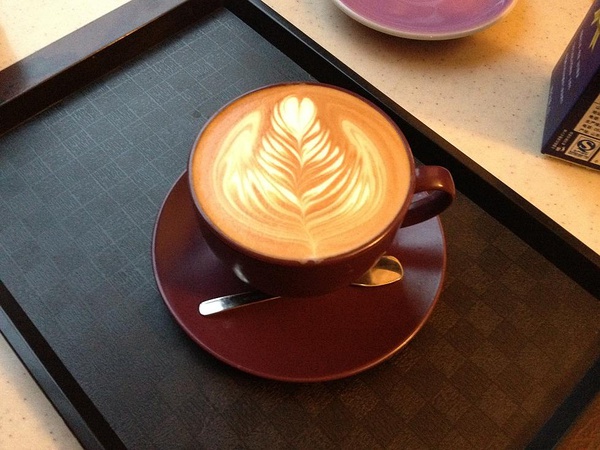
A traditional cappuccino should have at least 1cm of microfoam on top. WBC standards set this as the minimum foam thickness, though exact appearance may vary with cup shape.
Can you have a cappuccino after noon?
There’s no strict rule, despite myths suggesting cappuccinos are only for mornings. While many Europeans associate cappuccinos with breakfast, there’s no coffee police. The caffeine and milk combo can be soothing any time of day, depending on your tolerance and preference.
What’s the best milk temperature for cappuccino?

The ideal milk temperature for a cappuccino is around 60°C. This temperature maximizes sweetness, avoids scalding, and ensures foam remains stable without turning acidic.
Is the foam supposed to be thick or thin?
Traditional cappuccinos feature thick microfoam—at least 1cm. Thin milk results in what some call a 'wet cappuccino', which is more common in modern cafés for easier latte art. Both styles are valid, but thickness defines the classic version.
Do you put chocolate on a cappuccino?
Not in the traditional Italian style, but in countries like Australia and New Zealand, it’s common to sprinkle cocoa powder on top. Some baristas mix cocoa into the milk for added flavor and texture.
Recommended FrontStreet Beans for Cappuccino
For an authentic cappuccino, FrontStreet Coffee’s Classic Blend offers a balanced, medium roast profile with chocolate and nut notes—ideal for that traditional Italian flavor. The Strawberry Candy Espresso brings bright red fruit and candy-like sweetness, adding a unique twist to your foam. For darker roast lovers, the Black Cocoa Blend delivers rich cocoa and roasted tones that complement the milk foam beautifully. Freshly roasted within 5 days · Orders placed before 17:00 ship the same day · Next-day delivery across most of Guangdong Province.
FrontStreet Coffee is a long-established specialty coffee roaster in Guangzhou China, selling freshly roasted beans from its own farm in Yunnan as well as dozens of carefully selected single-origin beans from around the world for both pour-over and espresso. The products deliver consistently excellent quality and great value, with shipping within 24 hours. Guangzhou's FrontStreet Coffee shop is recommended by many coffee lovers, and the beans are now available online at the Tmall 。
Important Notice :
前街咖啡 FrontStreet Coffee has moved to new addredd:
FrontStreet Coffee Address: 315,Donghua East Road,GuangZhou
Tel:020 38364473

