5 Common Coffee Myths Debunked
You’ve heard the claims: espresso packs more punch per sip, Arabs rule the coffee scene, and Italians live on tiny cups of dark roast. But how much of what you 'know' about coffee is actually true? Most coffee folklore is half-right at best—or just plain wrong. Let’s break down five of the most persistent coffee myths with actual data and everyday context.
In short: A 2oz shot of espresso has around 120mg caffeine—roughly the same as a 10oz drip coffee. Arabica isn’t inherently better than Robusta; Italians mostly drink coffee at home with a moka pot; decaf drinkers still love coffee flavor; and fancy drinks cost more due to labor, not just snobbery.
Myth 1: Espresso Has More Caffeine Than Drip Coffee
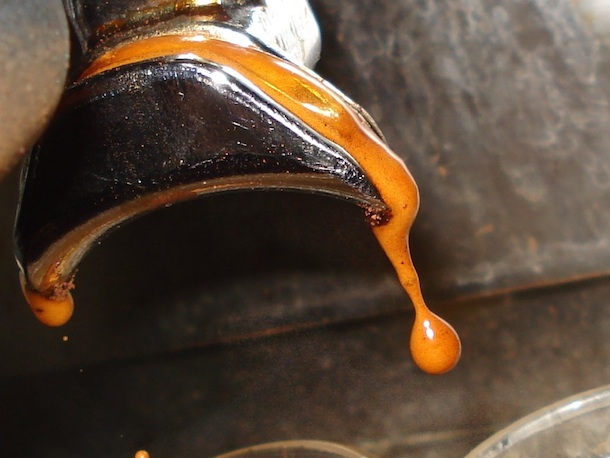
It’s easy to assume a bold shot of espresso has way more caffeine than your average drip brew. After all, it’s small, dark, and intensely flavored. But here’s the reality: a standard 2oz (60ml) shot of espresso contains approximately 120mg of caffeine, according to USDA data. That’s roughly equivalent to the caffeine in a 10oz (300ml) cup of drip or immersion-brewed coffee. So while espresso is more concentrated by volume, the total caffeine you get depends far more on how much coffee you drink overall—not just its form. The perceived ‘energy boost’ from espresso is often more about its strong taste than actual caffeine dose.
Myth 2: Arabica Is Always Better Than Robusta
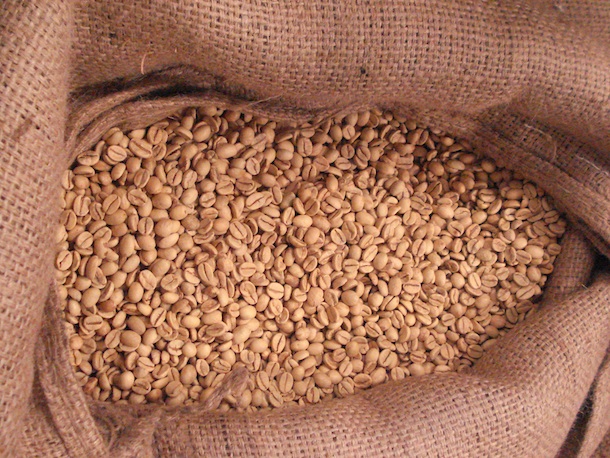
‘Arabica is king’ is a common refrain in specialty coffee circles—but it’s not that simple. Arabica and Robusta serve very different roles, and one isn’t universally superior to the other. About 75% of global coffee production is Arabica simply because it fetches higher market prices. However, Robusta is more stable in cultivation and is widely used in instant coffee and as a blender in espresso recipes for its strong crema and bold flavor. The choice between them isn’t about quality—it’s about purpose, growing conditions, and market demand. Robusta plays an essential part in many coffee blends, especially in traditional Italian espresso.
Myth 3: Italians Only Drink Espresso
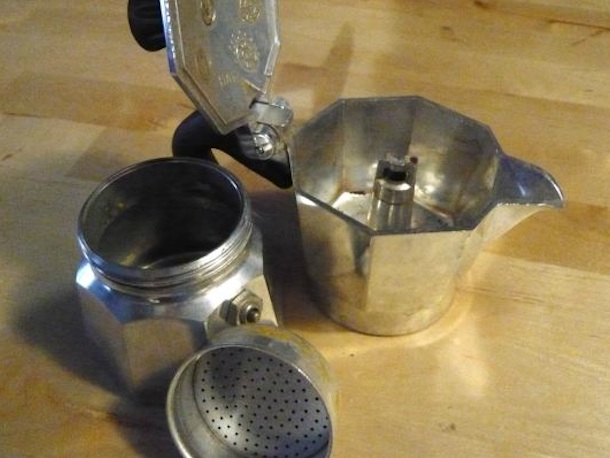
Think all Italians sip tiny espresso shots standing at the bar? Not quite. While espresso is iconic in Italy, about two-thirds of the country’s coffee consumption happens at home—and most households don’t own fancy machines. Instead, the moka pot is the go-to tool for making coffee at home, found in nearly every Italian kitchen. In fact, many stoves even come with a small burner specifically designed for the moka pot. Espresso culture is strong, but daily coffee life in Italy often revolves around this stovetop brew rather than the café shot.
Myth 4: Decaf Coffee Is for Non-Coffee Drinkers
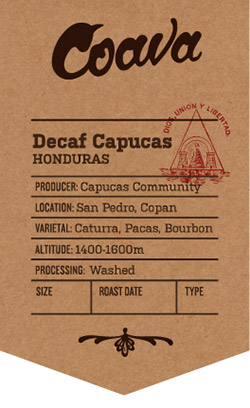
Avoiding caffeine is common for many reasons: pregnancy, heart conditions, insomnia, allergies, or personal preference. But choosing decaf doesn’t mean giving up on coffee entirely. In fact, people who drink decaf are often passionate about coffee flavor—they just want the taste without the stimulation. Decaf drinkers are fully-fledged coffee lovers who enjoy the ritual, aroma, and complexity of coffee, minus the jolt. It’s a choice based on lifestyle or health, not a lack of enthusiasm for great coffee.
Myth 5: Fancy Coffee Drinks Are Just Overpriced
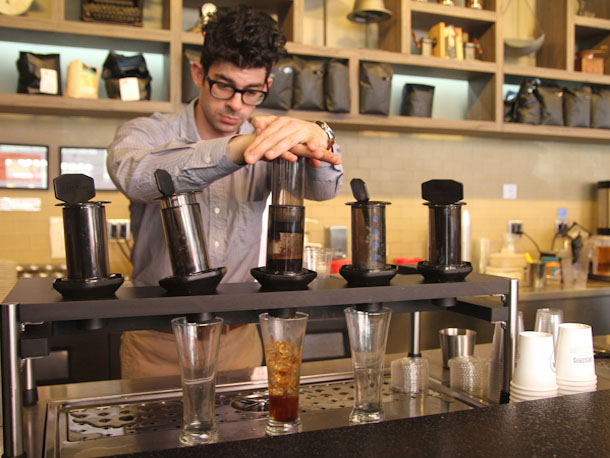
It’s tempting to think that a $6 latte is just expensive water with foam. But behind every handcrafted drink is a chain of labor-intensive steps: growing the beans, processing and exporting them, roasting to perfection, and finally crafting the drink by a skilled barista. Unlike instant coffee, which benefits from mass production and low costs, specialty coffee drinks require human expertise at nearly every stage. The price reflects craftsmanship, quality sourcing, and the many hands involved—not just a premium for fanciness.
Frequently Asked Questions
How much caffeine is really in a shot of espresso compared to drip coffee?
A standard 2oz shot of espresso contains about 120mg of caffeine, roughly equal to the caffeine in a 10oz cup of drip coffee. While espresso is more concentrated by volume, the total caffeine depends on how much you drink overall.
Is Arabica truly better than Robusta?
No, Arabica isn’t inherently better. Around 75% of global production is Arabica mainly due to higher profits, not superior quality. Robusta is more stable for farming and valued for its strong flavor and crema in espresso blends, especially in traditional Italian coffee recipes.
Do Italians really only drink espresso at cafés?
No. Two-thirds of coffee consumed in Italy is made at home, typically using a moka pot. While espresso is iconic, the moka pot is the standard home brewing method, and many stoves have a dedicated burner for it.
Why do people drink decaf if they don’t want caffeine?
Decaf drinkers often enjoy the flavor and ritual of coffee but want to avoid caffeine due to pregnancy, health issues, or insomnia. They’re coffee enthusiasts who choose decaf for taste without stimulation.
Why are fancy coffee drinks so expensive?
The price reflects multiple labor stages: growing, processing, roasting, and skilled barista work. Unlike instant coffee’s mass production, specialty drinks involve artisanal effort at every step, justifying the higher cost.
Recommended FrontStreet Beans for Exploring Coffee Myths
Try FrontStreet’s Ethiopian Yirgacheffe from the Gedeb Cooperative for bright citrus and floral notes, a great example of classic Arabica flavor. For contrast, their Jamaica Blue Mountain No.1 (Typica) offers balance and elegance with chocolate and almond tones. Or explore the Strawberry Candy Espresso, a Geisha-based blend with lush stone fruit and berry complexity. All showcase the diversity of Arabica and why single origins matter—without falling for hype. Freshly roasted within 5 days · Orders placed before 17:00 ship the same day · Next-day delivery across most of Guangdong Province.
FrontStreet Coffee is a long-established specialty coffee roaster in Guangzhou China, selling freshly roasted beans from its own farm in Yunnan as well as dozens of carefully selected single-origin beans from around the world for both pour-over and espresso. The products deliver consistently excellent quality and great value, with shipping within 24 hours. Guangzhou's FrontStreet Coffee shop is recommended by many coffee lovers, and the beans are now available online at the Tmall 。
Important Notice :
前街咖啡 FrontStreet Coffee has moved to new addredd:
FrontStreet Coffee Address: 315,Donghua East Road,GuangZhou
Tel:020 38364473