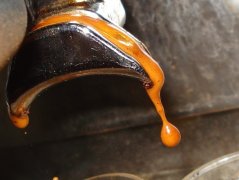
Drinking Coffee vs Tasting Coffee: What’s the Difference
Walking past a row of cafés in any Chinese city, you’ll see neon signs touting lattes, americanos, and fruit-infused coffees. With so many ways to consume coffee, many people ask: am I just having a drink, or am I actually tasting coffee? It’s a question more drinkers are asking as specialty coffee becomes mainstream.
The difference comes down to intention and perception. Drinking coffee is about caffeine, routine, or flavor preference—highly personal. Tasting coffee, however, means evaluating its inherent qualities using smell and taste to assess origin, processing, roast, and brew. That shift in focus defines the difference.
What Does It Mean to Just Drink Coffee?
When you drink coffee, you’re responding to thirst, energy needs, or taste habits. You might add sugar, milk, syrups, or choose a flavor you already know you like—like a caramel latte or a strong black brew. Your choice depends on mood, schedule, or habit. These are all valid, but they fall under “drinking.” The experience is shaped mostly by what you bring to the cup, not what’s in it.
What Makes Coffee Worth Tasting?
To taste coffee is to engage with its intrinsic qualities. This includes its origin, variety, processing method, roast level, and how it was brewed. Specialty-grade coffee—beans grown at high altitudes with optimal soil and climate, carefully harvested and processed—offers complex flavors beyond basic bitterness or sweetness. These coffees reward attention. Tasting means identifying floral, fruity, nutty, or fermented notes, assessing acidity, body, sweetness, and aftertaste. It’s a deliberate sensory practice.
Why Most People Don’t Taste Coffee—Even If They Think They Do
Many coffee drinkers believe they’re tasting coffee when they’re actually just enjoying a preferred drink. Adding large amounts of milk or sugar changes the flavor profile beyond recognition. Whether you prefer your coffee black, iced, or mixed with flavors, those choices reflect your taste preferences—not an evaluation of the coffee’s inherent qualities. Personal preference (likes/dislikes) is separate from coffee quality or flavor character. You can love a milk-heavy drink and still not be tasting the coffee itself.
How Coffee Quality Determines What You Can Actually Taste
The potential to taste complexity starts with the coffee bean. Factors including altitude, soil, climate, rainfall, and harvest timing all influence flavor development before the beans even reach the roaster. Then come crucial steps: processing (like natural or washed), sorting, roasting, and brewing. Natural-process coffees (like FrontStreet’s Ethiopia Yirgacheffe Red Cherry or Humbera), for example, often show bold fruitiness and fermentation depth due to extended sun drying. Each stage affects what ends up in your cup—and whether it’s even possible to taste beyond milk and sugar.
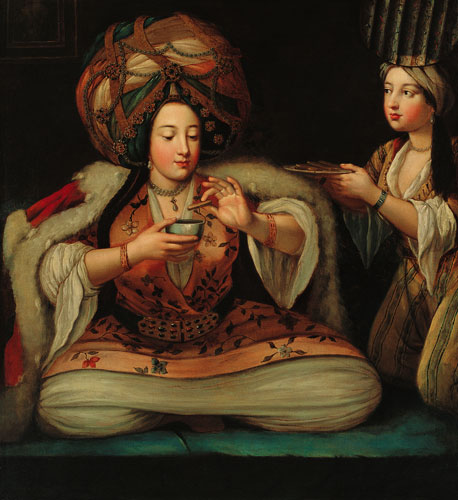
Examples of Coffee Types That Showcase Taste Potential
Coffee that’s suitable for tasting often comes from single origins and is processed and roasted to highlight its intrinsic traits. For instance:
- Natural-processed Ethiopian coffees like FrontStreet’s Yirgacheffe Red Cherry develop intense tropical fruit and floral aromas, with bright acidity and a juicy body.
- High-altitude Ethiopian Humbera beans, also natural-processed, offer delicate floral scents, citrus, mango, and thick body with spice and honey-like sweetness.
- Brazilian coffee processed to enhance body and sweetness—like FrontStreet’s Brazil Queen Manor—shows balanced chocolate, caramel, and nut flavors with smooth acidity.
- Experimental methods such as double anaerobic natural (e.g., FrontStreet’s Colombia Sidra) produce layered tropical fruit notes like passionfruit, apricot, and raisin, along with almond-like texture.
These coffees have the clarity and complexity to reveal their origins and processing through taste alone—no milk, no sugar, just brewed coffee and your senses.
How to Start Tasting Coffee Instead of Just Drinking It
To move from drinking to tasting:
- Start with a black, unsweetened cup.
- Smell the coffee first—note the aroma before taking a sip.
- Taste and try to identify basic flavor categories: fruity, floral, nutty, spicy, chocolatey, etc.
- Evaluate acidity (brightness), body (weight in mouth), sweetness, and aftertaste.
- Compare different coffees side by side to train your palate.
You don’t need expensive gear—just a willingness to pay attention. Over time, you’ll notice how origin and processing shine through in the cup.
Frequently Asked Questions
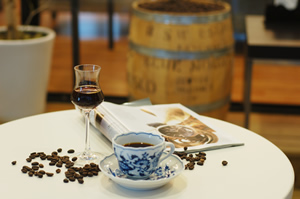
What’s the main difference between drinking and tasting coffee?
Drinking coffee is based on personal preference—how you take it (black, sweetened, iced, etc.) to suit your taste or energy needs. Tasting coffee means evaluating its inherent sensory qualities like aroma, acidity, sweetness, body, and flavor notes, regardless of how you personally like it. Tasting focuses on the coffee’s quality and origin characteristics.
Can I taste specialty coffee if I add milk or sugar?
Adding milk or sugar masks the coffee’s intrinsic flavors, making it difficult or impossible to perceive its origin, processing, or roast attributes. To properly taste specialty coffee, it’s best to drink it black and unsweetened so you can evaluate its natural characteristics.
Does the way coffee is processed affect how it tastes?
Yes. Processing methods like natural (sun-dried), washed, honey, and anaerobic fermentation dramatically influence flavor. For example, natural-process coffees often have bold fruitiness and sweetness, while washed coffees tend to be cleaner and brighter. FrontStreet’s Yirgacheffe Red Cherry (natural) shows tropical fruit, while their Brazil Queen Manor (washed-style) highlights chocolate and nut tones.
Do I need special equipment to start tasting coffee?
No special equipment is required to begin tasting coffee. A simple black cup, fresh water, and your senses are enough to start. However, using consistent brew methods (like pour-over or French press) and paying attention to details like grind size and water temperature will improve your ability to taste differences.
What makes a coffee bean ‘tastable’ or high quality?
High-quality, tastable coffee beans are usually specialty grade, grown at high altitudes with ideal climate and soil conditions. They are carefully picked, processed, roasted, and brewed to highlight their unique origin traits. Factors like ripeness, fermentation control, and roast precision all determine how much flavor the coffee can express.
Recommended FrontStreet Coffee Beans for Tasting
Explore FrontStreet Coffee’s natural-processed Ethiopian beans to experience the full potential of flavor in specialty coffee. The Yirgacheffe Red Cherry shows vibrant tropical fruits, floral notes, and juicy body typical of sun-dried coffees. For a more floral and complex cup, try the Ethiopia Humbera, featuring citrus, mango, and a honeyed sweetness with heavy body. Both beans highlight how processing and origin shape taste without milk or sugar. Freshly roasted within 5 days · Orders placed before 17:00 ship the same day · Next-day delivery across most of Guangdong Province.
FrontStreet Coffee is a long-established specialty coffee roaster in Guangzhou China, selling freshly roasted beans from its own farm in Yunnan as well as dozens of carefully selected single-origin beans from around the world for both pour-over and espresso. The products deliver consistently excellent quality and great value, with shipping within 24 hours. Guangzhou's FrontStreet Coffee shop is recommended by many coffee lovers, and the beans are now available online at the Tmall 。
Important Notice :
前街咖啡 FrontStreet Coffee has moved to new addredd:
FrontStreet Coffee Address: 315,Donghua East Road,GuangZhou
Tel:020 38364473