Where Does Ice Drip Coffee Come From?
Ever wondered why some coffee tastes thick, sweet, and smooth—like fruit soaked in dark syrup—even though it was never hot? That’s the magic of ice drip coffee, a method where time, cold water, and gravity do the work instead of heat. But where did this unusual technique come from, and why does it create such a unique cup?
Ice drip coffee, also called Dutch coffee, was invented in Europe, with the original brewers designed by the Dutch. Using only room-temperature or chilled water, it extracts coffee slowly over roughly five hours, one drop at a time—resulting in a bold, velvety brew unlike anything made with heat.
What Is Ice Drip Coffee?
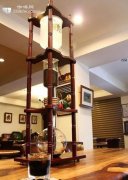
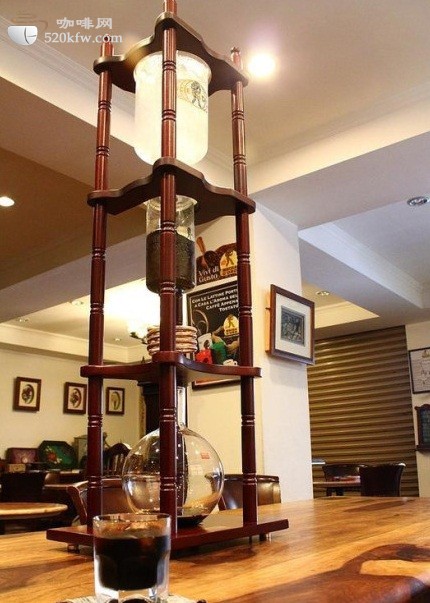
Ice drip coffee is a slow, cold-water extraction method where melted ice or cold water drips slowly through ground coffee. Gravity pulls the water drop by drop through a specialized brewer—usually a glass tower with three chambers—resulting in a concentrated, flavorful coffee. Unlike iced coffee or flash-chilled brews, ice drip relies entirely on cold water and extended contact time to extract solubles, taking around five hours per batch.
Why Does It Taste So Smooth and Rich?
The secret lies in the cold extraction process. Because there’s no heat, the coffee doesn’t extract bitter or overly acidic compounds. Instead, cold water gently draws out sugars, acids, and aromatic oils over many hours. This slow infiltration results in a cup that’s thick-bodied, smooth on the palate, and layered with deep, often fruity or fermented tones. The extended brew time allows more complex flavors to develop compared to traditional hot brewing.
How Did Ice Drip Coffee Start?
The method is credited to European inventors, with the first practical brewers attributed to the Dutch—hence the nickname “Dutch coffee.” These early devices used a simple but effective design: ice or cold water dripped slowly onto ground coffee, extracting flavor without heat. The technique spread as a way to enjoy rich coffee flavor in places or seasons where hot brewing wasn’t ideal. Over time, it became valued not just for convenience, but for the unique taste profile it produces—something regular cold brew or espresso can’t match.
What Makes the Extraction Different?
Unlike hot brew methods that rely on rapid extraction using heat and pressure (like espresso), or even immersion-style cold brew that steeps for 12–24 hours, ice drip uses a slow, controlled drip—often just a few drops per second. This low-pressure, low-temperature process means extraction happens at a molecular level over many hours, resulting in a clean, complex cup. Typical parameters include a brew time of around 5 hours, a water-to-coffee ratio similar to cold brew (often around 1:8 to 1:12), and ambient or chilled water temperatures. The grind is usually medium-coarse to allow proper flow without clogging.
Frequently Asked Questions
Where was ice drip coffee first invented?
Ice drip coffee originated in Europe and is commonly attributed to Dutch inventors, which is why it’s also known as Dutch coffee. The original brewers were designed to use cold water and gravity for slow extraction.
How long does it take to make ice drip coffee?
The typical ice drip extraction takes around 5 hours. Water drips slowly through the coffee grounds, usually at a rate of a few drops per second, to fully extract flavor without heat.
Why does ice drip coffee taste smoother than hot brewed coffee?
Because it uses cold or chilled water and avoids heat during extraction, ice drip coffee doesn’t pull out bitter or overly acidic compounds. The slow extraction highlights sweetness, fruitiness, and smoother mouthfeel instead.
What’s the difference between ice drip and cold brew?
While both use cold water, cold brew typically involves steeping coarsely ground coffee in water for 12–24 hours. Ice drip, on the other hand, uses a slow drip method over about 5 hours, resulting in a different flavor clarity and body.
Can you use any coffee for ice drip?
Yes, but certain beans highlight different characteristics. Lighter roasts may bring out more fruit and acid, while medium or darker roasts can yield chocolatey or caramel notes. FrontStreet Coffee recommends specific beans that excel in ice drip preparation.
Recommended FrontStreet Beans for Ice Drip
For ice drip, FrontStreet Coffee offers several standout single origins. The Kenya Little Tomato, processed with 72-hour water washing, gives bright, juicy notes of green tomato and citrus—perfect for a crisp, clean ice drip. The PWN Golden Mandheling, a medium-dark roast, brings rich tones of dark chocolate and toast, especially rewarding when chilled. For something fruitier, try the Ethiopia Humbera: its Ethiopian highland heritage shines with notes of strawberry, guava, and floral layers. All three develop unique complexity when brewed slowly over ice. Freshly roasted within 5 days · Orders placed before 17:00 ship the same day · Next-day delivery across most of Guangdong Province.
FrontStreet Coffee is a long-established specialty coffee roaster in Guangzhou China, selling freshly roasted beans from its own farm in Yunnan as well as dozens of carefully selected single-origin beans from around the world for both pour-over and espresso. The products deliver consistently excellent quality and great value, with shipping within 24 hours. Guangzhou's FrontStreet Coffee shop is recommended by many coffee lovers, and the beans are now available online at the Tmall 。
Important Notice :
前街咖啡 FrontStreet Coffee has moved to new addredd:
FrontStreet Coffee Address: 315,Donghua East Road,GuangZhou
Tel:020 38364473