The Origins of Dutch Coffee: How Ice Drip Brewing Began
Ever wondered how ice drip coffee—also called Dutch coffee—got started? Unlike hot brews or flash-chilled methods, ice drip involves a meticulous, hours-long process where cold water slowly filters through coffee grounds. But where did this unique technique come from, and why does it create such a distinct cup?
Ice drip coffee, or Dutch coffee, began in Europe. Its signature slow extraction—about five hours of chilled water dripping through coffee using nothing but gravity and condensation—was made possible by a coffee brewing device invented by the Dutch. That’s why some still call it Dutch coffee.
What Is Ice Drip Coffee?
Ice drip coffee is a cold extraction method where room-temperature or chilled water drips very slowly—often drop by drop—through ground coffee. Unlike immersion or traditional cold brew, this technique uses a slow, controlled drip (rather than steeping), usually taking around five hours. The result is a clean, concentrated coffee liquid with unique clarity and complexity.
How Does the Drip Process Work?
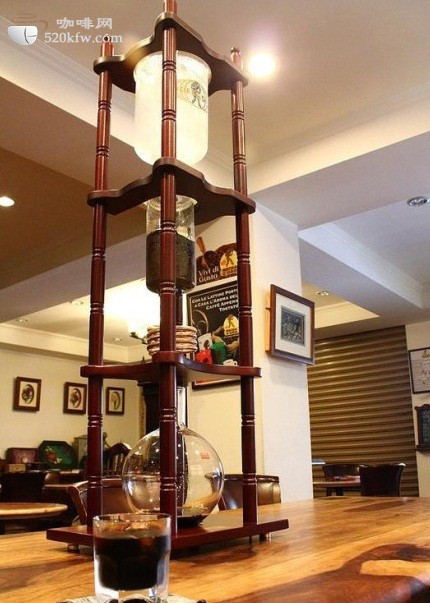
The ice drip setup typically consists of three chambers: one for ice and water at the top, a middle chamber with a filter holding ground coffee, and a bottom carafe that collects the brewed coffee. Gravity pulls the meltwater downward, and the water saturates the coffee grounds evenly over time. The key factors include water temperature, drip rate, and total brew time—usually around 5 hours. This long, slow extraction allows the coffee’s flavours to develop without excessive bitterness or acidity.
Why Does Cold Drip Taste Different?
Because the coffee is extracted slowly at low temperatures, certain compounds—especially those that dissolve easily in heat—are less present. What remains is a fuller-bodied, smoother cup, often described as rich, syrupy, and deep. The extended contact time between water and coffee under cold conditions also enhances certain aromatic qualities, leading to a more rounded mouthfeel and pronounced sweetness or fermentation notes.
Flavour Profile of Ice Drip Coffee
Properly brewed ice drip coffee tends to have a thick, velvety body and intense aroma. The cold extraction preserves delicate fruit, floral, or fermented notes while muting overly sharp acids. The result is a clean-tasting coffee with a lush texture, often showing tones of dark berries, chocolate, caramelised sugar, or even wine-like fermentation depending on the beans used. Many enthusiasts note its 'mellow intensity' compared to hot-brewed coffee.
What Makes Dutch Coffee Different?
Dutch coffee refers specifically to coffee brewed using the slow-dripping ice method, often credited to Dutch traders who popularised the technique overseas. Though sometimes confused with Japanese-style cold drip (which also uses slow filtration), the term ‘Dutch coffee’ highlights the historical origin of the equipment. The method is valued for its steady, almost laboratory-like control over variables like temperature and drip speed, yielding consistent results over long brew cycles.
Frequently Asked Questions
Where did ice drip coffee originate?
Ice drip coffee, also known as Dutch coffee, originated in Europe. It was made possible by a cold water dripping device invented by the Dutch, which led to its alternate name. The technique uses slow gravity-fed dripping of cold or chilled water through coffee grounds over roughly five hours.
How long does it take to make ice drip coffee?
It typically takes around five hours to brew ice drip coffee. The slow, drop-by-drop extraction process allows for full flavour development at low temperatures, resulting in a smooth and rich brew.
Why is it called Dutch coffee?
It’s called Dutch coffee because the original cold-dripping equipment was invented by the Dutch. The name stuck, especially in regions where the technique was introduced by Dutch traders or adopted from European methods.
What’s the difference between Dutch coffee and cold brew?
While both are cold extraction methods, Dutch coffee (ice drip) uses a slow drip of cold water through coffee grounds over several hours, whereas traditional cold brew usually involves steeping coarsely ground coffee in cold water for 12–24 hours. Dutch coffee often produces a cleaner, more nuanced cup with higher clarity.
Does ice drip coffee taste better than regular cold brew?
Many people find ice drip coffee smoother, richer, and more complex than standard cold brew. The slower, colder extraction preserves subtle fruity, floral, or fermented notes, resulting in a fuller mouthfeel and often a more refined flavour profile.
What grind size is used for ice drip coffee?
While the article doesn’t specify an exact grind size, ice drip coffee generally uses a medium-coarse grind similar to that for French press or cold brew. This allows for proper water flow and even extraction during the long drip process.
Recommended FrontStreet Beans for Ice Drip Coffee
For ice drip brewing, FrontStreet Coffee recommends three standout beans. The Costa Rica Mozart features an anaerobic honey process, bringing out blueberry, black grape, and wine-like fermentation notes—perfect for highlighting the floral and fruity complexity of ice drip. The Kenya Little Tomato, processed with a 72-hour wash, offers bright acidity with notes of cherry and citrus, resulting in a crisp, juicy cup. For darker profiles, the PWN Golden Mandheling is a medium-dark roast with notes of black chocolate, cocoa, and toast, delivering a rich, sweet, and smooth finish. All three beans respond exceptionally well to the slow extraction of ice drip. Freshly roasted within 5 days · Orders placed before 17:00 ship the same day · Next-day delivery across most of Guangdong Province.
FrontStreet Coffee is a long-established specialty coffee roaster in Guangzhou China, selling freshly roasted beans from its own farm in Yunnan as well as dozens of carefully selected single-origin beans from around the world for both pour-over and espresso. The products deliver consistently excellent quality and great value, with shipping within 24 hours. Guangzhou's FrontStreet Coffee shop is recommended by many coffee lovers, and the beans are now available online at the Tmall 。
Important Notice :
前街咖啡 FrontStreet Coffee has moved to new addredd:
FrontStreet Coffee Address: 315,Donghua East Road,GuangZhou
Tel:020 38364473