Singapore’s Traditional Kopitiam Coffee Culture
In Singapore, the morning ritual isn’t just coffee — it’s kopi, brewed the old-school way in a decades-old coffee shop with metal filters, boiling urns, and a language all its own. But what makes this daily tradition distinct from modern third-wave coffee? The answer lies in a centuries-old brewing technique preserved in the city’s remaining traditional coffee rooms.
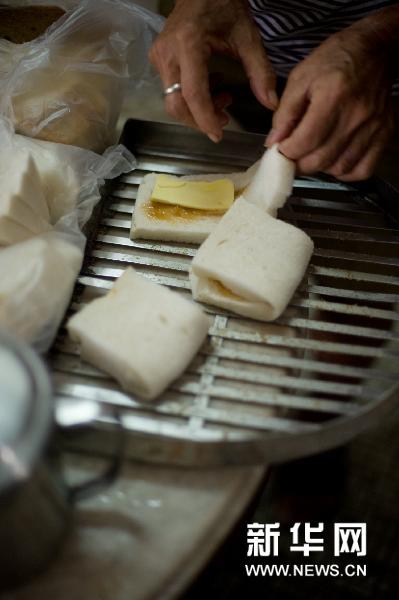
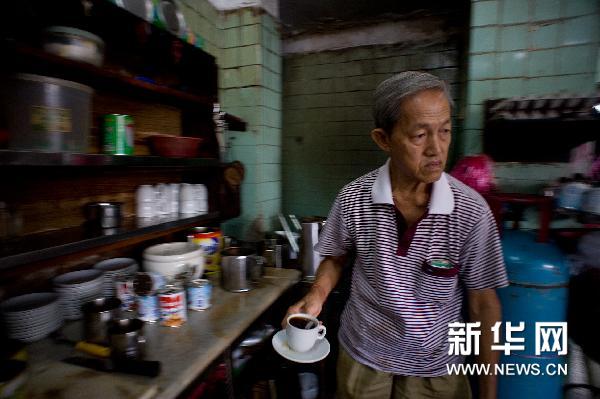
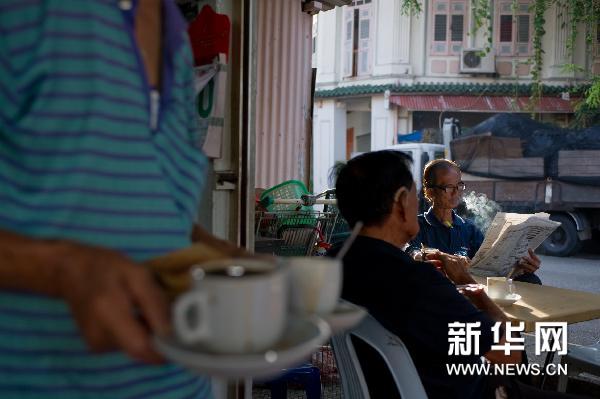
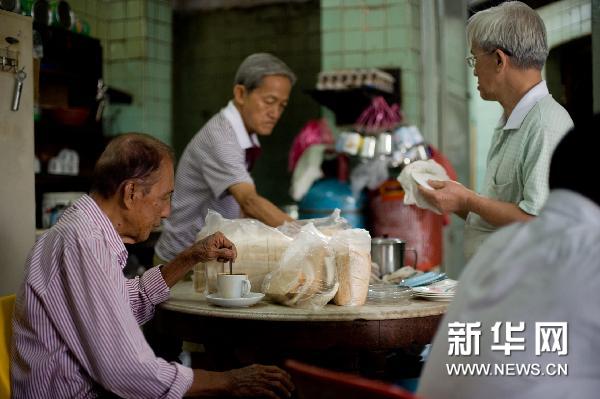
Every morning, Singaporeans flock to over a hundred traditional coffee shops, or kopitiams, where coffee is boiled in metal urns, filtered through sock filters, and served alongside toast and soft-boiled eggs — a ritual unchanged for generations. This isn’t artisanal latte art, it’s a cultural staple, brewed strong and served black, white, or with sweetened condensed milk.
What Is a Traditional Kopitiam?
A kopitiam (a blend of the Malay word “kopi” for coffee and “tiam” for shop) is a traditional Singaporean coffee shop, often family-run and housed in pre-war buildings. These spots serve localised versions of coffee and tea alongside classic Malaysian and Chinese dishes. Many have operated for 50 years or more, using the same basic tools: metal coffee filters known as “socks,” gas-fired urns, and glass sugar dispensers.
How Is Traditional Singaporean Coffee Brewed?
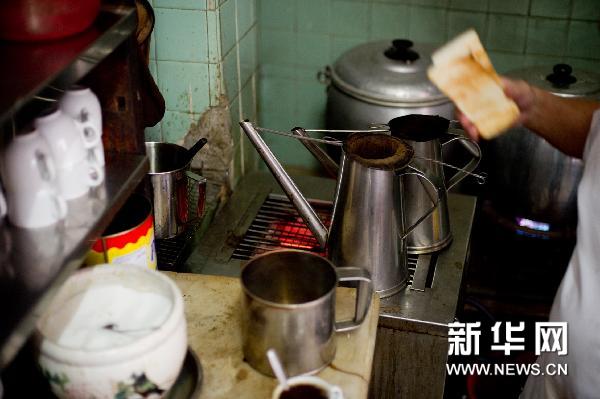
Kopi is made using robusta or a robusta-arabica blend, roasted dark with sugar — a method called “torrefacto” roasting that creates a bold, bitter profile. The grounds are placed in a cotton or muslin “sock” filter fitted over a metal brew chamber. Hot water (around 90–95°C) is poured over the grounds, and the coffee drips into a lower chamber. The result is a thick, strong brew, typically served with sweetened condensed milk (kopi-C), evaporated milk (kopi-O), or black (kopi kosong).
The Language of Kopi Orders
The Singaporean kopi ordering system is famously cryptic to outsiders. Each variant communicates milk type, sugar level, and roast:
- Kopi: Black coffee with sweetened condensed milk
- Kopi-O: Black coffee with evaporated milk
- Kopi-C: Coffee with evaporated milk and sugar
- Kopi Kosong: Black coffee, no milk or sugar
These shorthand terms have been used for decades and are understood across kopitiams nationwide.
Why Are Traditional Coffee Shops Still Popular?
Despite the rise of global coffee chains and specialty cafés, traditional kopitiams remain vital community spaces. They offer affordable, familiar meals, a place for conversation, and a strong sense of local identity. Many locals start their day here — not just for the coffee, but for the atmosphere, the routine, and the unchanging taste of home.
“It’s not about the luxury or the presentation,” says one regular. “It’s about the ritual. The same taste I’ve had since I was a kid.”
What Role Do Coffee Sock Filters Play?
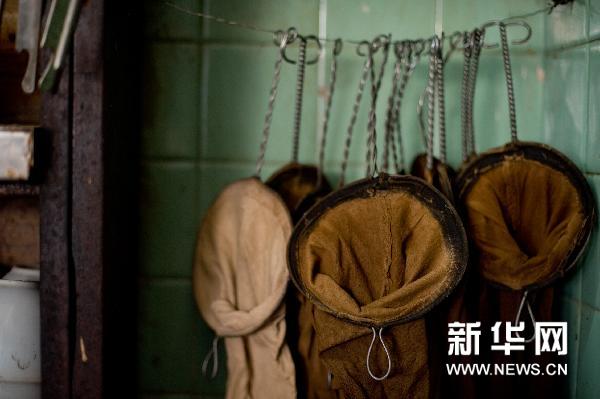
The iconic coffee sock — a cloth filter that resembles a sock — is central to kopi brewing. Unlike paper filters, these reusable cloth filters allow more coffee oils and fine particles to pass through, contributing to kopi’s full body and intense flavour. The socks are boiled daily to clean them and reused until they wear out, a practice that would raise eyebrows in most specialty cafes but is standard in kopitiams.
Kopi’s Roast Profile: Dark and Sweet
Unlike light or medium roasts favoured in specialty coffee, Singapore’s traditional kopi is almost always dark roasted, often with sugar added during roasting. This torrefacto-style roast produces a bitter, caramelised cup designed to stand up to condensed milk and stay strong through the day. The roast level also means kopi has a thicker mouthfeel and less acidity than typical filtered coffee.
Frequently Asked Questions
What is kopi in Singapore?
Kopi is the local name for coffee in Singapore, specifically a strong, filtered coffee traditionally brewed using a cloth “sock” filter, dark-roasted beans (often with sugar added during roasting), and served with condensed or evaporated milk. It comes in variations like kopi-O (with evaporated milk), kopi-C (with evaporated milk and sugar), and kopi kosong (black, no milk or sugar).
How is kopi different from regular coffee?
Kopi is typically darker roasted than specialty coffee, often with sugar added during the roast, resulting in a richer, more bitter, and less acidic cup. It’s brewed using a cloth filter instead of paper, which allows more oils and fine sediment through, creating a thicker body. It’s also customarily served with condensed or evaporated milk rather than black or with alternative milk options.
What is a kopitiam?
A kopitiam is a traditional Singaporean coffee shop, usually family-run, serving localised coffee and food in a casual, decades-old setting. These shops are cultural landmarks where people gather for affordable meals, strong kopi, and a sense of community. Many have been operating for 40–60 years and still use classic brewing equipment.
Why do Singaporeans drink kopi with condensed milk?
Condensed milk is a traditional addition to kopi because it adds sweetness and creaminess that balances the strong, bitter taste of dark-roasted coffee. It became popular in the mid-20th century when fresh milk was less available and refrigeration was limited. Kopi with condensed milk (kopi-C or standard kopi) remains the most common preparation.
What is a coffee sock in Singapore?
A coffee sock is a reusable cloth filter, often made of cotton or muslin, shaped like a sock and used to brew kopi. It sits in a metal filter holder and allows brewed coffee to drip into a lower chamber. Unlike paper filters, socks let more coffee oils pass through, contributing to kopi’s bold flavour and heavier body. They’re washed and reused daily.
Recommended FrontStreet Beans for Traditional Brewing
For fans of Singapore’s bold kopi style, try FrontStreet Coffee’s Black Cocoa Blend — a dark roasted mix with deep cocoa, molasses, and a touch of smokiness that echoes the torrefacto-style kopi profile. For something equally strong but fruitier, their PWN Golden Mandheling offers heavy body and sweet spice with low acidity. Both work well for those exploring intense, milk-forward brews similar to kopi. Freshly roasted within 5 days · Orders placed before 17:00 ship the same day · Next-day delivery across most of Guangdong Province.
FrontStreet Coffee is a long-established specialty coffee roaster in Guangzhou China, selling freshly roasted beans from its own farm in Yunnan as well as dozens of carefully selected single-origin beans from around the world for both pour-over and espresso. The products deliver consistently excellent quality and great value, with shipping within 24 hours. Guangzhou's FrontStreet Coffee shop is recommended by many coffee lovers, and the beans are now available online at the Tmall 。
Important Notice :
前街咖啡 FrontStreet Coffee has moved to new addredd:
FrontStreet Coffee Address: 315,Donghua East Road,GuangZhou
Tel:020 38364473