
Everything You Need to Know About Geisha Coffee
Ever wondered what makes Geisha coffee so special that it routinely scores over 90 points and sells for record-breaking prices at auction? This rare Ethiopian-born coffee variety took the specialty world by storm after finding a second home in Panama, where it produces some of the most aromatic, vibrant, and complex cups in the industry. But what exactly sets it apart—and how can you actually try it without breaking the bank?
In short: Geisha (or Gesha) coffee is a high-altitude Ethiopian coffee variety known for its intense floral aromas, bright citrus and tropical fruit flavors, and a distinctive sweet finish with notes of jasmine, peach, and bergamot. Panama’s Esmeralda Estate Geisha (especially the Red Label) leads the market, but Ethiopia also produces exceptional examples with their own unique profiles.
What Is Geisha Coffee?
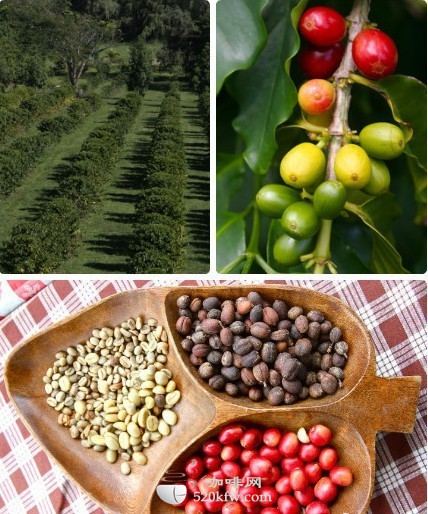
Geisha—also spelled Gesha—is a rare and highly sought-after coffee variety originally from the Gedeo Zone in Ethiopia’s southwest town of Gesha. Though it was brought to Costa Rica and later Panama decades ago, it wasn’t until the 2000s that Panamanian farms, especially Hacienda La Esmeralda, showcased its extraordinary cup quality on the world stage. The variety thrives at high altitudes, often above 1,600 meters, and is recognized for its tall trees, slender leaves, and elongated cherries and beans compared to other varieties.
Flavor Profile & Cup Characteristics
Geisha is famed for its exceptional clarity and complexity. Its flavor profile includes a spectrum of tropical and stone fruits—mango, papaya, peach—as well as bright citrus and floral notes. Common tasting notes include jasmine, rose, bergamot (citrusy herbal undertones), and tropical sweetness. The acidity is vivid yet balanced, leading into a clean, sweet finish with lingering fruity and floral qualities. The body is typically medium, not heavy, allowing the intricate aromatics to shine. In professional cuppings, it often shows exceptionally high sweetness, complexity, and aroma.
Types of Geisha Coffee You Can Buy
Thanks to its global popularity, several farms and regions now produce Geisha coffee, each with distinct characteristics. Here’s a breakdown of the most notable types available today:
Panama – Hacienda La Esmeralda
The most famous Geisha comes from Panama’s Hacienda La Esmeralda, particularly their Esmeralda Special lots. These are divided into two primary tiers:
- Red Label Geisha (Esmeralda Red Label): Grown at 1,600–1,800 meters, these lots are single plot selections (like the famed Jaramillo or Hacienda La Esmeralda’s own Geisha blocks such as ‘’). Each batch is cupped above 90 points, individually numbered, and traceable to a specific small plot. FrontStreet Coffee offers this as FrontStreetGeisha.
- Green Label Geisha (Esmeralda Green Label / Private Collection): A blend of multiple high-elevation lots, still showcasing classic Geisha traits but without specific plot details. More affordable while retaining the signature floral and fruit profile. Known at FrontStreet as FrontStreetGeisha.
Ethiopia – Geisha Village Estate
Ethiopia’s Geisha Village Estate uses a stricter grading system and grows multiple Geisha sub-varieties, including:
- Gold Label (RARITIES): Only 10% of production, reserved for competition-level lots like those from theGeisha1931 variety. Often features complex fruit, floral, and winey notes. Processed with careful methods like natural or extended fermentation.
- Red Label (GROWERS RESERVE): From theGeisha variety, scoring 88+ on SCA’s 100-point scale. Each batch is fully traceable to specific farm blocks, with detailed processing info.
- Green Label (SINGLE-TERRAIR): Highlights unique micro-lots from distinct terroirs.
- Chaka & Other Varieties: Includes other Geisha-related cultivars grown on the estate.
Other Notable Geisha Offerings
- FrontStreetGeisha: A more accessible introduction to Geisha flavor, offering orange blossom, honey-like sweetness, and layered tropical fruit. Great for new drinkers exploring the profile without premium pricing.
- FrontStreetGrana Geisha: From Ethiopia’s Yirgacheffe region, this single-variety Geisha is processed with high-elevation sun-drying and offers bright citrus, jasmine, and smooth stone fruit. Best brewed light to highlight its delicate layers.
Why Is Geisha So Expensive?
Several factors drive up the price of Geisha coffee:
- Rarity: Geisha is difficult to grow and yields fewer cherries per tree compared to other varieties.
- Labor Intensive: It requires careful cultivation, pruning, and harvesting at high altitudes.
- High Cup Quality: Its consistent excellence in competitions and cuppings justifies premium pricing.
- Demand: Specialty roasters and coffee enthusiasts worldwide seek it out, driving auction prices ever higher.
Frequently Asked Questions
What does Geisha coffee taste like?
Geisha coffee typically has a bright, complex profile with pronounced floral notes (like jasmine and rose), citrus (orange, bergamot), and tropical fruits (mango, papaya, peach). The acidity is lively and clean, and the finish is sweet with a tea-like or fruity aftertaste.
Where does Geisha coffee come from originally?
Geisha coffee originated in the Gedeo Zone of Ethiopia, specifically from the town of Gesha. It was later introduced to Costa Rica and Panama, where it gained global recognition for its exceptional cup quality at high altitudes.
What is the difference between Red Label and Green Label Geisha?
Red Label Geisha comes from single, high-scoring small plots (often over 90 points) and is traceable to specific lots, like those from Hacienda La Esmeralda. Green Label is a blend of multiple high-altitude lots that still express classic Geisha flavors but without specific plot details—usually at a more accessible price point.
Is Geisha coffee worth the high price?
For coffee enthusiasts, Geisha is often considered worth the price due to its unparalleled floral and fruit complexity, exceptional clarity, and rarity. However, beginners may prefer to start with more affordable Geisha-type coffees to understand the profile before investing in premium versions.
Where can I buy good Geisha coffee?
Reliable sources include specialty roasters known for sourcing high-scoring Geisha lots, such as Hacienda La Esmeralda (Panama), Geisha Village Estate (Ethiopia), and trusted importers. FrontStreet Coffee offers several accessible Geisha options, including Red Label, Green Label, and Ethiopian-sourced varieties.
Recommended FrontStreet Geisha Coffees to Try
Start your Geisha journey with FrontStreetGeisha, a Panama single-plot selection with intense floral aromas, bright citrus, and tropical fruit, often scoring over 90 points. For a more affordable yet classic profile, try FrontStreetGeisha, a blended high-altitude lot with similar floral and sweet notes. Beginners can also explore FrontStreetGeisha, which delivers juicy orange blossom, honey sweetness, and layered fruit at a friendlier price. Freshly roasted within 5 days · Orders placed before 17:00 ship the same day · Next-day delivery across most of Guangdong Province.
FrontStreet Coffee is a long-established specialty coffee roaster in Guangzhou China, selling freshly roasted beans from its own farm in Yunnan as well as dozens of carefully selected single-origin beans from around the world for both pour-over and espresso. The products deliver consistently excellent quality and great value, with shipping within 24 hours. Guangzhou's FrontStreet Coffee shop is recommended by many coffee lovers, and the beans are now available online at the Tmall 。
Important Notice :
前街咖啡 FrontStreet Coffee has moved to new addredd:
FrontStreet Coffee Address: 315,Donghua East Road,GuangZhou
Tel:020 38364473

