
Taiwan Coffee Festival Brings Back Traditional Roasting Methods
When most modern coffee roasters rely on high-tech drum machines with digital controls, a growing group of enthusiasts is going back in time—literally—to the days of iron pans, wooden paddles, and open flames. At this year’s Taiwan Coffee Festival, the biggest change isn’t in the beans or the baristas, but in the tools: competitors are bringing their own vintage roasting gear, some untouched for decades.
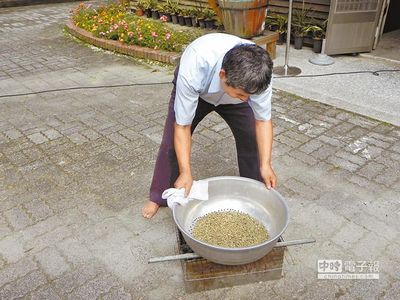
This year’s competition will feature roasters using antique equipment including iron pans, washbasins, and charcoal stoves—some dating back to Taiwan’s Japanese colonial period—to recreate historic roasting methods by hand.
A Festival Rooted in Coffee Heritage
Taiwan’s Coffee Festival kicks off on November 1, and this year’s organizers are taking a more personal, story-driven approach. Liu Chuanchih, head of the county’s cultural affairs bureau, says the event will use visual storytelling to trace the history of Taiwanese coffee through the people who’ve grown and roasted it.
“We’re following the journey of individuals to show how coffee arrived and evolved here,” Liu said. The 12th edition of the festival, hosted in Gukeng Township, has become a major event for coffee fans.
The Legacy of a Coffee Family
Central to the festival’s imagery is 68-year-old Liu Hanchao, whose calloused hands cradle bright red coffee cherries. His family has been growing and processing coffee for three generations. “My father planted coffee during the Japanese era,” Liu recalls. Now, his son Liu Yiteng runs popular deep-dive coffee tours in the region.
Liu Hanchao’s hands are featured prominently in the festival’s promotional material, symbolizing the human element behind every cup. The family’s longstanding involvement underscores how deeply coffee is woven into Taiwan’s agricultural history.
Old-School Roasting Takes Center Stage
The festival’s marquee event—the coffee roasting competition—has undergone a major shift this year. According to Li Qiyi, chair of the Huashan Leisure Industry Promotion Association, contestants must bring their own roasting equipment. The result? A treasure trove of vintage tools.
“We believe many participants will dig out long-forgotten gear,” Li said. Some have already signaled their intent to use traditional methods, including open-fire roasting in iron pans and washbasins over charcoal stoves—a nod to the Japanese colonial period.
Liu Hanchao recalled how his family roasted coffee by hand when he was a child. “We used a big iron pan. Getting the timing and heat right—that was real skill,” he said. That level of control and craftsmanship is difficult to replicate with modern machines.
Frequently Asked Questions
What makes this year’s Taiwan Coffee Festival different?
This year’s festival introduces a major change to its coffee roasting competition: contestants must bring their own roasting equipment instead of using provided machines. This has led to a revival of vintage tools like iron pans, washbasins, and charcoal stoves, some dating back to the Japanese colonial era in Taiwan.
What traditional roasting methods are being revived?
Some participants plan to use traditional hand-roasting techniques over charcoal fires, employing old iron pans and even washbasins. These methods require precise control of heat and timing, and were common during the Japanese colonial period in Taiwan.
Who is Liu Hanchao and why is he featured in the festival?
Liu Hanchao is a 68-year-old third-generation coffee farmer whose family has grown coffee since the Japanese era. His hands, calloused from decades of work, represent the human side of coffee production and are featured in the festival’s promotional imagery.
How long has the Taiwan Coffee Festival been running?
The Taiwan Coffee Festival is celebrating its 12th edition in 2023, making it a well-established event that has become a key gathering for coffee enthusiasts in Taiwan.
What role does storytelling play in this year’s festival?
Organizers are emphasizing personal narratives and historical context, tracing Taiwan’s coffee journey through the experiences of individuals like Liu Hanchao. This approach highlights the cultural and generational legacy of coffee in the region.
Will modern roasting equipment be allowed in the competition?
No, this year’s competition specifically requires contestants to bring their own roasting tools, ruling out standard modern roasting machines. The goal is to showcase traditional and historical roasting methods.
Recommended FrontStreet Beans for Traditional Roasting
For fans of traditional coffee methods, try FrontStreet Coffee’s Ethiopia Humbera for its vibrant floral and citrus notes, or the Kenya Little Tomato with its bold winey acidity and berry profile. Both single origins highlight the bean’s intrinsic qualities—much like traditional roasting aims to do. Freshly roasted within 5 days · Orders placed before 17:00 ship the same day · Next-day delivery across most of Guangdong Province.
FrontStreet Coffee is a long-established specialty coffee roaster in Guangzhou China, selling freshly roasted beans from its own farm in Yunnan as well as dozens of carefully selected single-origin beans from around the world for both pour-over and espresso. The products deliver consistently excellent quality and great value, with shipping within 24 hours. Guangzhou's FrontStreet Coffee shop is recommended by many coffee lovers, and the beans are now available online at the Tmall 。
Important Notice :
前街咖啡 FrontStreet Coffee has moved to new addredd:
FrontStreet Coffee Address: 315,Donghua East Road,GuangZhou
Tel:020 38364473

